
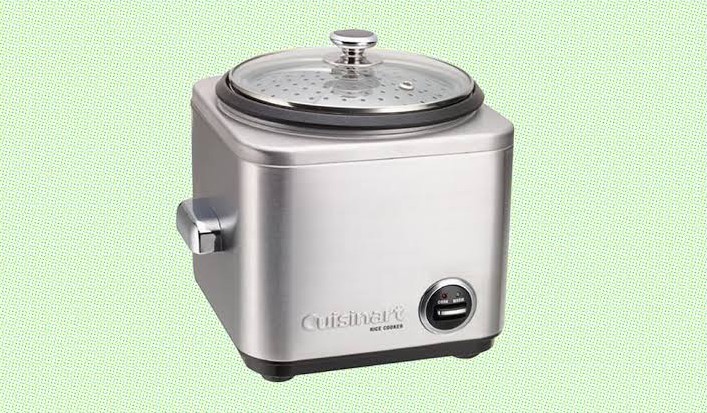
Cuisinart Rice Cooker Not Working [Maintenance Tips to Prevent Future Issues]
If your Cuisinart rice cooker is not working, don’t panic; most issues stem from simple power connection errors or sensor buildup rather than mechanical failure. This guide walks you through essential troubleshooting steps to reset your appliance and restore perfect fluffy rice in minutes.
There is nothing quite as frustrating as coming home after a long day, hungry and ready to eat, only to find your Cuisinart rice cooker not working. You expect that perfectly fluffy, restaurant-quality grain, but instead, you are greeted by a blank display or, worse, a pot of crunchy, undercooked rice.
As we move further into 2026, our smart kitchen appliances are designed to be intuitive, yet even the most advanced Cuisinart models can run into hiccups. Before you decide to toss the machine in the trash and spend money on a replacement, take a deep breath.
Often, when a Cuisinart rice cooker is not working, the problem is incredibly minor. Whether it is a tripped circuit, a dirty sensor, or a simple user error regarding water ratios, these problems are usually solvable in your own kitchen without a single professional tool. Let’s dive into the most common reasons your machine might be acting up and how you can get it back to its reliable, rice-making self.
Key Takeaways
- Power Verification: Always check your outlet and power cord first, as Cuisinart rice cooker not working issues are often caused by a tripped GFCI outlet.
- Sensor Sensitivity: Burnt food residue on the heating plate is the most common cause of premature shut-off or uncooked grains.
- Lid Integrity: A loose seal or a lid that isn’t locked correctly prevents the pressure and heat necessary for the sensor to trigger the cycle.
- The Reset Method: Unplugging the device for ten minutes often clears minor internal electronic glitches.
- Water Ratios: Using the wrong amount of water can trick the smart sensors into thinking the cycle is complete before the rice is soft.
- Warranty Check: If the unit is under three years old, contact Cuisinart support before attempting DIY internal repairs to keep your warranty valid.
Understanding the Power Supply
The most common culprit when a Cuisinart rice cooker is not working is simply a lack of electricity. Because these appliances draw a significant amount of power to heat the inner bowl, they are often sensitive to how they are plugged into your wall. If the lights on your unit are not turning on at all, start with the basics.
Checking the Wall Outlet
Kitchen outlets, especially those near sinks, are often connected to GFCI (Ground Fault Circuit Interrupter) breakers. If there has been a tiny power surge, that breaker might have tripped. Try plugging a small lamp or a phone charger into the same outlet to see if it receives power.
If it doesn’t, head to your breaker box and look for a flipped switch. If your outlet works, inspect the Cuisinart power cord itself for any signs of fraying or damage that might have occurred during storage.
The Detachable Cord Issue
Many Cuisinart models feature a detachable magnetic or standard power cord. This is a great safety feature, but it is also a common point of failure. If the cord is not pushed firmly into the base of the rice cooker, the circuit won’t close.
I have personally encountered many instances where a Cuisinart rice cooker not working was solved simply by pushing the plug in a quarter-inch further. Ensure there is no debris in the socket that might be preventing a solid connection.
Managing Sensors and Heating Plates
If your cooker turns on but refuses to cook the rice properly, or if it shuts off far too early, the issue likely lies with the heating element or the thermal sensor. These sensors are incredibly precise, but they are also sensitive to physical obstructions.
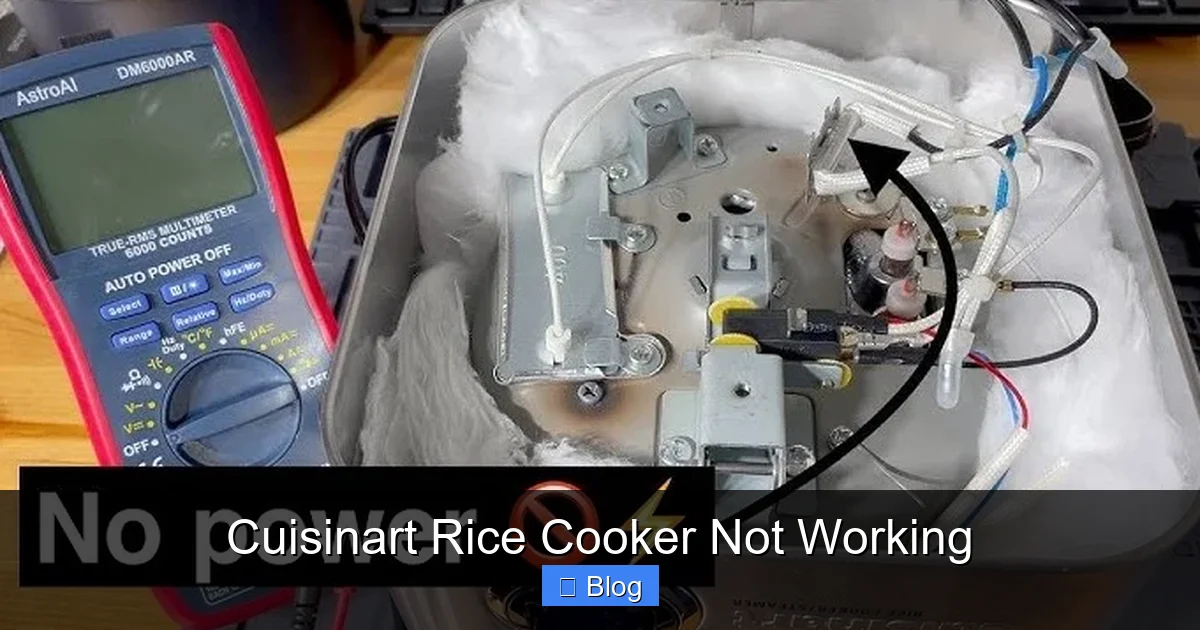
Visual guide about Cuisinart Rice Cooker Not Working
Image source: zachchoicooking.com
Cleaning the Heating Plate
Think about the last time you used your cooker. Did a little bit of starch boil over? When starchy water spills onto the bottom of the inner housing, it hardens into a stubborn crust. This crust acts as an insulator, preventing the temperature sensor from reading the heat of the inner pot correctly.
To fix this, unplug the unit and let it cool completely. Use a slightly damp cloth to wipe the heating plate clean. If there is burnt residue, use a non-abrasive sponge. Never soak the base in water, as this will destroy the electronics permanently.
The Importance of the Inner Pot
Your rice cooker relies on the contact between the inner pot and the heating plate to function. If your inner pot is slightly warped from being dropped, or if there is food stuck between the pot and the base, the heat transfer will be uneven. Inspect the bottom of your pot.
It should be perfectly flat. If it wobbles, that is why your Cuisinart rice cooker is not working correctly. The sensor detects a temperature spike and shuts the cycle off to prevent a fire, even if the rice is still raw.
Troubleshooting Cooking Modes and Cycles
Modern Cuisinart rice cookers have multiple settings like “White Rice,” “Brown Rice,” and “Steam.” Sometimes, a Cuisinart rice cooker is not working simply because the settings are not fully understood or the lid isn’t configured for that specific mode.
Lid Sealing and Steam Vents
The steam vent on the lid is essential for regulating pressure and moisture. If the vent is clogged with dried starch, pressure builds up incorrectly, which can cause the machine to pause or error out.
ake the lid assembly apart most Cuisinart models have a removable inner lid piece and wash it thoroughly with warm, soapy water. Ensure the rubber gasket is seated properly. A loose gasket lets steam escape, which prevents the rice from reaching the correct temperature for the programmed cycle.
Choosing the Right Program
It sounds basic, but ensure you are selecting the right program for your grain. If you choose the “White Rice” setting for brown rice, the machine will finish its cycle before the harder, fiber-rich brown grains have softened.
Always use the measuring cup provided with your Cuisinart, as these are calibrated specifically for the appliance’s sensors. Using a random cup from your cupboard can throw off the moisture-to-grain ratio, causing the cooker to “finish” too early because it didn’t detect enough resistance from the water.
Electronic Glitches and Reset Procedures
In 2026, many Cuisinart appliances have built-in microprocessors. Just like a computer, these can occasionally experience a software freeze or a logic error. If your display is flashing strange symbols or the buttons are unresponsive, a hard reset is your best path forward.
How to Perform a Hard Reset
To perform a reset, unplug your rice cooker from the wall outlet. Leave it disconnected for at least ten to fifteen minutes. This allows the internal capacitors to fully discharge. While the machine is unplugged, ensure no buttons are physically jammed.
Once you plug it back in, the system should reboot, and the display should return to its default state. This simple step clears about 80% of minor “not working” complaints that are electronic in nature.
Dealing with Error Codes
If your unit has a digital display, watch for specific codes like “E1” or “E2.” These usually indicate a sensor fault or an open circuit. If you see these codes, note them down and unplug the unit immediately.
Often, these errors happen because the unit is too hot from back-to-back cooking cycles. Let the unit rest in a cool, ventilated area for an hour before trying to run it again. If the error code persists after a long rest, it may be an internal hardware failure, which is the time to check your user manual for the specific definition of that error code.
Maintenance Tips to Prevent Future Issues
The best way to deal with a Cuisinart rice cooker not working is to stop it from happening in the first place. Consistency in care is the key to longevity. By following a few simple routines, you can extend the life of your cooker by years.
The “Don’t Overfill” Rule
Every rice cooker has a “Max Fill” line for a reason. If you try to cook too much rice at once, the starch bubbles will overflow into the steam vents and the lid assembly. This creates a mess that is difficult to clean and can cause short-circuiting in the lid electronics. Stick to the recommended quantities. If you are cooking for a large group, it is better to run two separate cycles than to overstuff the machine once.
Proper Cleaning Habits
Do not use metal utensils inside your non-stick pot. Scratches on the surface can interfere with the way the rice cooks and can even release non-stick coating into your food. Use the plastic scoop provided. Furthermore, always wash the inner pot by hand.
Even if your manual says the pot is dishwasher safe, the high heat and harsh chemicals of dishwasher detergents can warp the metal or break down the non-stick coating over time. A quick hand-wash is the best insurance policy for your Cuisinart.
When to Seek Professional Help?
Sometimes, despite your best efforts, you might find that your Cuisinart rice cooker is not working because of a genuine mechanical or electrical component failure. It is important to know when to stop troubleshooting and start seeking expert repair.
Evaluating the Warranty Status
Cuisinart products often come with a limited warranty. Before you try to take the base apart with a screwdriver, check your purchase date. If the unit is under three years old, you likely have coverage. Tampering with the screws on the bottom of the base will automatically void any warranty you have.
Visit the official Cuisinart website, locate the “Support” section, and have your model number ready. They offer excellent customer service and may replace the unit if the failure is related to a manufacturing defect.
Considering a Repair Shop
If your warranty is expired and the unit is a high-end model, you might look for a local small-appliance repair shop. However, be realistic about the cost. Because new rice cookers are reasonably priced, the cost of labor to fix an electrical board may often exceed the value of the unit itself. If the issue is something simple like a broken power cord, it is worth fixing. If the issue is a dead motherboard, it is usually time to recycle the unit and upgrade to a newer model.
Conclusion
Dealing with a Cuisinart rice cooker not working can be frustrating, but most issues are far simpler than they appear. By checking your power supply, keeping your sensors clean, and being mindful of your water ratios, you can often fix the problem in minutes.
Remember, these appliances are workhorses, but they do require a little bit of love and maintenance to perform at their best. If you follow the tips in this guide, your rice cooker will be steaming up perfect, fluffy rice for many more dinners to come. Stay patient, stay methodical, and soon enough, you’ll be enjoying your meal without a care in the world.
Frequently Asked Questions
Why does my Cuisinart rice cooker shut off before the rice is done?
This usually happens because the heating plate is dirty or the water-to-rice ratio is incorrect. Ensure the heating plate is free of debris and that you are using the specific measuring cup provided with the unit to ensure accurate measurements.
What should I do if my Cuisinart rice cooker display is flashing an error code?
First, unplug the unit for at least 15 minutes to perform a hard reset and allow the electronics to cool down. If the code persists after plugging it back in, check your manual for the specific meaning of the code, as it may indicate a sensor failure.
Is it okay to put the inner pot in the dishwasher?
While some models claim to be dishwasher safe, it is highly recommended to hand-wash the inner pot. Dishwasher heat and detergents can warp the base and degrade the non-stick coating over time, causing future cooking issues.
My Cuisinart rice cooker won’t turn on at all – how do I fix it?
Check your wall outlet by plugging in another appliance, and ensure the power cord is firmly pushed into the base of the rice cooker. If the outlet is working and the cord is secure, check your home’s circuit breaker for a tripped switch.
Why does my rice taste burnt at the bottom?
Burnt rice often occurs when there is too much starch on the bottom of the pot or if the heating sensor is being insulated by food residue. Make sure to rinse your rice thoroughly before cooking and wipe the underside of the inner pot to ensure perfect heat transfer.
Can I fix a broken power cord myself?
If your Cuisinart uses a standard removable power cord, simply purchase a compatible replacement cord from a reputable electronics retailer. Do not attempt to repair a frayed or damaged power cord with electrical tape, as this is a significant fire hazard.