

Bosch Coffee Maker Not Working [The Most Common Reasons]
If you are frustrated because your Bosch coffee maker is not working, you are not alone. Most issues with these premium machines stem from simple scale buildup or minor sensor errors that you can easily resolve at home. Follow this guide to get your morning brew back on track without needing a professional repair.
There is nothing quite like the smell of a fresh cup of coffee first thing in the morning. For many of us, our Bosch coffee machine is the unsung hero of our daily routine. It works quietly and efficiently, turning beans into liquid gold. However, it can be incredibly jarring when you walk into the kitchen, press the button, and realize your Bosch coffee maker is not working. Whether it is a blank screen, a strange noise, or just a lack of coffee, it is easy to feel stuck.
The good news is that most of the time, these machines are built to be robust. When a Bosch coffee maker is not working, it is usually a cry for help regarding maintenance rather than a sign of a terminal breakdown. In this 2026 update, we are going to walk through the most common reasons your machine might be acting up and, more importantly, how you can fix it right at your kitchen counter.
Key Takeaways
- Routine Descaling: Most Bosch coffee maker not working symptoms are caused by mineral buildup inside the internal pipes.
- Check the Sensors: Ensure the water tank, drip tray, and brewing unit are properly seated, as safety sensors often cut power if they are misaligned.
- The Power Reset: A simple “hard reboot” by unplugging the machine for ten minutes can clear electronic glitches.
- Water Quality Matters: Using filtered water significantly reduces the frequency of mechanical failures and sensor errors.
- Routine Cleaning: Regularly cleaning the brewing unit prevents mold and clogs that stop your coffee from flowing.
- When to Call Pros: If you smell burning or see water leaking from the internal base, stop usage immediately and contact support.
Troubleshooting Power and Display Issues
If you find that your Bosch coffee maker is not working and the display is completely blank, your first instinct might be to assume the motherboard has fried. While that is possible, it is rarely the case. Let us look at the simple culprits first.
The Power Supply Check
Start with the basics. It sounds silly, but check if the power cord is pushed firmly into the wall outlet. If your machine is plugged into a power strip or a GFCI outlet, check if that outlet has tripped. Try plugging a different small appliance, like a toaster, into the same outlet to confirm there is electricity flowing. If the outlet works, check the power cord of your Bosch machine for any fraying or damage.
The Hard Reset Method
Computers power our modern appliances, and like any computer, they can sometimes freeze. If your Bosch coffee maker is not working because the display is frozen or unresponsive, try a hard reset. Unplug the unit completely from the wall.
Leave it unplugged for at least ten to fifteen minutes. This allows the internal capacitors to discharge fully. Once you plug it back in, the system will initiate a fresh boot sequence, which often clears minor software errors.
Addressing Water Flow and Brewing Problems
Perhaps the machine turns on, but the coffee simply won’t come out. When a Bosch coffee maker is not working in this specific way, the issue is almost always a blockage or a sensor malfunction.

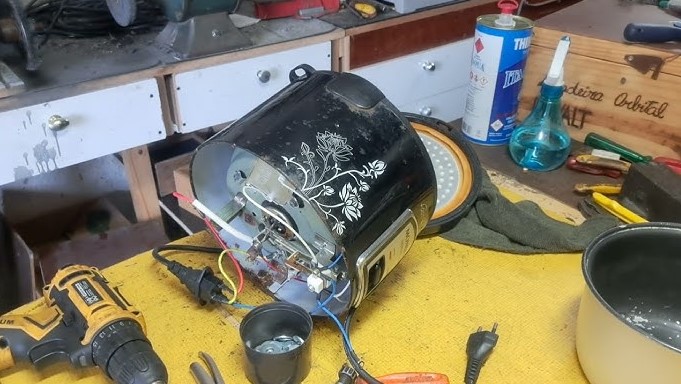
Visual guide about Bosch Coffee Maker Not Working
Image source: i.ytimg.com
The Infusion Unit Clog
The brewing unit is the heart of your machine. If it has not been cleaned in a while, coffee oils and grounds can build up, creating a “sludge” that blocks the water path. To fix this, remove the brewing unit. Most models allow you to pull this out through the side panel.
Rinse it under warm running water. If you see old, dark residue, use a soft brush to gently scrub it away. Never use harsh soaps; clear water is best. Allow it to air dry completely before sliding it back into the machine.
Air Locks in the System
Sometimes, if the water tank runs completely dry, air can get trapped in the internal pipes. This prevents the pump from pulling water. To resolve this, ensure the water tank is full, then gently nudge the tank into its seated position to ensure it is making a firm connection with the intake valve. You can also try running the hot water cycle alone to “prime” the pump and push the air bubble out.
Understanding Error Messages and Sensors
Bosch machines are smart. They use sensors to protect the machine from damage. If your Bosch coffee maker is not working, it might be displaying an error code. These codes are not meant to confuse you; they are meant to guide you to the specific part that needs attention.
The Drip Tray and Tank Sensors
If the display shows an icon indicating a missing tray or tank, even when they are inserted, the internal micro-switches might be blocked. Over time, coffee spills can seep into these switch areas, causing them to stick.
Take a damp cloth and wipe down the area where the drip tray slides in. Look for any debris that might be preventing the contact sensors from touching. If the switch is physically stuck, a gentle wiggle or a clean with a q-tip can often free it up.
Scale Buildup Errors
Scale is the number one enemy of coffee machines. In 2026, many of us live in areas with “hard” water. Even if your water tastes fine, it contains minerals that harden inside the narrow pipes of your Bosch machine.
If your Bosch coffee maker is not working despite your best efforts, it is likely time for a professional-grade descaling. Use only a Bosch-approved descaling agent. Vinegar is often too harsh for the sensitive seals inside modern machines and can cause more harm than good.
Maintenance Tips to Prevent Future Failures
Prevention is always better than a cure. By adopting a few simple habits, you can stop your Bosch coffee maker from not working in the future. Consistency is the secret to a machine that lasts for years.
Consistent Cleaning Schedules
Make it a habit to empty and rinse the drip tray and grounds container every single day. Even if they are not full, sitting coffee grounds are a breeding ground for mold. Also, perform a “rinse cycle” at the end of every day. This simple flush of hot water keeps the spouts clear and prevents coffee oils from hardening inside the tubes.
Using the Right Water
If you want to reduce the frequency of descaling, use filtered water. A simple pitcher filter or an inline refrigerator filter can remove the calcium and magnesium that cause scale. When you use soft, filtered water, your coffee will taste better, and your machine will require much less maintenance over time.
The Importance of Component Replacement
Sometimes, a part simply wears out. This is not a sign of a bad machine; it is just a reality of mechanical devices that handle hot water and high pressure daily. If your Bosch coffee maker is not working, check the O-rings on the brewing unit. These small rubber rings create the pressure seal needed for brewing. If they are cracked or brittle, pressure will escape, and your coffee will be weak or the machine will stop mid-cycle.
Ordering Genuine Parts
When you do need to replace a part, always choose genuine Bosch replacements. Generic parts might look similar, but they often lack the heat resistance or exact sizing required for the machine to operate safely. Using a genuine part is the best way to ensure your machine stays in top shape.
When to Seek Professional Repair
There are times when the “Do It Yourself” approach reaches its limit. If you have tried the reset, cleaned the unit, descaled the machine, and ensured the sensors are clear, but your Bosch coffee maker is not working, it may be time for a professional.
Signs of Serious Issues
If you notice smoke, smell burning rubber, or see water pooling underneath the center of the unit, stop using it immediately. These are signs of internal electrical or pump failures that should be handled by a qualified technician. Attempting to open the base of a high-voltage appliance is dangerous.
Contact Bosch customer service or a certified local repair shop. They have the diagnostic tools to read the deep-system logs that aren’t visible on the front display. In conclusion, a Bosch coffee maker is a high-performance machine that requires a little bit of care to keep performing at its peak.
When you find your Bosch coffee maker is not working, don’t let it ruin your day. By systematically checking your power, sensors, and cleanliness, you can solve the vast majority of problems on your own. Keep your machine descaled, keep the sensors clean, and treat the brewing unit with care, and you will be back to enjoying perfect espresso in no time at all.
Frequently Asked Questions
Why is my Bosch coffee maker displaying a generic error message?
Generic error messages usually indicate a sensor blockage or a need for a descaling cycle. Try turning the machine off, cleaning the drip tray and water tank area, and then perform a deep cleaning or descaling process to see if the message clears.
How often should I descale my Bosch machine?
You should descale your machine every two to three months, depending on your water hardness and daily usage. If your machine has a “calcification” indicator, never ignore it, as it is based on the actual water throughput of your specific unit.
Can I use vinegar to descale my Bosch coffee maker?
It is not recommended to use vinegar, as it is highly acidic and can damage the rubber gaskets and internal seals of a Bosch machine. Always use a manufacturer-approved descaling liquid to protect the longevity of your investment.
What should I do if the coffee comes out too slowly?
A slow flow usually indicates a clog in the brewing unit or the coffee spout. Remove the brewing unit and rinse it thoroughly, and use a toothpick or small brush to clear any dried coffee grounds from the output nozzles.
Why does my coffee taste burnt or strange?
This is often caused by old coffee oil buildup in the brewing unit or spouts. A deep cleaning of the removable brewing component and running a hot water rinse cycle will usually restore the fresh taste of your coffee.
Is it safe to leave the Bosch machine plugged in all the time?
Yes, these machines are designed to be left in standby mode. However, if you are going away for more than a few days, it is good practice to unplug the unit to save energy and protect it from power surges.



One Comment