Rice Cooker Keep Warm Not Working [Common Causes for Failure]
When your rice cooker keep warm feature stops working, it is often due to a faulty thermal sensor, a damaged heating element, or a simple issue with the inner pot contact. This guide walks you through troubleshooting steps to identify the culprit and determine if your device can be saved or needs a replacement in 2026.
There is nothing quite as disappointing as coming back to your kitchen expecting a warm bowl of fluffy rice, only to find the contents cold or crusty. In 2026, we rely on our smart kitchen gadgets more than ever, and when a rice cooker keep warm not working, it can throw a wrench in your entire meal planning routine. You might be wondering why such a reliable workhorse of a machine would suddenly stop holding that perfect, serving-ready temperature.
The good news is that in most cases, this issue is fixable. Whether you are dealing with a simple cleaning issue or a more complex component failure, understanding how your machine functions will help you save money and reduce electronic waste. Let us dive into the mechanics of your rice cooker and explore why that keep warm function is taking a day off.
Key Takeaways
- The Thermal Sensor: This is the most common part to fail; if it cannot detect the temperature, the keep warm cycle will not trigger.
- Cleanliness Matters: Food debris or water at the base of the unit can interfere with the heat sensors and prevent the keep warm mode from activating.
- Pot Positioning: A dented or warped inner pot creates gaps that prevent the sensor from reading the correct temperature.
- Electrical Integrity: Always check the power cord and wall outlet before assuming the internal heating components have failed.
- Safety First: Never attempt to repair internal electrical wiring while the device is plugged in, and avoid submerging the base in water.
- When to Replace: If the heating element itself is burnt out, it is often more cost-effective and safer to purchase a new unit than to attempt a professional repair.
Understanding the Mechanics of Keep Warm
To fix the problem, you first need to understand how the system works. Most rice cookers operate on a simple thermostat-based logic. Once the water in your pot evaporates, the temperature inside the inner chamber begins to rise rapidly above the boiling point of 212 degrees Fahrenheit (100 degrees Celsius). This spike in temperature is the trigger that tells the machine to switch from the high-heat “cook” mode to the low-heat “keep warm” mode.
The Role of the Thermal Sensor
At the center of your heating plate, you will usually see a spring-loaded button or a small metallic sensor. This sensor is the “brain” of the operation. It monitors the temperature of the bottom of the pot. When your rice cooker keep warm not working, this sensor is often the primary suspect. If it is stuck, dirty, or misaligned, the machine cannot accurately determine when to stop cooking and start warming.
The Heating Element and Thermostat
Once the machine switches modes, a secondary, smaller heating element takes over. This element is designed to keep the temperature just high enough to prevent bacteria growth and keep the rice palatable, but low enough that the rice does not continue to “cook” and burn. If this secondary element is burnt out, your rice will simply lose heat after the cooking cycle finishes.
Common Causes for Failure
Before you toss your appliance in the bin, consider these common culprits. Many people assume the worst when their rice cooker keep warm not working, but often the solution is quite simple. Start with the easiest checks before moving on to hardware investigations.
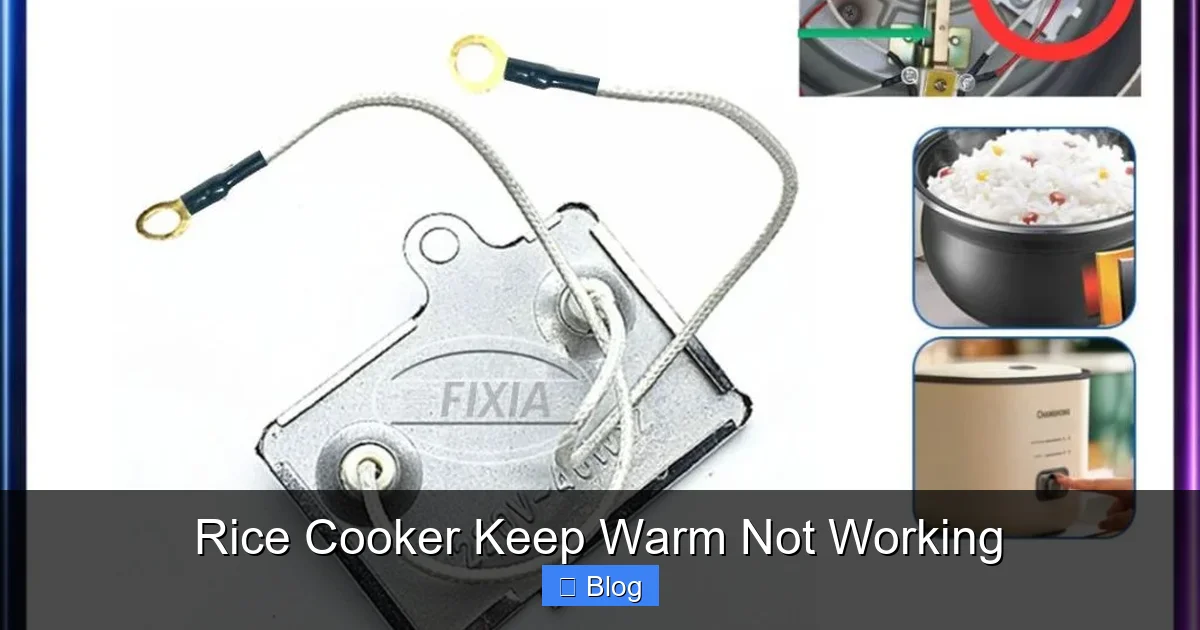
Visual guide about Rice Cooker Keep Warm Not Working
Image source: down-my.img.susercontent.com
Dirty Sensors or Heating Plates
Food particles, sugar from seasoned rice, or dried starch can build up between the inner pot and the heating plate. This layer acts as an insulator. Because the sensor cannot make direct contact with the bottom of the pot, it receives an incorrect temperature reading. A quick wipe down with a damp cloth—ensuring the unit is unplugged first—can often restore functionality immediately.
Inner Pot Deformities
Did you accidentally drop your inner pot? Even a tiny dent can be disastrous. The pot must sit perfectly flat against the heating plate. If there is a wobble or a gap, heat transfer is compromised. If your pot has seen better days, check for warping. Sometimes, a replacement pot is all you need to get the system running smoothly again.
Troubleshooting Your Appliance
Now that we know the basics, it is time to get hands-on. If you notice your rice cooker keep warm not working, follow these logical steps to diagnose the problem. Always remember to unplug the unit before poking around the internal base.
Checking the Electrical Connection
It sounds basic, but always verify the power cord. If the cord is loose or damaged, the unit might receive just enough power to cook rice but struggle to maintain the consistent low voltage required for the warming mode. Check the plug, the outlet, and the connection point at the back of the cooker for any signs of melting or exposed wire.
Testing the Internal Thermostat
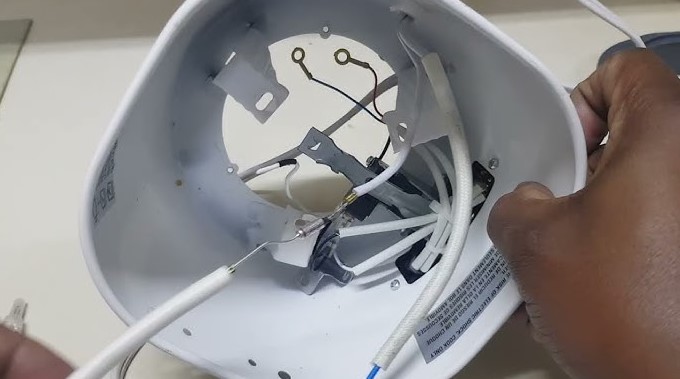
For the more adventurous, removing the bottom casing of the cooker can reveal the wiring. Look for loose connections or signs of a blown thermal fuse. In 2026, many repair-friendly models have color-coded wires that are easy to inspect. If you see a blackened or charred wire, you have found the point of failure. However, if you are not comfortable with electronics, it is best to take the unit to a local repair shop.
Preventative Maintenance Tips
The best way to deal with a rice cooker keep warm not working is to prevent the issue from happening in the first place. By adopting a few simple habits, you can extend the life of your kitchen companion by years.
Proper Cleaning Habits
Always dry the bottom of your inner pot thoroughly before placing it back into the base. Even a few drops of water can cause steam or corrosion on the internal sensors. Never use abrasive metal scrubbers on the heating plate, as these can scratch the protective coating and cause the sensor to malfunction later on.
Using the Right Amount of Water
Overfilling your rice cooker is a common mistake. If water boils over the sides of the inner pot, it can seep into the base and drip onto the electronic components. This moisture can cause internal shorts or rust, which might disable the warm function while leaving the cook function barely hanging on.
Repair vs. Replacement: Making the Decision
When you have exhausted all troubleshooting steps and your rice cooker keep warm not working, you have to decide: fix it or buy a new one? This is a choice based on both economics and safety.
Evaluating Repair Costs
If your cooker is a high-end induction model, professional repair is usually worth it. If you are using a budget-friendly basic model, the cost of labor and parts might exceed the price of a brand-new unit. Consider the age of your device. If it is more than five years old, it might be time for an upgrade to a more energy-efficient model from the 2026 market.
Safety Considerations
Electrical appliances are fire risks if repaired improperly. Never bypass a thermal fuse or use non-standard parts. If the internal motherboard is fried, it is rarely worth the risk to perform a DIY repair. When in doubt, recycle the unit through an e-waste program and purchase a new one.
Modern Alternatives and Upgrades
If you find that your old machine is simply not up to the task anymore, the world of rice cooking has evolved. Modern 2026 cookers come with improved sensors, better insulation, and even app-based alerts to let you know if the warming cycle has ended. Sometimes, upgrading is the ultimate solution to the frustration of equipment failure.
Look for models with ceramic-coated pots, as these are easier to clean and less likely to warp over time. Many newer models also feature “auto-off” or “extended warm” modes that manage heat more effectively than older manual models, ensuring your rice stays fluffy without drying out.
In conclusion, while the frustration of a rice cooker keep warm not working is very real, it is rarely the end of the road. By keeping your sensors clean, checking for pot damage, and performing routine maintenance, you can ensure that your meals stay warm and delicious. If the internal components do fail, use your judgment to weigh the costs and prioritize your safety above all else.
Frequently Asked Questions
Why does my rice turn yellow or dry when the keep warm mode is on?
This usually happens because the heating element is running too hot, indicating a faulty temperature sensor that cannot regulate the heat. Alternatively, you may have left the rice in the cooker for too long, which naturally causes the moisture to evaporate even with the lid closed.
Can I use a rice cooker if the keep warm function is broken?
Yes, you can still use the appliance to cook rice, but you must remove the rice immediately after the cycle finishes. Leaving it in the base while the heating element struggles will risk burning the bottom of the rice or creating a food safety hazard.
How often should I clean the bottom sensor of my rice cooker?
You should wipe the sensor area and the heating plate every time you clean the inner pot. Keeping this area free of debris and starch buildup ensures the thermal switch can make proper contact with the pot.
Is it safe to repair the internal heating element myself?
Generally, no. Unless you have experience with appliance repair and electrical safety, working on internal heating elements can lead to short circuits or fire hazards. It is safer to seek professional help or replace the unit.
Why does my rice cooker click but not switch to keep warm?
This indicates that the mechanical or digital thermostat is not detecting the temperature change properly. It is often caused by a dirty sensor surface or an inner pot that is not making full contact with the base of the machine.
How long should a rice cooker last before the keep warm function fails?
A high-quality rice cooker should last 5 to 10 years with proper care. If your keep warm feature fails within a year or two, it is likely a manufacturing defect or the result of excessive moisture getting into the internal electrical components.