Rice Cooker Automatic Shut Off Not Working [Common Reasons]
If your rice cooker automatic shut off not working, you are likely dealing with a malfunctioning thermal sensor or a buildup of debris. This guide helps you identify common causes and provides safe, step-by-step solutions to get your kitchen appliance back in perfect working order.
There is nothing quite as frustrating as walking into the kitchen, expecting the smell of perfectly fluffy rice, only to be met with the acrid scent of burnt grains stuck to the bottom of the pot. If you have noticed that your rice cooker automatic shut off not working, you are definitely not alone. It is one of the most common issues home cooks face in 2026, especially as appliances age or face heavy daily use.
A rice cooker is a deceptively simple piece of technology. It relies on a specific physical reaction to know exactly when your meal is done. When that process breaks down, the machine stops acting like a smart helper and starts acting like a fire hazard. In this article, we are going to walk through exactly why your device is staying on too long and what you can do to fix it before you have to order takeout again.
Key Takeaways
- Thermal Sensor Failure: The most common reason a rice cooker automatic shut off not working is a faulty thermostat or thermal fuse that no longer detects temperature changes.
- Debris Interference: Food particles, starch buildup, or moisture trapped under the heating plate can trick the internal sensors into staying active.
- Overloading the Pot: Using too much liquid or improper rice-to-water ratios can overwhelm the heat-sensing mechanism.
- The “Keep Warm” Trap: Sometimes the device is working, but a stuck switch keeps it in “Cook” mode instead of “Warm” mode.
- Safety First: Always unplug your device before inspecting components, and never attempt to bypass built-in electrical safety fuses yourself.
Understanding How the Shut-Off Mechanism Functions
To understand why your rice cooker automatic shut off not working, you first have to understand how it knows to stop. Most standard rice cookers don’t actually use a timer. Instead, they use a clever bit of physics involving a temperature-sensitive spring or a thermal magnet.
The Boiling Point Science
Inside the base of your cooker, there is a metal plate that gets very hot. When you add water and rice, the temperature stays at 100 degrees Celsius (212 degrees Fahrenheit) as long as there is liquid present. The device knows to keep cooking while that moisture is there. Once the water is fully absorbed into the rice or evaporated, the temperature inside the pot begins to rise rapidly.
The Magnetic Trigger
Once that temperature crosses the boiling point threshold, a thermal sensor or a “Curie point” magnet triggers a physical switch. This switch flips the lever from “Cook” to “Warm.” If your rice cooker automatic shut off not working, it usually means that the sensor is either not feeling that temperature spike or the switch itself is physically stuck in the “on” position.
Common Reasons for Shut-Off Failures
Now that you know how it works, let’s look at why it stops working. Often, the problem isn’t a broken component but rather a maintenance issue that is easy to solve with a few minutes of cleaning.
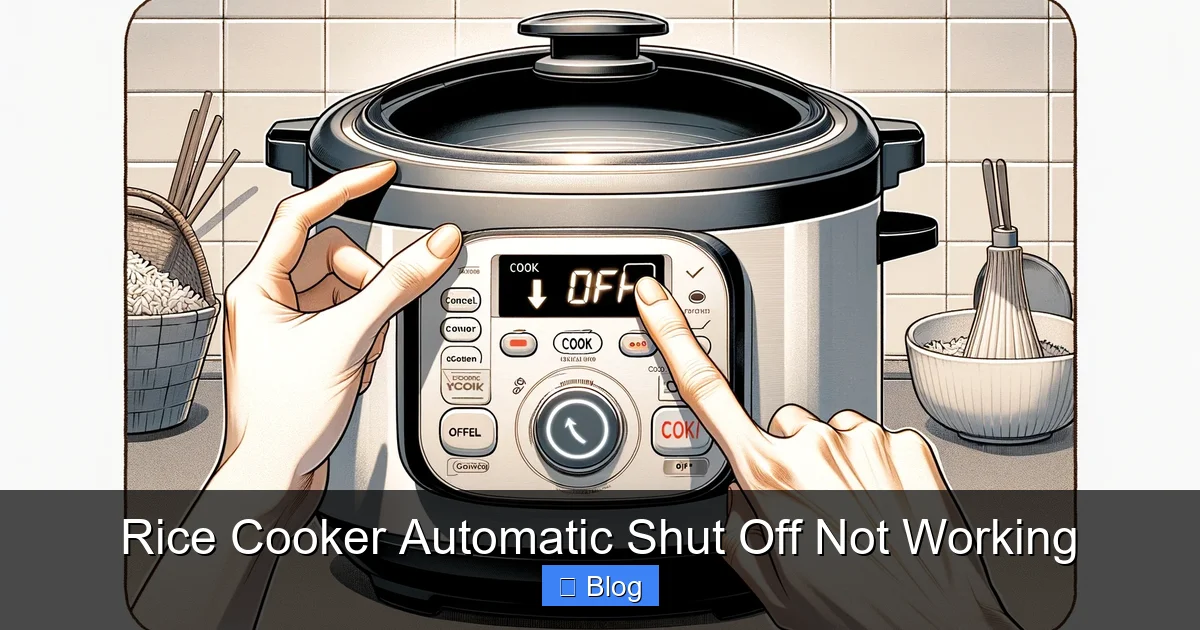
Visual guide about Rice Cooker Automatic Shut Off Not Working
Image source: expertreviewsbestricecooker.com
Starch and Food Debris Buildup
Rice is extremely starchy. Every time you cook, tiny bits of starch and water can bubble over or drip onto the base of the unit. If you don’t clean the interior of the housing regularly, this starch hardens into a thick, crusty layer. This layer acts as an insulator, preventing the thermal sensor from getting an accurate reading of the heat inside the inner pot.
Bent or Damaged Inner Pots
The inner pot of your rice cooker needs to sit perfectly flat against the heating element. If you have accidentally dropped your inner pot, it might have a tiny dent on the bottom. Even a small dent creates a gap between the pot and the sensor. If there is a gap, the sensor can’t feel the temperature accurately, and the cooker will keep running, leading to the dreaded “burnt bottom” scenario.
Troubleshooting Steps to Try at Home
Before you run out to buy a new machine, try these troubleshooting steps. Many people find their rice cooker automatic shut off not working because of something simple that can be resolved in under ten minutes.
The Deep Cleaning Method
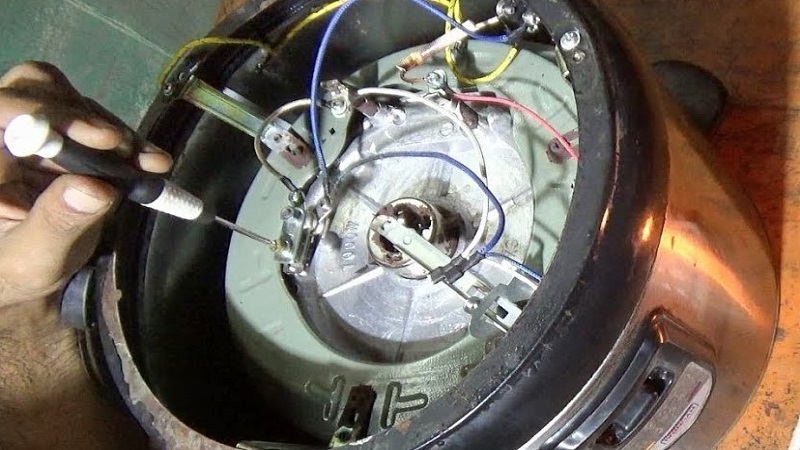
Start by unplugging the device. Flip it over carefully (ensure it is cool first) and check the heating plate. If you see white, crusty spots, that is your culprit. Use a soft, damp cloth with a tiny bit of vinegar to dissolve the starch buildup. Avoid using metal scrubbers or abrasive pads, as these can damage the sensitive surface of the heating element.
Checking the Thermal Spring
In the center of the heating plate, there is usually a small, spring-loaded sensor. Gently push down on it with your finger. It should feel springy and bounce back immediately. If it feels stuck, crunchy, or doesn’t move at all, that is why your rice cooker automatic shut off not working. Sometimes, a tiny grain of rice can get wedged underneath that spring, preventing it from functioning.
When Should You Seek Professional Repair?
Sometimes, the issue goes deeper than cleaning. If you have cleaned the unit and checked for physical obstructions, but the rice cooker automatic shut off not working persists, you might have an electrical failure.
Faulty Thermostat Sensors
Internal sensors do wear out over time. If the internal component that detects the Curie point temperature has failed, there isn’t a simple DIY fix for a regular home cook. In these cases, you might need to check if your appliance is still under warranty. Many manufacturers offer a 1-year or 2-year warranty that covers exactly these kinds of internal electrical failures.
Safety Considerations
Never try to open the base of your rice cooker unless you have experience with small appliance repair. There are capacitors and high-voltage wiring inside that can hold a charge even when the unit is unplugged. If you suspect an internal electrical failure, it is safer to recycle the unit and purchase a new one rather than risking an electrical fire or injury.
Preventing Future Shut-Off Issues
Prevention is always easier than the cure. By changing a few habits, you can extend the life of your cooker by years.
Rinsing Your Rice Thoroughly
The number one enemy of a rice cooker is excess starch. By rinsing your rice under cold water until the water runs clear, you remove the surface starch that causes the bubbling, splattering, and eventual crusting on the heating plate. This simple step keeps your sensor clean and functional.
Measuring Water Properly
If you constantly add too much water, the cooker has to work harder and longer. This creates excess moisture that can escape the pot and get into the internal electronics. Stick to the manufacturer’s suggested ratio. If you are experimenting with new types of grains, start with slightly less water than you think you need—you can always add a splash later.
Conclusion
Dealing with a rice cooker automatic shut off not working is a frustrating experience, but it is rarely a mystery. Most of the time, your appliance is simply trying to tell you that it needs a little bit of maintenance. Whether it is a bit of stuck-on starch or a slightly dented pot, these issues are usually solvable with a bit of patience and attention to detail.
Take the time to clean your unit regularly, respect the sensors at the center of the heating plate, and always ensure your pot is seated correctly.
By following these tips, you will ensure that your rice comes out perfect every single time, without the burnt crust or the anxiety of a malfunctioning machine. If the problem persists despite your best efforts, don’t hesitate to contact the manufacturer they might just surprise you with a replacement or a quick fix.
Frequently Asked Questions
Why does my rice taste burnt on the bottom?
This usually happens because the rice cooker automatic shut off not working, causing the unit to continue heating long after the water has evaporated. It could be due to food debris on the sensor or an issue with the thermostat mechanism.
Can I fix the sensor myself?
If the issue is caused by external debris or a stuck spring, you can often fix it by cleaning the heating plate gently. However, if the internal electrical sensor is broken, it is not recommended for home repair due to safety risks.
Does using too much water affect the shut-off?
Yes, excessive water can cause the machine to stay in “Cook” mode for too long, which can eventually lead to sensor fatigue or buildup of mineral deposits on the heating surface.
Is it safe to keep using a rice cooker that doesn’t shut off?
No, it is not safe. An appliance that does not shut off can overheat, leading to damaged components, ruined food, or a potential fire hazard. You should stop using it until the issue is resolved.
How often should I clean the heating plate?
You should wipe down the heating plate and the area around the sensor after every use once the device has cooled down completely. This prevents starch buildup from becoming permanent.
Does a dented pot really matter?
Absolutely, because the thermal sensor needs direct, flat contact with the bottom of the inner pot to read the temperature accurately. A dent creates an insulating air gap that prevents the sensor from triggering the shut-off.