Panasonic Rice Cooker Not Working [Common Cooking Performance Issues]
If your Panasonic rice cooker is not working, don’t panic many common issues can be fixed with a few simple steps. Whether it is a power cord connection, a sensor error, or a dirty thermal plate, our guide will help you restore your cooker to perfect performance. Follow these expert tips to save money and get back to enjoying perfectly fluffy rice every single time.
There is nothing quite as frustrating as preparing a perfect meal, only to find that your Panasonic rice cooker is not working right when you need it most. We have all been there you put in the rice, add the water, press the start button, and… silence. No lights, no heat, just a bowl of cold, wet rice sitting on your counter.
In 2026, our reliance on smart kitchen appliances has only grown, making a malfunctioning rice cooker feel like a major roadblock to a healthy dinner. The good news is that most issues are minor. Whether you are dealing with a digital model or a classic one-touch cooker, the troubleshooting steps are usually straightforward. Let’s dive into how to fix your Panasonic rice cooker and get it running like new again.
Key Takeaways
- Power Connection: Always check the detachable power cord first, as loose connections are the most common reason a Panasonic rice cooker is not working.
- Clean the Plate: A buildup of rice starch or debris on the thermal sensor plate prevents the cooker from reaching the correct temperature.
- The Inner Pot Matters: Ensure the inner pot is clean, dry, and properly seated inside the base to activate the sensors.
- Error Codes: Modern digital models show specific error codes that act as a roadmap for identifying internal hardware faults.
- Safety First: Never submerge the main base in water and always unplug the device before attempting any manual cleaning or inspection.
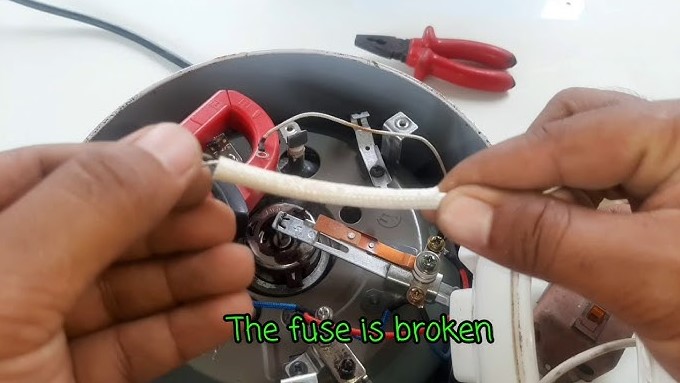
- Professional Repair: If the unit still won’t turn on after checking connections, a blown thermal fuse may require a qualified technician.
Understanding Why Your Panasonic Rice Cooker Is Not Working
Before you toss your appliance into the bin, take a breath. A Panasonic rice cooker not working does not always mean the motor is dead. Often, it is a simple matter of a safety mechanism being triggered or a poor electrical contact. Understanding the anatomy of your cooker helps you diagnose the problem faster.
The Power Connection Check
The most common reason for a Panasonic rice cooker not working is a faulty power supply. Many Panasonic models use a detachable power cord. Over time, these cords can become loose or develop internal breaks.
Check the socket where the cord meets the cooker base. If it feels wobbly, the electricity isn’t flowing correctly. Ensure the plug is pushed all the way into the wall outlet as well. If you have another compatible cord, try swapping it out to see if the original cable was the culprit.
The Importance of the Inner Pot
Did you know your rice cooker has a built-in safety sensor? If the inner pot is not seated perfectly on the heating element, the machine will refuse to activate. This prevents it from overheating while empty.
Check for any food debris stuck between the pot and the heater. Even a small grain of rice can prevent the thermal sensor from making a solid connection. Wipe both surfaces clean with a dry, soft cloth and try again.
Troubleshooting Common Cooking Performance Issues
Maybe your unit turns on, but the rice comes out raw, crunchy, or burnt. If your Panasonic rice cooker is not working effectively in terms of heat regulation, it usually points to a sensor or maintenance issue rather than a total breakdown.
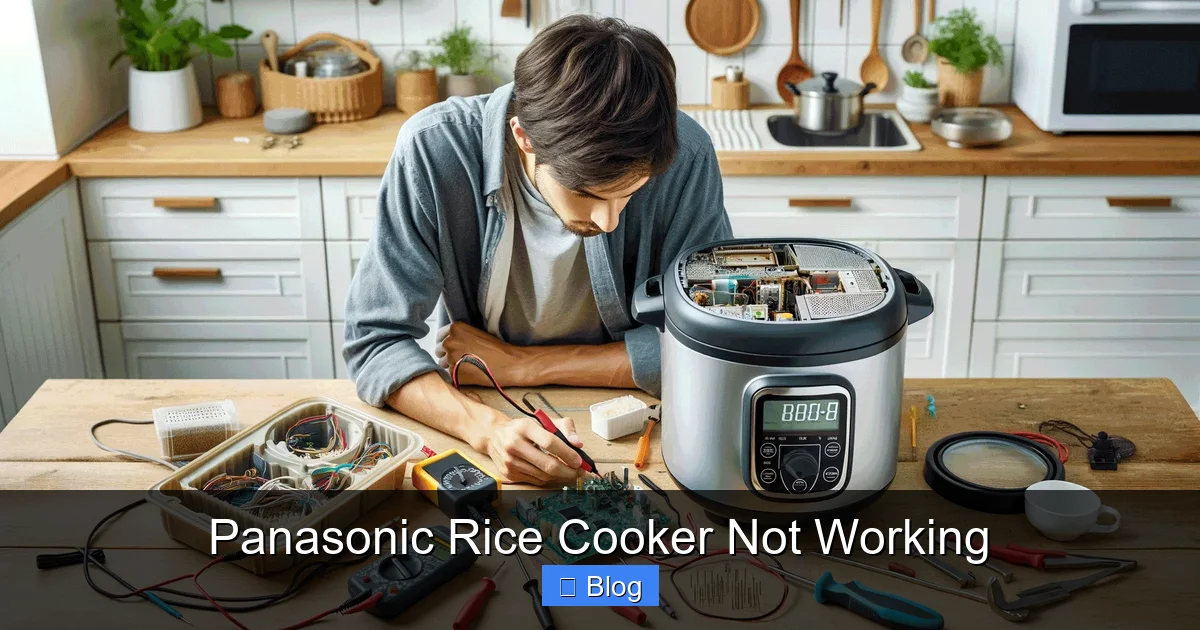
Visual guide about Panasonic Rice Cooker Not Working
Image source: expertreviewsbestricecooker.com
Cleaning the Thermal Sensor Plate
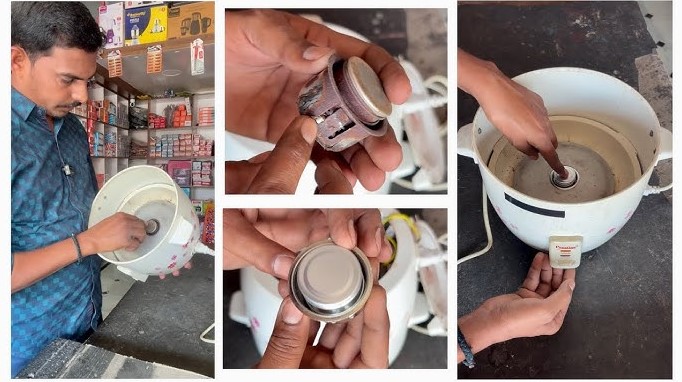
At the center of your cooker base is the circular thermal sensor. This little spring-loaded component is the brain of your device. If it is covered in burnt sugar, starch, or debris, it cannot accurately read the temperature of the pot.
When this sensor is blocked, the cooker might shut off too early or keep running long after the water has evaporated. Use a damp cloth to gently wipe the center plate and the bottom of your inner pot to ensure a direct metal-to-metal contact.
Managing the Water-to-Rice Ratio
Sometimes, we assume the machine is broken when the issue is actually the method. If your Panasonic rice cooker is not working to produce fluffy results, consider the water ratios. Using old rice, which is drier than fresh grain, often requires more water. Also, ensure you are using the measuring cup provided by Panasonic. Using a standard kitchen cup can ruin the calibration of the cooker, causing it to undercook the batch.
Handling Digital Error Codes
If you own one of the newer 2026 digital Panasonic models, you might see an error code on the display screen. This is actually a good thing! Instead of guessing, the cooker is telling you exactly why it is not working. Common codes like E1, E2, or H01 usually signify a sensor malfunction or a ventilation problem.
How to Reset Your Rice Cooker
When an error code appears, the first step is a soft reset. Unplug the unit from the wall outlet and leave it disconnected for at least ten minutes. This allows the internal capacitors to discharge. Plug it back in and try a simple “keep warm” cycle.
If the code persists, the internal temperature sensor may need a professional look. For many models, these codes indicate that the main control board has detected an electrical imbalance, which is a safety feature to prevent fire or damage.
Maintenance Tips to Prevent Future Failures
Prevention is always better than cure. If you want to avoid a future situation where your Panasonic rice cooker is not working, regular care is essential. Following a consistent maintenance schedule keeps the internal electronics happy and the heating elements efficient.
The Proper Way to Clean Your Cooker
Never submerge the main body of your cooker in water. This is the fastest way to fry the electronic circuit board. Instead, wipe the outside with a damp microfiber cloth. For the inner pot, avoid using steel wool or harsh scrubbers, as these damage the non-stick coating. A damaged coating changes how the rice interacts with the heat, which can trick the sensor into thinking the rice is done when it is not.
Checking the Steam Vent
The steam vent on the lid is responsible for regulating pressure. If it gets clogged with starch bubbles, steam can build up inside the unit and cause the sensors to trigger a premature shutdown. Take the vent cap off after every few uses and rinse it under warm water. Ensuring a clear pathway for steam helps your cooker manage the cooking cycle as intended by the manufacturer.
When to Call a Professional
If you have tried the steps above and your Panasonic rice cooker is not working, it may be time to consult an expert. There are instances where the issue is purely internal and beyond home repair. For example, if you smell something burning or see smoke, unplug the unit immediately and do not try to use it again. This suggests an electrical short that poses a fire hazard.
Warranty and Authorized Service
Before you spend money on a new machine, check your warranty. Panasonic appliances often come with long-term coverage. If the unit is under warranty, opening the base to try a DIY repair will void your contract. Contact the official customer service center in your region. They can often provide a local authorized repair shop that specializes in fixing these specific models.
Is It Time for a Replacement?
If your cooker is over ten years old, parts may become harder to source. Sometimes, the cost of replacing the thermal fuse or the control board is nearly the price of a brand-new, modern cooker.
If your Panasonic rice cooker is not working and the repair quote is high, treat yourself to a new model. Modern 2026 versions offer better energy efficiency, faster cooking times, and advanced grain-specific modes that make home cooking even more enjoyable.
Conclusion
Dealing with a kitchen tool that refuses to cooperate is annoying, but it is rarely the end of the road. By checking your power connections, cleaning the thermal sensor, and observing error codes, you can fix the majority of problems. A Panasonic rice cooker is designed to be a durable workhorse, and with just a little bit of care, it should provide years of reliable service.
Remember, the most common culprit when a Panasonic rice cooker is not working is often the simplest one: a loose cord or a dirty sensor. Keep it clean, use it according to the manual, and enjoy your perfectly cooked meals. If all else fails, don’t be afraid to reach out to professional support. Your path to fluffy rice is only a few troubleshooting steps away!
Frequently Asked Questions
Why won’t my Panasonic rice cooker turn on at all?
The most likely cause is a loose power cord or a tripped circuit breaker. Ensure the detachable cord is firmly pushed into the cooker base and test the wall outlet with another appliance to ensure it has power.
What does it mean if my rice comes out crunchy?
Crunchy rice usually indicates that the water evaporated before the cooking cycle was finished. This happens if the thermal sensor is blocked by debris or if you used an incorrect water-to-rice ratio.
Can I put the main base of the rice cooker in the dishwasher?
No, you should never submerge the main base of your Panasonic rice cooker in water or place it in a dishwasher. Only the inner pot and the steam vent accessories are typically safe to clean, and even then, hand-washing is recommended to preserve the coating.
Why is my rice cooker showing an error code?
An error code indicates that the internal computer has detected a sensor, temperature, or ventilation issue. Try unplugging the unit for ten minutes to reset the system before attempting to use it again.
How do I know if my thermal sensor is dirty?
If you see a buildup of white or brown residue on the circular metal plate at the bottom of the base, it is likely dirty. Gently wipe it with a soft, damp cloth to ensure the heat can reach the pot effectively.
Should I repair or replace an old rice cooker?
If the repair requires replacing internal electrical components like the control board, it may be more cost-effective to buy a new one. However, if the issue is just a power cord or a dirty sensor, a repair is usually well worth the effort.