How Does A Toaster Cook Your Food: The Science Explained
In homes across the United States, a pop-up toaster turns bread into toast in just a few minutes. It does this by sending electric current through metal heating elements, which become hot and give off infrared radiation. That heat dries the bread, browns its surface, and creates the crisp texture people expect from toast.
A toaster does not cook food like a microwave or a frying pan. It mainly uses radiant heat, much like the heating element in an electric oven or broiler. A control system then limits the heating time or temperature so the toast does not keep cooking until it burns.
The Short Answer: How a Toaster Cooks Food
A toaster cooks food through five basic steps:
- You place bread or another suitable food in the slot.
- Pressing the lever lowers the food and turns on an electrical switch.
- Electricity flows through metal heating elements.
- The elements glow and send infrared heat toward the food.
- A timer or heat-control system cuts power and releases the food when the cycle ends.
The heat causes water in the food to evaporate. At the same time, chemical reactions brown the surface and create new aromas and flavors. This is why toast tastes different from warm bread.
Most household toasters sold in the United States are designed for the standard household electrical supply of about 120 volts AC. The exact power rating varies by model, but many toasters use several hundred watts during operation.
What Happens Inside a Toaster?
A toaster contains a small group of parts that work together to produce heat, control the cycle, and eject the toast.
Heating elements
The heating elements are thin resistance wires, often made with a nickel-chromium alloy such as nichrome. This type of wire resists the flow of electricity.
When current passes through the wire, electrical energy changes into heat. The wire becomes hot enough to glow red or orange. It then transfers heat to the bread mainly through infrared radiation.
A typical toaster has heating elements on both sides of each slot. These elements help toast both faces of the bread at the same time. Some models use separate controls for each side or slot so the user can select different settings.
The lever and switch
The lever does more than lower the bread. It usually performs two jobs:
- It moves the bread into the heating area.
- It closes an electrical switch that supplies power to the heating elements.
Many pop-up toasters use a magnet or electromagnetic latch to hold the lever down during the cycle. When the control system ends the cycle, the latch releases. A spring then pushes the lever and toast upward.
The control system
The browning control does not always measure the exact color of the bread. In many conventional toasters, it sets how long the heating elements remain on.
A toaster may control the cycle with:
- A mechanical timer
- A bimetal strip
- An electronic timer
- A temperature sensor
- A combination of these systems
A bimetal strip contains two bonded metals that expand at different rates when heated. As the strip bends, it can open an electrical contact and stop the cycle. Electronic models may use sensors and programmed timing instead.
The crumb tray
The crumb tray catches loose bread particles. It does not affect the main cooking process, but it helps reduce the amount of food debris near the heating elements.
A full or dirty crumb tray can allow crumbs to build up inside the toaster. That buildup may smoke, smell unpleasant, or increase the risk of a fire. Cleaning the tray is a basic part of toaster care.

How Heat Changes Bread Into Toast
Toasting involves both physical changes and chemical reactions. The first major change is the loss of water.
Fresh bread contains a significant amount of moisture. As the toaster heats the bread, water near the surface turns into vapor and leaves the bread. This makes the outside drier and crisp, while the inside may remain softer.
The surface then becomes hot enough for browning reactions. Two processes matter most:
The Maillard reaction
The Maillard reaction occurs when heat causes sugars and amino acids to react. It creates many of the brown colors and roasted flavors found in toast, grilled foods, and baked foods.
This reaction is one reason lightly toasted bread can smell nutty or savory. It is also why toast develops more flavor as it moves from pale to golden brown.
Caramelization
Caramelization is the breakdown of sugar caused by heat. It can add deeper sweetness, color, and aroma. Caramelization and the Maillard reaction can happen together, although they are different chemical processes.
If the surface becomes too hot or stays hot for too long, the toast darkens, dries out, and eventually burns. Burned food contains charred material and may taste bitter.
Why toast turns brown
Toast becomes brown because heat changes the compounds on the bread’s surface. The browning level depends on:
- Heating time
- Surface temperature
- Bread moisture
- Bread thickness
- Sugar content
- The toaster’s power and design
- The selected browning setting
A toaster setting marked “4” does not represent a universal temperature. It usually represents a longer or more intense heating cycle, but settings differ between models.

Does a Toaster Use Radiation?
Yes. A toaster uses infrared radiation, a form of electromagnetic energy that transfers heat from the hot element to the food.
This is not the same as the ionizing radiation associated with X-rays. Infrared radiation is also produced by sunlight, campfires, and heated metal. In a toaster, the heating elements emit infrared energy that warms the bread’s surface.
A toaster also transfers a smaller amount of heat through:
- Conduction: Direct contact between the hot bread and the toaster rack
- Convection: Movement of warm air around the bread
Radiation does most of the direct heating because the elements face the bread at close range.
This heating method explains why the side of the bread facing a working element browns more quickly. It also explains why bread can toast unevenly if an element is damaged, blocked, or farther away from the food.
Why Does Toasting Take Different Amounts of Time?
Toasting time changes because bread and toaster conditions are not always the same. The same setting can produce different results on different days.
Bread thickness
Thick slices take longer to heat through than thin slices. Their larger mass also means more moisture must leave before the outside becomes crisp.
Moisture content
Fresh or moist bread may need more time than dry bread. Frozen bread also needs extra energy because the toaster must first warm and thaw it.
Bread sugar and ingredients
Bread with more sugar may brown faster. Enriched bread, sweet rolls, and some specialty breads can darken quickly because their ingredients support more browning.
Toaster temperature
If the toaster was used moments earlier, its internal parts may already be hot. A second cycle may brown bread faster than the first cycle.
Toaster design
Toasters vary in element spacing, wattage, slot size, sensor design, and heat distribution. A browning number on one toaster cannot be compared directly with the same number on another.
A Simple Energy Calculation
The energy used by a toaster depends on its power and the time it runs.
The basic formula is:
Energy in watt-hours = power in watts × time in hours
For example, a hypothetical 900-watt toaster used for 3 minutes would consume:
900 × 3/60 = 45 watt-hours
That equals 0.045 kilowatt-hours.
This is a simplified calculation. It assumes the toaster draws its rated power for the entire cycle. Actual energy use may be lower if the control system cycles the heating elements on and off.
The calculation also shows why toaster use is usually brief: even a high-power appliance may use relatively little energy during a short cycle. The exact cost depends on the electricity rate from the local utility.

What Foods Can a Toaster Cook?
A standard pop-up toaster is designed mainly for sliced bread and similar dry foods that fit safely inside the slots.
Suitable foods may include:
- Sliced bread
- Bagels, when the toaster has a bagel setting
- English muffins
- Waffles labeled for toaster use
- Some frozen bread products
- Toaster pastries, only when the package and appliance instructions allow it
The food must fit without being forced into the slot. It should not touch the heating elements, block the lever, or produce a large amount of filling or grease.
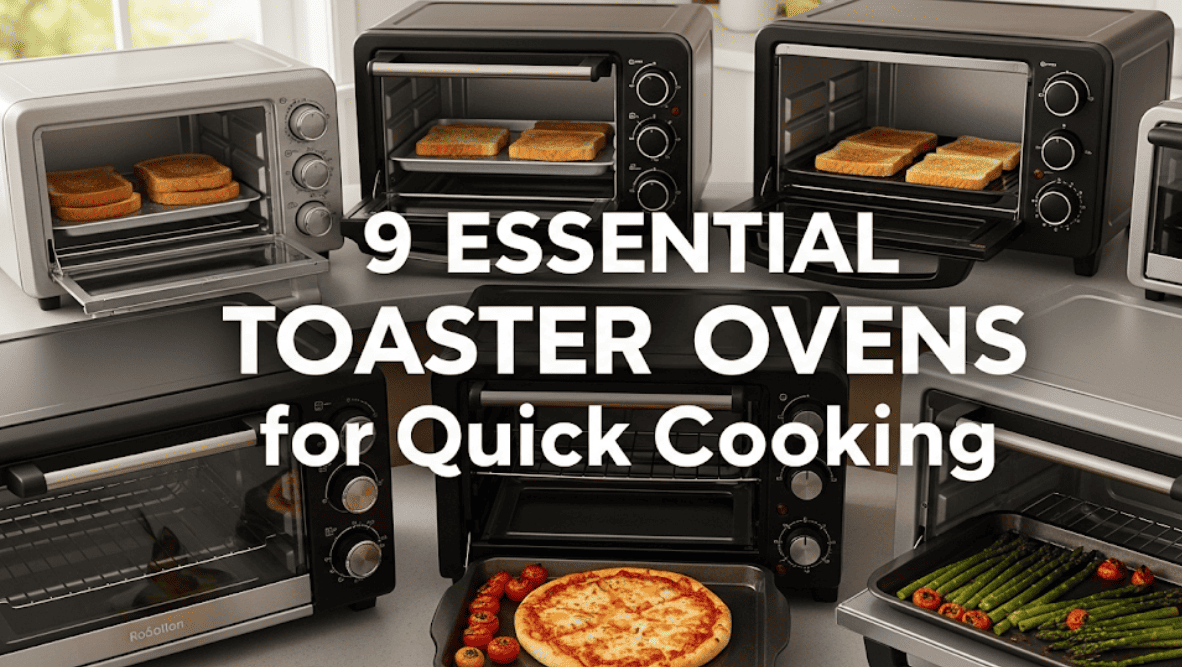
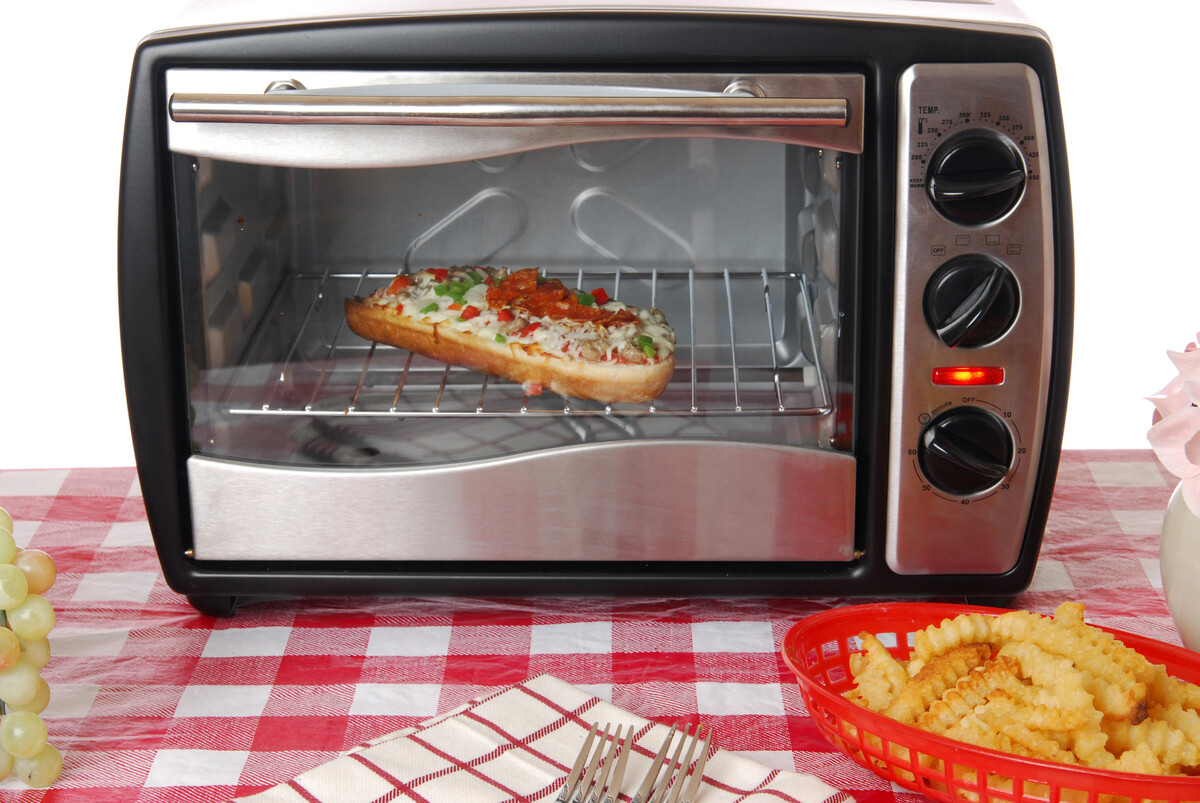
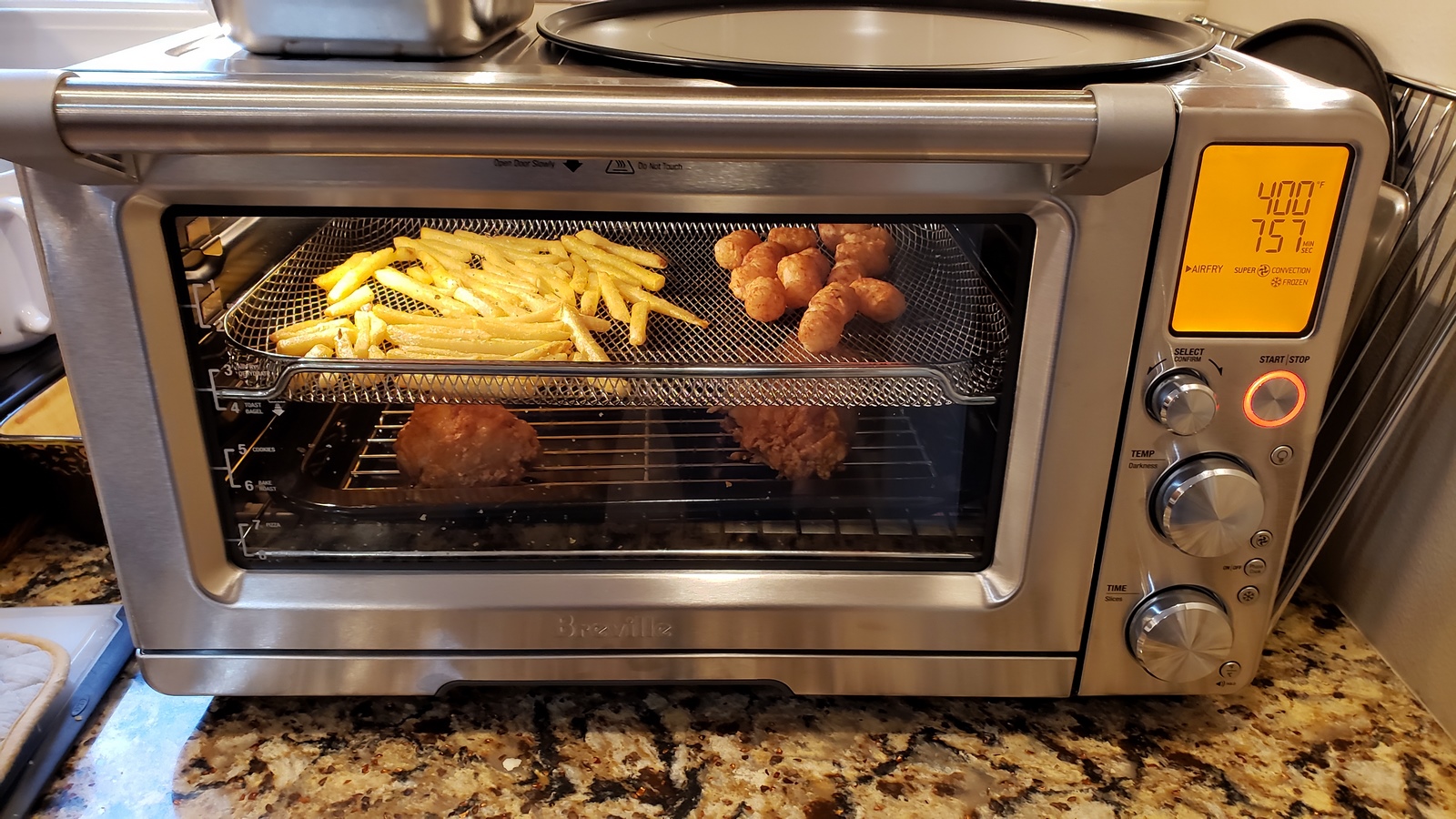
A pop-up toaster is not the same as a toaster oven. A toaster oven has a wider chamber and can hold items such as a small pizza, vegetables, or a baking dish when the manufacturer permits it. A standard slot toaster cannot safely handle those foods.
Foods to avoid in a standard toaster
Do not place these items in a regular pop-up toaster unless the appliance maker specifically approves them:
- Food covered in oil or butter
- Cheese that can melt onto the elements
- Foods with loose fillings
- Raw meat or poultry
- Wet batter
- Oversized bread
- Metal utensils or foil
- Food that is stuck in the slot
Moist or greasy foods can drip onto hot electrical parts. Metal objects can create a shock or short-circuit hazard. Raw meat also requires controlled cooking conditions that a pop-up toaster does not provide.
How Toaster Settings Affect Browning
A higher browning setting usually keeps the heating elements on longer. It does not necessarily make the elements much hotter.
A useful way to choose a setting is to start low and increase gradually:
- Use a low or medium setting for the first slice.
- Check the color after the cycle ends.
- Increase the setting slightly if the bread is too pale.
- Reduce the setting if the bread is very dark or smells scorched.
- Use the same bread type and slice thickness when comparing settings.
The best setting is based on the result, not the number printed on the dial. Bread type, moisture, and toaster temperature all affect the outcome.
If the toast is dark on one side and pale on the other, the problem may not be the setting. Possible causes include uneven heating elements, a slice that is not centered, crumbs blocking heat, or a toaster design with uneven heat distribution.

Why Does a Toaster Smoke?
A toaster may produce a small amount of smoke when crumbs or food residue burn on the heating elements. This can happen more often when the toaster is new, has not been cleaned, or is used for a food with sugar or grease.
Turn the toaster off and unplug it if smoke continues, the smell is strong, or you see flames. Let it cool fully before removing the crumb tray or checking for residue.
Never pour water into a toaster. Water can contact energized parts and create an electric shock or fire hazard.
A burning smell can also signal an electrical problem, such as damaged wiring or a failing component. If the odor returns when the toaster is used, stop using it and replace the appliance or have it evaluated by a qualified professional. Do not open the toaster while it is plugged in.
Toaster Safety: What You Should and Should Not Do
A toaster contains hot surfaces and electrical parts. Safe use depends on keeping food, water, and metal away from those parts.
Safe practices
- Place the toaster on a stable, heat-resistant surface.
- Keep it away from water and the edge of the counter.
- Remove crumbs regularly after the toaster cools.
- Unplug the toaster when it is not in use if the manufacturer recommends this practice.
- Watch the toaster while it operates.
- Use only foods that fit the appliance instructions.
- Keep children away from the slots and hot surfaces.
- Unplug the appliance before removing stuck food.
Unsafe practices
- Do not insert a knife, fork, or other metal object into the slots.
- Do not use the toaster near a sink or wet counter.
- Do not cover the toaster while it is operating.
- Do not force oversized food into a slot.
- Do not use a toaster with a damaged cord or plug.
- Do not shake an active toaster over a sink.
- Do not leave a smoking toaster unattended.
- Do not attempt to repair internal electrical parts unless qualified to do so.
The U.S. Consumer Product Safety Commission and fire-safety organizations regularly advise consumers to use heating appliances carefully, keep combustible materials away, and respond quickly to smoke or fire. Follow the specific safety instructions supplied with your toaster because designs differ.
Why Does a Toaster Get Hot but Not Toast the Bread?
If a toaster heats but produces pale or uneven bread, check the simplest causes first.
The browning setting is too low
Increase the setting by a small amount and test one slice. A single cycle may not reveal a problem because the toaster may be working as designed.
The bread is unusually moist or thick
Try a thinner or drier slice at the same setting. If the result improves, the toaster may not be at fault.
One heating element is not working
Unplug the toaster and inspect it only from the outside. If one side does not glow during use, the element or its control circuit may have failed. Do not continue using the toaster if it shows signs of electrical damage.
Crumbs are blocking heat
Let the toaster cool, unplug it, and empty the crumb tray. Do not turn the toaster upside down while it is plugged in, and do not insert tools into the slots.
The control system is failing
A toaster that ends too early, stays on too long, or fails to release the lever may have a faulty timer, sensor, switch, or latch. Replacement is often safer and more practical than attempting an internal repair.
Toaster vs. Toaster Oven vs. Microwave
These appliances heat food in different ways.
| Appliance | Main heating method | Best suited for | Main limitation |
|---|---|---|---|
| Pop-up toaster | Infrared radiation from resistance elements | Sliced bread and similar dry foods | Small slots and limited food control |
| Toaster oven | Radiant heat plus hot air | Toast, small meals, baking, and reheating | Usually takes longer than a pop-up toaster |
| Microwave oven | Radio-frequency electromagnetic energy that excites water molecules | Heating moist foods and leftovers | Does not create crisp browning by itself |
A microwave can heat bread, but it usually makes bread soft or chewy rather than crisp. A toaster oven offers more space and control but generally requires more setup and a longer cooking cycle.
Choose a pop-up toaster when the main goal is fast browning of bread-sized items. Choose a toaster oven when the food is too large, too wet, or too messy for a slot toaster.

Common Toaster Mistakes
Several habits can reduce performance or create avoidable hazards.
Using the same setting for every type of bread
Different bread products contain different amounts of water, sugar, and fat. Adjust the setting when changing bread types.
Overfilling the slots
Bread should move freely and should not scrape against the heating elements. Forcing food into the slot can damage the appliance and create uneven heating.
Ignoring a stuck lever
A lever that sticks may indicate crumbs, a worn latch, or an electrical fault. Unplug the toaster and stop using it if the lever does not operate normally.
Cleaning while the toaster is plugged in
Always disconnect power first. The inside of a toaster may remain electrically hazardous even when the heating elements are not glowing.
Assuming a higher setting always means higher temperature
On many models, the main change is cycle length. The exact control method depends on the toaster’s design.
Frequently Asked Questions
Does a toaster cook the inside of bread?
It heats the entire slice, but most browning occurs at the surface. The outside receives direct infrared energy, while heat slowly moves inward. The center may stay soft because it contains more moisture and is farther from the heating elements.
Is toasted bread healthier than untoasted bread?
Toasting changes texture, moisture, and flavor, but it does not automatically make bread healthy or unhealthy. Very dark or burned toast should be avoided as a routine food choice. The overall nutritional value depends mainly on the bread and the amount eaten.
Why does frozen bread take longer to toast?
The toaster must first warm the frozen bread and melt its ice before it can dry and brown the surface. Some toasters include a frozen setting that extends the cycle.
Can I use a toaster to warm tortillas or pastries?
Only use foods approved by the toaster and food package instructions. Soft, filled, greasy, or oversized foods may create a fire or cleaning problem. A toaster oven or skillet may be safer for foods that do not fit the slots.
Why does toast sometimes pop up before it is brown?
The control system may be ending the cycle too soon, or the bread may be unusually thick or moist. A low setting, a cool appliance, or a failing timer can also cause pale toast. If the problem affects every type of bread, stop using the toaster if it shows other signs of malfunction.
Key Takeaways
- A toaster cooks food mainly with infrared radiation from hot resistance wires.
- Electricity passes through nichrome-like heating elements, which convert electrical energy into heat.
- Heat removes moisture and triggers browning reactions, including the Maillard reaction.
- Browning depends on time, temperature, bread moisture, thickness, and ingredients.
- A higher setting often means a longer heating cycle, not necessarily a much hotter element.
- Use a pop-up toaster only for foods that fit safely and follow the appliance instructions.
- Never insert metal objects into a toaster, and unplug it before removing stuck food.
- Smoke, flames, damaged cords, or repeated burning smells are reasons to stop using the appliance.
Conclusion
A toaster cooks food by converting electrical energy into radiant heat. Its glowing heating elements warm the surface of the bread, remove moisture, and create the brown color, crisp texture, and roasted flavor associated with toast.
For the best results, match the browning setting to the bread, clean crumbs after the toaster cools, and use only foods designed for the appliance. If the toaster smokes heavily, sparks, sticks, or shows electrical damage, unplug it and replace it rather than attempting an unsafe repair.
Sources for further reading
- U.S. Consumer Product Safety Commission — Home fires involving small appliances
- National Fire Protection Association — Cooking and home fire safety
- U.S. Department of Agriculture — Food safety guidance
- National Institute of Standards and Technology — Electricity and resistance concepts
- U.S. Department of Energy — Energy use and electricity basics