

How Much Does A Toaster Cost: Price Guide
A toaster usually costs $15 to $100 in the United States. Basic two-slice models often cost $15 to $40, while four-slice and premium models may cost $50 to $200 or more. A toaster oven is a different appliance and can cost $40 to $400 or more.
The final price depends on the toaster’s size, heating controls, materials, brand, and extra features. Sales, tax, shipping, and replacement parts can also change the total cost.
This guide explains typical U.S. toaster prices, what you get at each price level, and how to choose a model that fits your budget.

Average Toaster Prices in the United States
Most shoppers can find a reliable household toaster for $25 to $60. This range covers many two-slice and four-slice models with basic browning controls, a cancel button, and a removable crumb tray.
| Toaster type | Typical U.S. price | Best for |
|---|---|---|
| Basic two-slice toaster | $15–$40 | Small kitchens and light use |
| Mid-range two-slice toaster | $30–$80 | Daily use and better controls |
| Basic four-slice toaster | $25–$60 | Families and shared kitchens |
| Premium four-slice toaster | $60–$200+ | Frequent use and added features |
| Long-slot toaster | $30–$100 | Artisan bread and long slices |
| Commercial toaster | $100–$500+ | Cafés, restaurants, and heavy use |
| Toaster oven | $40–$400+ | Toasting, baking, broiling, and reheating |
These are general retail ranges for new appliances sold in the U.S. Prices can be lower during holiday sales, clearance events, or store promotions. A low price does not always mean poor quality, but very cheap models may have fewer settings and shorter warranties.
A standard toaster is often the lowest-cost option for making toast. A toaster oven costs more because it uses a larger chamber and can perform more cooking tasks.

What Do You Get at Each Toaster Price?
The price of a toaster often reflects its size, build, control system, and expected use. The cheapest model may toast bread well, but it may lack even browning or long-term durability.
Under $25: Basic toasters
Toasters under $25 usually include:
- Two bread slots
- A simple browning dial
- A cancel button
- A removable or lift-out crumb tray
- A plastic outer body
These models suit occasional use, dorm rooms, offices, and small apartments. They may struggle with thick bread, bagels, or unevenly sized slices.
At this price, check that the toaster has a stable base and an easy-to-use cancel control. Avoid buying solely because of a very low price if the toaster has no clear safety information or warranty.
$25 to $60: The main value range
This is the most useful price range for many U.S. households. Models may offer:
- Two or four slots
- Wider slots for thicker bread
- Bagel and frozen settings
- Better browning control
- A metal or mixed-material body
- A stronger lever and crumb tray
A toaster in this range can be a good fit for daily breakfast use. Still, features vary widely. A four-slice model may cost only a little more than a two-slice model, but it also uses more counter space.
$60 to $150: Premium household models
Premium toasters may include:
- Independent controls for each pair of slots
- Digital timers or countdown displays
- Automatic lift functions
- Extra-wide or long slots
- More even heating
- Metal construction
- Extended warranties
These features can make daily use easier. They do not guarantee that the toaster will last longer or toast better in every kitchen.
Before paying more, ask whether you will use the extra controls. A premium toaster may not be worth the cost for someone who makes toast only a few times each week.
Over $150: Specialty and commercial models
Toasters above $150 are often specialty products. They may target design-focused kitchens, restaurants, hotels, or users who need heavy daily use.
Commercial units can cost several hundred dollars. They may toast many slices quickly, but they are often larger, louder, and less suited to a small home kitchen.
A high price may reflect capacity, materials, or commercial construction rather than better results with ordinary sliced bread.

How Much Does a Two-Slice Toaster Cost?
A two-slice toaster usually costs $15 to $80 in the United States. Entry-level models sit near the lower end, while models with wide slots, digital controls, and metal bodies cost more.
A two-slice toaster is usually the best choice for:
- One-person households
- Couples
- Small kitchens
- Occasional toast eaters
- Buyers who want to save counter space
A two-slice model also uses less space than a four-slice toaster. However, it may take longer to prepare breakfast for several people because you must toast more batches.
For most buyers, a $25 to $50 two-slice toaster offers a practical balance of price and features.

How Much Does a Four-Slice Toaster Cost?
A four-slice toaster generally costs $25 to $200 or more. Many basic models cost between $30 and $60, while premium models can cost over $100.
A four-slice toaster may have either:
- Four slots with one shared control system, or
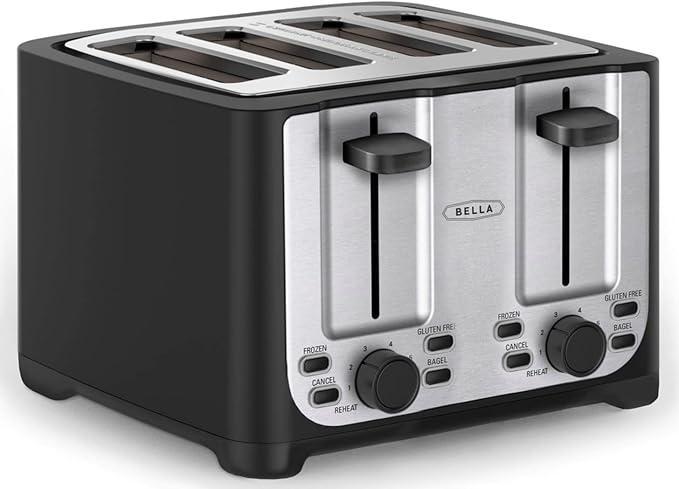
- Two separate two-slot sections with independent controls.
Separate controls help when two people prefer different browning levels. They also let you toast different types of bread at the same time.
A four-slice toaster is useful for:
- Families
- Shared homes
- Large breakfasts
- Frequent entertaining
- Users who want fewer toast batches
Measure your counter before buying. Four-slice models are often wider and heavier than two-slice models.

How Much Does a Toaster Oven Cost?
A toaster oven usually costs $40 to $400 or more in the United States. Basic models may toast bread and warm food. Higher-priced models may include convection cooking, air frying, broiling, baking, or digital programs.
Typical toaster oven prices include:
- $40–$80: Basic countertop models
- $80–$180: Larger models with convection or more controls
- $180–$400+: Premium countertop ovens with many cooking modes
A toaster oven can replace some use of a full-size oven. It may also take longer to toast bread than a pop-up toaster and use more counter space.
Choose a toaster oven when you want more than toast. Choose a regular toaster when you mainly want fast, simple toast.

What Makes a Toaster More Expensive?
Several factors affect the price of a toaster. The most important ones are capacity, controls, slot design, materials, and brand positioning.
Size and capacity
A four-slice toaster usually costs more than a similar two-slice model. Larger capacity also means more counter space and, in some cases, higher power use.
Slot width and length
Wide slots can fit thick bread, bagels, English muffins, and some bakery items. Long slots may fit larger artisan bread slices.
Check the slot dimensions when available. The label “extra wide” is not a precise industry measurement.
Browning control
Basic toasters use a numbered dial. More advanced models may use electronic controls or a display.
A higher number does not mean the same browning time on every toaster. The number is a control setting, not a universal standard.
Heating performance
Toasters with more even heating may produce more consistent color across the slice. Performance can still vary by bread thickness, moisture, frozen state, and the number of back-to-back cycles.
Materials
Plastic-bodied models often cost less. Stainless steel or metal panels may raise the price and improve the look of the appliance. Metal does not automatically mean better toasting.
Special settings
Common settings include:
- Bagel: Heats one side more than the other
- Frozen: Adds time for frozen bread
- Reheat: Warms toast without starting a full cycle
- Cancel: Stops the cycle and raises the bread
- Lift-and-look: Lets you check toast during a cycle
Buy only the features you will use. Extra buttons add value only when they solve a real need.
Brand and warranty
Brand name can affect price. A longer warranty may provide more protection, but read its terms. Warranties may exclude misuse, commercial use, cosmetic damage, or shipping costs.
Is an Expensive Toaster Worth It?
An expensive toaster is worth considering when you use it often and need a feature that cheaper models lack. It is less likely to be worth the cost if you mainly want basic toast.
A more expensive model may make sense if you need:
- Four slices at once
- Extra-wide or long slots
- Independent controls
- A metal design
- A better fit for thick bread
- A longer warranty
- A specific kitchen style
Do not assume a $150 toaster will last three times as long as a $50 toaster. Retail price alone does not prove durability, even browning, or repairability.
A simple cost-per-use example shows the trade-off:
- A $30 toaster used five times each week for three years costs about $0.04 per use.
- A $120 toaster used five times each week for three years costs about $0.31 per use.
These figures are hypothetical and do not include electricity, tax, repairs, or replacement. The more expensive toaster may still be worthwhile if it performs better for your needs.

What Is the Total Cost of Owning a Toaster?
The purchase price is usually the largest cost. Electricity use is normally a smaller part of the total cost for a household toaster.
Your total cost may include:
- Purchase price
- Sales tax
- Delivery or shipping
- Electricity
- Extended warranty
- Replacement crumb trays or parts
- A replacement appliance
A toaster is usually a short-cycle appliance. You operate it for a few minutes at a time, so energy costs are often modest. Exact cost depends on the toaster’s wattage, cycle length, local electric rate, and use frequency.
You can estimate electricity cost with this formula:
Cost = watts ÷ 1,000 × hours used × electricity rate
For example, a 1,200-watt toaster used for 10 minutes per day uses:
1.2 kilowatts × 0.167 hours = about 0.20 kilowatt-hours per day
At an electricity rate of $0.18 per kilowatt-hour, that would cost about 4 cents per day. This is a hypothetical example, not a universal cost.

How to Choose the Right Toaster for Your Budget
Start with your bread, household size, and available counter space. Then compare features that solve those needs.
Choose a two-slice toaster if:
- You usually make one or two slices
- You have limited counter space
- You want the lowest purchase price
- You do not need separate controls
A budget of $25 to $50 is often enough for a practical two-slice model.
Choose a four-slice toaster if:
- Several people eat toast at once
- You want to reduce cooking time
- You need separate browning settings
- Counter space is not a concern
A budget of $35 to $80 covers many household four-slice models.
Choose a long-slot toaster if:
- You buy large bakery bread
- Standard slots leave part of the slice exposed
- You often toast sourdough or other long slices
Expect to spend about $30 to $100, depending on the size and controls.
Choose a toaster oven if:
- You want to bake or broil
- You reheat pizza or small meals
- You want one appliance for several tasks
- You have enough space and ventilation
A budget of $60 to $180 covers many useful countertop models.
Where Can You Find the Best Toaster Prices?
The lowest price is not always at the same type of store. Compare the final checkout price, return policy, and warranty.
Common U.S. buying options include:
- Large department stores
- Warehouse clubs
- Home appliance retailers
- Brand websites
- Online marketplaces
- Home improvement stores
Prices often fall during major sales periods, including Black Friday, post-holiday clearance, and back-to-school promotions. Clearance items may have limited color choices or shorter return windows.
Before buying online, check the shipping charge. A toaster listed at $19 may cost more than a $25 model with free delivery.
Also check whether the listing is for a new, used, refurbished, or open-box appliance. These categories can have different warranties and return rules.
Common Toaster Buying Mistakes
Avoid these mistakes when comparing toaster prices.
Buying a toaster oven by accident
A toaster oven is not the same as a pop-up toaster. It costs more, needs more space, and serves a wider cooking role.
Ignoring slot size
A standard slot may not fit thick bread or large bagels. Check the listed dimensions when your bread is larger than standard sliced bread.
Choosing too many features
Digital screens and extra cooking modes can raise the price. They may also add controls that you never use.
Forgetting counter space
Measure the available width, depth, and height. Leave room around the appliance as required by the manufacturer.
Overlooking cleaning
Crumbs can collect inside a toaster. Use the crumb tray and follow the care instructions. Never shake a plugged-in toaster over a sink.
Buying a used toaster without checking its condition
Avoid units with damaged cords, exposed wires, burn marks, cracked housings, or a lever that does not work correctly. Electrical damage is a safety concern.
Toaster Safety and Maintenance
Unplug the toaster before cleaning it or moving it. Allow it to cool first.
The U.S. Consumer Product Safety Commission advises consumers to use appliances as directed and keep flammable items away from heat sources. Do not insert knives, forks, or other metal objects into a toaster, even when it is unplugged, unless the manufacturer gives specific service instructions.
For basic care:
- Empty the crumb tray on a regular basis.
- Unplug the toaster before cleaning.
- Remove loose crumbs as the manual directs.
- Keep the toaster away from water.
- Do not operate it under cabinets if the manual warns against that use.
- Stop using it if the cord, plug, or body shows damage.
If the toaster sparks, smells like burning plastic, trips a circuit, or keeps running after the cycle ends, unplug it when safe and stop using it. Replace it or have it inspected by a qualified repair professional.
Frequently Asked Questions
How much should I spend on a good toaster?
For most U.S. households, $25 to $60 is a reasonable budget for a good basic toaster. Spend more if you need four slots, extra-wide openings, long slots, or separate controls.
Is a $20 toaster worth buying?
A $20 toaster can be suitable for light use. Check its safety features, slot size, return policy, and warranty before buying. It may not offer the same controls or build quality as a mid-range model.
How long does a toaster usually last?
A toaster’s service life varies by design, use, cleaning, and build quality. Frequent daily use can cause wear sooner than occasional use. Replace a toaster that has electrical damage, repeated faults, or signs of overheating.
Does a four-slice toaster use more electricity?
A four-slice toaster can use more electricity when all four slots operate at once. The actual cost depends on wattage and operating time. Using only two slots may not use the same amount of power as a two-slice toaster.
Are toaster ovens cheaper than regular ovens?
A toaster oven may use less energy for small meals because it heats a smaller space. The result depends on the model, cooking time, food quantity, and local electricity rate. It usually costs more to buy than a basic pop-up toaster.
Key Takeaways
- A basic toaster costs about $15 to $40 in the U.S.
- A practical mid-range toaster often costs $25 to $60.
- Four-slice models commonly cost $25 to $200 or more.
- Long-slot toasters often cost $30 to $100.
- Toaster ovens usually cost $40 to $400 or more.
- Choose based on slot size, household needs, counter space, and useful features.
- Do not use a toaster with a damaged cord, exposed wiring, or signs of overheating.
Conclusion
For most American households, a toaster priced between $25 and $60 offers a sensible balance of cost and function. Choose a two-slice model for a small household, a four-slice model for faster family breakfasts, and a toaster oven when you need baking or reheating functions.
Compare the full price, slot size, warranty, return policy, and safety features before you buy. A toaster does not need to be expensive to work well, but it should fit your daily needs and be safe to use.


15 Comments