Aroma Rice Cooker Light Not Working? Here’s How to Fix It
If your Aroma rice cooker light is not working, it usually points to a power connection issue, a tripped thermal fuse, or a faulty control board. Most problems are simple fixes you can handle at home, but always prioritize safety by unplugging the device before inspecting any components. This guide will help you identify the root cause and get your cooker back to making perfect rice in no time.
Key Takeaways
- Power Source Check: Always verify your wall outlet and power cord before assuming the cooker itself is broken.
- Thermal Fuse Protection: The most common reason for a complete power failure is a blown thermal fuse designed to prevent overheating.
- Safety First: Never attempt internal repairs while the device is plugged in; electricity can be dangerous even in small appliances.
- Resetting the Unit: Some models have simple reset buttons or require a cooldown period to engage the safety sensors again.
- Warranty Considerations: If your unit is under warranty, attempting DIY internal repairs might void it, so check your purchase date first.
- Cleaning Tips: Food debris and moisture around the heating element can lead to connectivity issues that mimic a broken power light.
Understanding Your Aroma Rice Cooker
We have all been there. You are ready to start dinner, you have your rice measured and rinsed, but when you press the button, nothing happens. No glowing light, no hum of heating just silence. It is incredibly frustrating when your Aroma rice cooker light not working scenario turns your kitchen routine upside down. As we step further into 2026, these appliances remain staples in our homes, but like any electronic device, they can experience hiccups.
The good news is that an Aroma rice cooker is built with a fairly simple internal design. Unlike high-end smart appliances that require complex computer diagnostics, these cookers rely on a basic circuit involving a power cord, a thermal fuse, and a heating element. When that little light refuses to shine, it is usually telling you that the circuit is broken somewhere along the line. Let’s walk through the steps to get you back to cooking.
Common External Culprits
Before we start taking things apart, we need to look at the obvious. Often, when an Aroma rice cooker light not working issue pops up, the problem is not actually with the cooker at all. It is easy to overlook the simple power delivery chain. In 2026, many of us have overcrowded power strips and kitchen outlets, which can sometimes fail or trip their own internal breakers.
Checking the Power Outlet
The first step is to confirm the outlet itself is live. You can do this by plugging in a small lamp or a phone charger. If the lamp doesn’t turn on, you have identified the problem: it is your house, not your rice cooker. If the outlet works, move your attention to the power cord. Look for any kinks, fraying, or damage along the length of the cable. Even a small nick in the insulation can cause a short circuit that prevents the device from drawing power.
The Detachable Cord Issue
Many Aroma models feature a detachable power cord. Over years of use, the pins inside the socket on the back of the rice cooker can become loose or develop a buildup of kitchen grease. Take a moment to unplug the cord and look into the socket. Is it clean? If you see gunk, use a dry, soft cloth or a q-tip to gently wipe it away. Ensure the cord is pushed firmly into the socket. Sometimes, it just needs a little extra push to make a solid connection.
The Thermal Fuse: The Unsung Hero
If the power supply is perfect, the next most likely culprit for an Aroma rice cooker light not working is the thermal fuse. Think of the thermal fuse as a safety guard. If the rice cooker detects that it is getting too hot perhaps due to a malfunction or because it was left on for too long the fuse will “blow” to stop the flow of electricity. This prevents the unit from catching fire.
Why Fuses Blow
Fuses usually blow for a reason. If your cooker experienced a power surge or if the heating element overheated because there was no water in the pot, the fuse did exactly what it was supposed to do. Unfortunately, once a thermal fuse blows, it is a “one-and-done” component. It cannot be reset; it must be replaced.
Is It a DIY Repair?
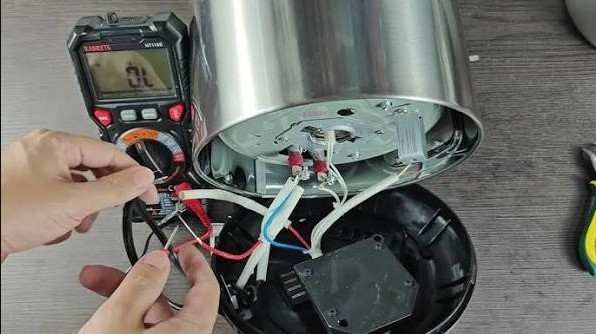
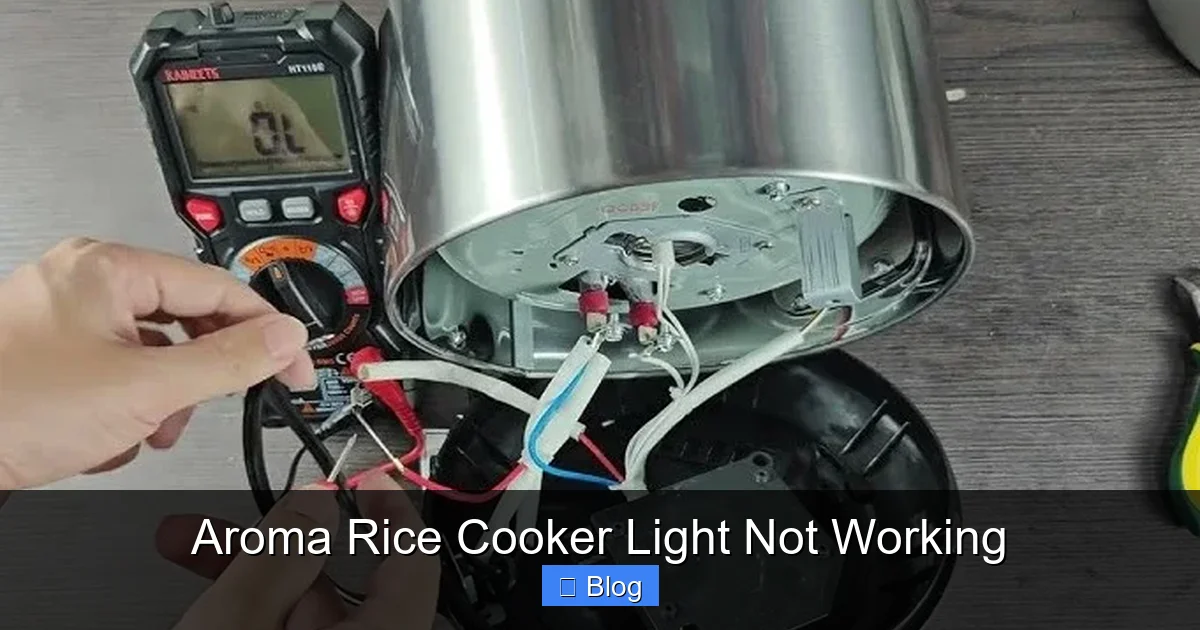
If you are comfortable with basic tools, replacing a thermal fuse is a standard repair. However, if you have never opened an appliance, please proceed with caution. You will need a multimeter to test continuity if you want to be sure the fuse is the problem. If you see the fuse is physically blackened or distorted, you know it needs replacing. Always ensure you are using an identical replacement part sourced from a reliable supplier to maintain the safety standards of your appliance.
Internal Connections and Switches
Sometimes the issue is not a broken part, but a loose one. Inside your rice cooker, wires connect the power socket to the heating plate and the indicator lights. Frequent movement or accidental drops can sometimes cause these internal connections to wiggle loose. If your Aroma rice cooker light not working intermittently—meaning it turns on if you jiggle the cord you likely have a loose internal wire.
Checking the Control Switch
The switch you press down to start the cooking cycle is a mechanical component. Over time, the internal contacts inside this switch can become oxidized or coated in a thin layer of dust. When you press the switch, it might click, but it isn’t completing the electrical circuit. Sometimes, simply toggling the switch up and down rapidly a few times can scrape away light oxidation and get the light to come back on.
Dealing with Moisture
We live in a world where we are often in a rush. If water has spilled into the base of the rice cooker or if you have been cooking in a very humid environment, moisture can settle near the contacts. If you suspect moisture, unplug the unit and let it sit in a dry, warm area for 24 hours. A surprising number of power issues resolve themselves once the internal components are completely dry.
When to Consider Professional Help or Replacement
We all want to save money and fix things ourselves. However, there comes a point where troubleshooting reaches its limit. If you have checked the cord, verified the outlet, and you are not comfortable tinkering with internal electrical components, it is time to call in the pros or consider a replacement.
Warranty Status
In 2026, most Aroma rice cookers come with a standard limited warranty. Check your original receipt or the digital purchase record in your email. If you are within the warranty period, do not open the bottom of the unit. Removing the casing often voids the warranty. Instead, contact Aroma’s customer support. They are generally quite helpful and may offer a replacement unit if the failure is deemed a manufacturing defect.
The Cost-Benefit Analysis
If your rice cooker is several years old and out of warranty, the cost of repair might outweigh the value of the unit. While a thermal fuse is cheap, a repair shop will charge for labor. If the heating element itself is damaged, that is almost always a sign that it is time to upgrade to a newer model. Modern Aroma rice cookers now offer better energy efficiency and more precise sensors than units from five or ten years ago.
Maintaining Your Rice Cooker for the Future
Once you get your light glowing again, you want to keep it that way. The best way to prevent the Aroma rice cooker light not working issue is through regular care. A little bit of maintenance goes a long way in ensuring your appliance survives for many years to come.
Cleaning the Heating Plate
The heating plate at the bottom of the unit is the heart of your cooker. If it is dirty, the sensor might not be able to “feel” the temperature of the pot correctly. This forces the unit to work harder than necessary, which can lead to overheating and those blown fuses we discussed earlier. Wipe the heating plate with a damp cloth after every few uses to keep it clean and efficient.
Respecting the Capacity
Every rice cooker has a maximum capacity for a reason. Pushing your cooker to its absolute limit every single time can stress the heating element. If you consistently fill your pot to the brim, consider upgrading to a larger size. Allowing your rice room to expand and breathe ensures the appliance doesn’t have to cycle its safety sensors as often, which extends the life of the internal electronics.
Conclusion
Dealing with an appliance that won’t turn on is never fun, but you are now armed with the knowledge to handle it. Whether it is a simple matter of a loose cord or a more involved replacement of a thermal fuse, the Aroma rice cooker is a resilient machine designed for longevity. By following these troubleshooting steps, you have a high chance of getting your kitchen back to its productive, rice-making self. Remember, when in doubt, stay safe, unplug the device, and don’t hesitate to reach out to the manufacturer if the problem persists. Happy cooking!
Frequently Asked Questions
Why does my Aroma rice cooker light turn on but the unit doesn’t heat up?
If the indicator light is on, the power circuit is likely working, but the heating element itself may be damaged or disconnected. Check to ensure the inner pot is properly seated, as some models have a pressure sensor that prevents heating if the pot isn’t perfectly positioned.
How do I know if my thermal fuse is blown?
You can test a thermal fuse using a multimeter set to continuity mode; if the meter doesn’t beep or show a reading when touching both ends of the fuse, it is blown. If you lack tools, look for visual signs of heat damage or charring near the fuse location inside the base.
Is it safe to leave my rice cooker plugged in when not in use?
While it is generally safe, it is best practice to unplug your rice cooker after each use to protect it from power surges. Unplugging it also prevents the appliance from drawing “vampire” power and reduces the risk of accidental activation.
Can I fix an Aroma rice cooker with a fried circuit board?
Replacing a circuit board is possible if you can find the specific replacement part, but it is often complex and expensive for basic rice cooker models. In many cases, if the main control board is fried, it is more cost-effective to purchase a new unit.
What if my rice cooker got wet inside?
Immediately unplug the unit and do not attempt to use it. Turn it upside down to allow any water to drain out and let it sit in a well-ventilated, dry area for at least 24 to 48 hours before testing it again.
Does the “Keep Warm” light not working mean the cooker is broken?
Not necessarily; it could just be a burnt-out LED indicator light. If the cooker still heats up and switches to the warm cycle, the appliance is functioning correctly, and the light issue is merely cosmetic.