How To Break In A New Toaster: Safe First Use
Introduction
To break in a new toaster in the United States, place it on a clear, heat-safe counter and run it empty once or twice on a medium setting, unless the owner’s manual says otherwise. A mild “new appliance” smell or a small amount of light smoke may occur as factory dust or residue clears. Stop using the toaster if smoke continues, smells like burning plastic, sparks appear, or the plug or cord gets hot.
Most new pop-up toasters do not need seasoning, oil, or special treatment. The goal is only to clear harmless manufacturing residue and confirm that the appliance works before you toast food.

What “Breaking In” a Toaster Means
Breaking in a toaster means running it without bread for a short time before normal use. This can help remove dust, packaging residue, or odors left from manufacturing and shipping.
A new toaster does not need oil or grease. Adding oil can create a fire risk and may damage the heating elements. Unlike a cast-iron pan, a toaster has no cooking surface that needs seasoning.
The instructions can differ by appliance type:
- Pop-up toaster: Usually needs one or two empty heating cycles.
- Toaster oven: May require a longer first-use burn-off cycle. Its manual may tell you to remove trays, open a window, or run the unit at a set temperature.
- Commercial toaster: Follow the manufacturer’s startup and cleaning instructions. These units may use different heating systems and controls.
Always read the manual before the first use. The manufacturer’s instructions take priority over general advice because models vary in design, coatings, controls, and safety features.
How to Break In a New Pop-Up Toaster
Follow these steps for a standard household pop-up toaster.
1. Remove all packaging
Take off every plastic bag, foam piece, cardboard insert, tape strip, and protective film. Check the slots, crumb tray, cord, and underside of the toaster.
Do not turn on the toaster while any packaging remains attached. Plastic or paper near the heating elements can melt or catch fire.
2. Inspect the toaster and cord
Look for cracks, loose parts, bent metal, damaged insulation, or a crushed plug. Make sure the crumb tray is installed correctly if the model includes one.
Do not use a toaster with a damaged cord or plug. Contact the retailer or manufacturer for a replacement or repair.
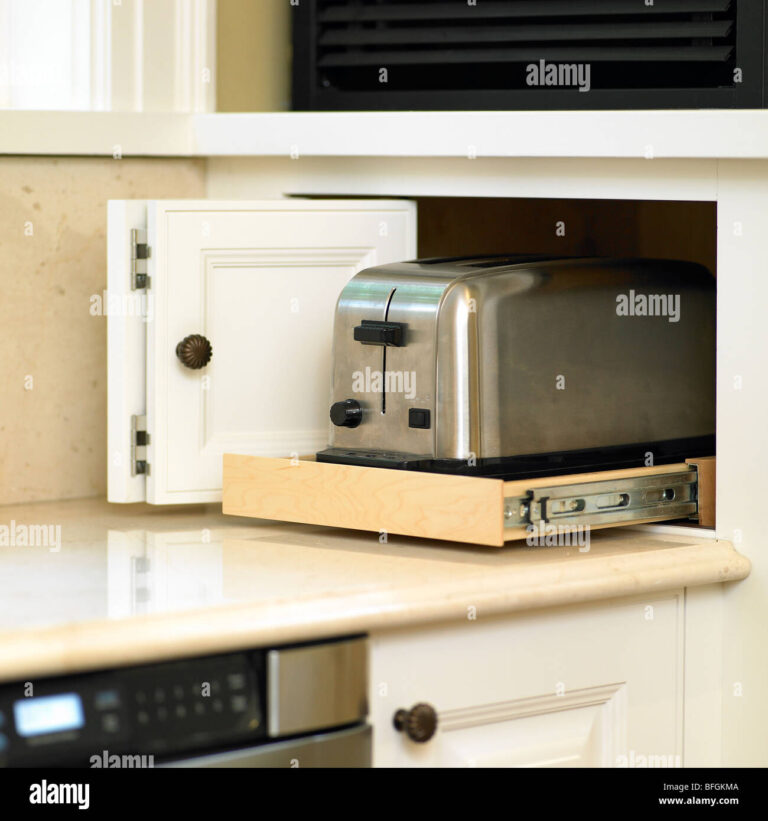
3. Choose a safe location
Place the toaster on a stable, dry, heat-resistant counter. Keep it away from:
- Curtains and paper towels
- Cabinets that sit directly above it
- Water, sinks, and wet surfaces
- Plastic containers
- Stovetops or other hot appliances
Leave open space around the toaster so heat can escape. Do not place anything on top of it while it runs.
4. Plug it directly into a wall outlet
Use a properly installed U.S. wall outlet. Avoid extension cords and power strips unless the manufacturer specifically permits them and the device is rated for the toaster’s power demand.
Make sure the cord does not hang over the counter edge. Keep it away from hot surfaces.
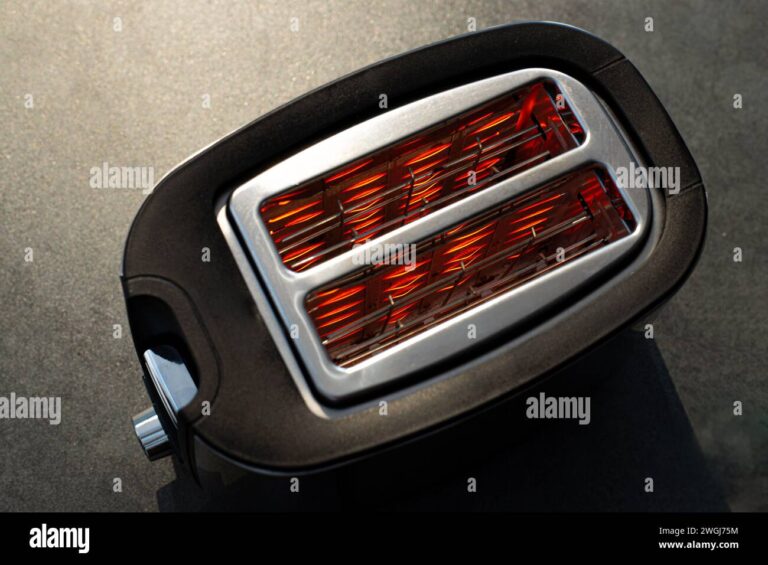
5. Run the first empty cycle
Set the browning control to a medium setting. Lower the lever with no bread in the slots, then allow the cycle to finish.
Stay nearby during this first cycle. A mild odor is common. Light smoke may also appear briefly, but it should decrease rather than grow stronger.
6. Let the toaster cool
Wait several minutes after the cycle ends. If the toaster has a strong odor, you may run one more empty cycle while keeping the area ventilated.
Do not run repeated cycles for a long time. Empty heating cycles produce heat without food in the slots, so unnecessary use adds stress and wastes energy.
7. Test it with one slice of bread
Use a plain slice of bread and select a low or medium setting. Check that the bread lowers, heats, rises, and releases without sticking.
The first food test may toast unevenly. This does not always mean the toaster is defective, but repeated severe scorching, failure to pop up, or uneven heating requires further checking.

How Many Empty Cycles Does a New Toaster Need?
Most new pop-up toasters need one empty cycle and, if the smell remains, one additional cycle. There is no universal number because the materials and instructions differ by model.
Use this simple guide:
| What you notice | What to do |
|---|---|
| No odor or smoke | Begin normal use |
| Mild new-appliance odor | Run one more empty cycle with ventilation |
| Brief, light smoke that fades | Let the toaster cool, then inspect it |
| Strong plastic or electrical smell | Unplug it and stop using it |
| Sparks, flames, or thick smoke | Unplug it if safe and move away from the appliance |
| Smoke during every cycle | Stop use and contact the manufacturer or retailer |
Do not judge safety by smell alone. A faint odor can be normal, but a sharp electrical smell, melting-plastic odor, or hot cord is not something to “burn off.”
What to Do if the Toaster Smokes or Smells Bad
A small amount of light smoke during the first cycle may come from residue on internal parts. Turn the toaster off and unplug it if the smoke is heavy, persistent, or accompanied by a strange sound.
Use this troubleshooting order:
- Turn off the toaster.
- Unplug it if you can do so without touching a hot or damaged cord.
- Move nearby paper, cloth, and other flammable items away if it is safe.
- Allow the toaster to cool completely.
- Check for leftover packaging, crumbs, or a foreign object.
- Read the manual for first-use instructions.
- Contact the manufacturer or retailer if the problem returns.
Never pour water into a toaster. Water can cause electric shock, damage the appliance, or spread a fire.
If flames occur, do not reach into the slots. Unplug the toaster only if you can do it safely. Leave the area and call 911 if the fire does not stop quickly or you cannot safely disconnect the appliance.
The U.S. Consumer Product Safety Commission advises consumers to unplug small appliances when they are not in use and to keep combustible materials away from heat-producing appliances. Follow local fire guidance and the instructions supplied with your toaster.
Common Mistakes to Avoid
Do not put bread in during the first burn-off cycle
The first empty cycle is meant to clear manufacturing odor. Food can absorb the smell and may make it harder to tell whether the toaster is operating normally.
Do not insert a knife or fork
Never use metal utensils to remove stuck bread while the toaster is plugged in. The utensil can contact live electrical parts and cause shock or a short circuit.
Unplug the toaster and let it cool. If the bread will not come out safely, replace or service the toaster.
Do not clean the slots with water
Unplug the toaster before cleaning. Empty the crumb tray over a trash can and wipe the outside with a slightly damp cloth if the manual allows it.
Keep water away from the slots and internal parts. Do not spray cleaner into the toaster.
Do not cover the toaster
A towel, lid, or cloth placed over a warm toaster can trap heat and may ignite. Store the toaster only after it has cooled fully.
Do not toast unsuitable items
Use ordinary bread products that fit the slots. Avoid items with loose coatings, leaking fillings, foil, or excessive butter unless the manual specifically permits them.
Frozen waffles, pastries, and thick foods may require special care. Follow the food package and toaster instructions.

How to Tell Whether the Toaster Is Ready
Your toaster is ready for normal use when:
- It completes a cycle without unusual noise.
- The lever stays down and releases as designed.
- The bread rises without sticking.
- The odor is mild or gone.
- There is no visible sparking.
- The plug and cord remain cool or only slightly warm.
- The outside does not become unusually hot in areas not designed to heat.
Some warmth is normal. A hot plug, discolored outlet, crackling sound, repeated tripped breaker, or burning smell is not normal.
If the toaster trips a circuit breaker, do not keep resetting the breaker and trying again. Unplug the toaster and have the appliance and outlet checked if the problem persists.
Toaster Break-In vs. Toaster Oven Burn-Off
A pop-up toaster and a toaster oven are not the same appliance. A toaster oven often has interior coatings, racks, trays, and a larger heating chamber. Its first-use instructions may call for a specific temperature and time.
For a toaster oven:
- Remove all packaging and labels.
- Wash removable parts only as the manual permits.
- Place the oven in a well-ventilated area.
- Use the exact first-use temperature and time in the manual.
- Keep the door and area clear.
- Let the oven cool before cleaning or storing it.
Do not apply pop-up toaster instructions to a toaster oven. Never run a toaster oven empty if the manual says to use a particular setup or accessory.

Maintenance After the First Use
Empty the crumb tray regularly. Crumbs can collect near heating elements and may smoke or ignite.
Unplug the toaster before cleaning or moving it. Shake crumbs out only if the manual permits that method, and never turn the appliance upside down over a sink.
Replace the toaster if it has damaged wiring, a cracked body, repeated electrical faults, melted plastic, or a control that no longer works correctly. A low-cost appliance is not a good candidate for improvised electrical repair.
Key Takeaways
- Run a new pop-up toaster empty once on medium heat.
- Run one more empty cycle only if a mild odor remains.
- Do not use oil, water, metal utensils, or extension cords unless the manual allows them.
- Stop immediately for flames, sparks, strong electrical odor, thick smoke, or a hot plug.
- Use the manufacturer’s instructions for toaster ovens and unusual models.
- Empty the crumb tray often and unplug the toaster before cleaning.
Frequently Asked Questions
Do I need to clean a new toaster before using it?
You should remove all packaging and inspect the toaster first. Empty the crumb tray if it contains loose debris. Do not wash the inside or spray cleaner into the slots.
Is it normal for a new toaster to smell?
A mild odor during the first one or two empty cycles can be normal. A strong plastic, rubber, or electrical smell is a reason to unplug the toaster and contact the manufacturer or seller.
Should I run a new toaster on high?
No. Use a medium setting for the first empty cycle unless the manual gives different instructions. A high setting creates more heat than needed for a basic burn-off.
Can I use bread during the first cycle?
It is better to run the first cycle without bread. This helps prevent food from absorbing the initial manufacturing odor and makes it easier to spot a problem.
How long should I let a new toaster cool?
Let it cool until the outside and plug are no longer hot before moving or cleaning it. The exact time depends on the model, room temperature, and number of cycles.
Conclusion
Breaking in a new toaster is simple: remove the packaging, inspect the appliance, place it in a clear area, run one empty medium cycle, and test it with bread after it cools. A light first-use odor can be normal, but persistent smoke, sparks, a hot cord, or a strong electrical smell means you should stop using the toaster.
Read the manual before the first use, keep the toaster dry and clear of flammable items, and unplug it before cleaning.