How To Throw Away A Toaster In The UK: Easy Guide
If you live in the United States, do not assume that a toaster belongs in your household trash or curbside recycling. U.S. disposal rules vary by state and city, and electrical items may need a local e-waste drop-off. The guide below explains the separate process used in the United Kingdom.
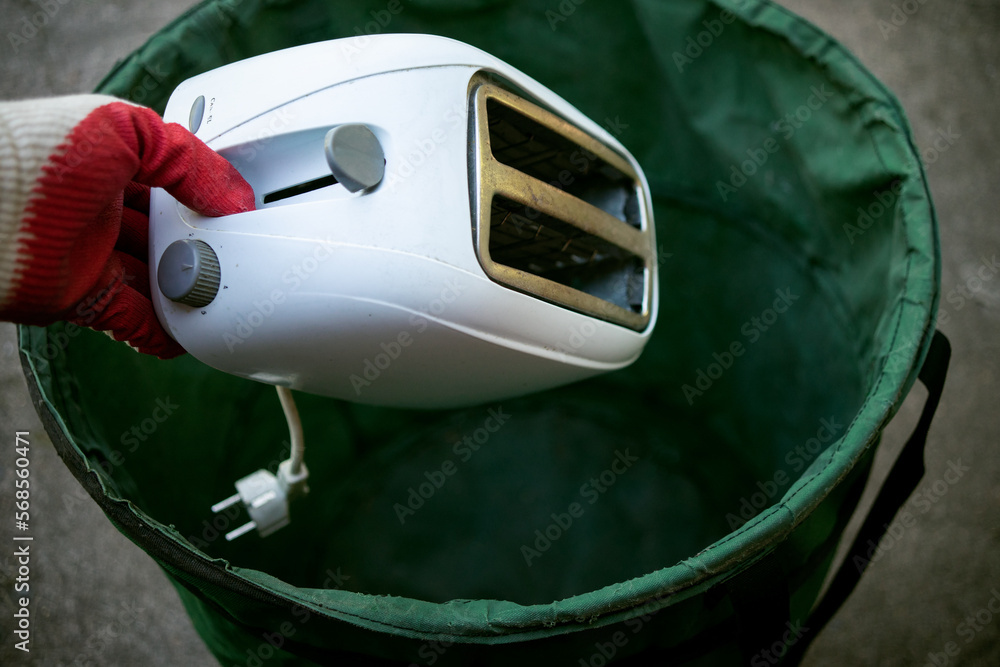
A toaster should normally not go in the general waste bin or household recycling bin. The best option is to reuse, donate, repair, or take it to an approved electrical recycling point. Some councils also collect small electrical items from homes.

Can you put a toaster in the bin in the UK?
No. In most cases, you should not put a toaster in either your general waste bin or your household recycling bin.
A toaster is waste electrical and electronic equipment, often called WEEE. It contains electrical parts, metal, plastic, and a power cable. These materials need a different recycling process from food packaging, paper, and ordinary household waste.
Putting a toaster in a general waste bin can create problems because:
- It may be crushed in a waste collection vehicle.
- Its cable and metal parts can damage sorting or processing equipment.
- Electrical parts may contain substances that require controlled handling.
- Useful metals and other materials may be lost.
- A damaged plug or cable can create a safety risk for workers.
Do not put the toaster in your blue, green, or mixed-recycling bin unless your local council clearly says that it accepts small electrical items there. Most household recycling collections do not accept appliances.
The UK government advises householders to recycle electrical items through suitable collection points or recycling services. You can check local options through GOV.UK’s electrical waste guidance and Recycle Now’s recycling search tool.

The best ways to dispose of a toaster
The right method depends on whether the toaster still works, whether you are buying a replacement, and what services your council provides.
1. Reuse or donate a working toaster
If the toaster works safely, reuse is usually better than recycling it.
You could:
- Give it to a friend, relative, or neighbor.
- Donate it to a charity shop.
- Offer it through a local reuse group.
- Sell it online.
- Ask a community center or housing charity if it needs one.
Before donating it, check that:
- The plug and cable are intact.
- The casing is not cracked or melted.
- The controls work properly.
- It does not produce smoke, sparks, or a burning smell.
- The toaster does not trip a circuit breaker.
- The crumb tray is clean.
Tell the recipient about any known fault. Do not donate an appliance that may be unsafe simply because it still turns on.
2. Use a council household recycling centre
Most local authorities allow residents to take small electrical appliances to a household waste recycling centre, also called a civic amenity site or tip.
A toaster is usually accepted in the small electrical appliance section. Rules differ by council, so check before you travel. Some sites require:
- Proof of address.
- A booking.
- A vehicle permit.
- Separate collection of electrical items.
- Limits on commercial or trade waste.
Search your council website for terms such as:
- “electrical appliance recycling”
- “household recycling centre toaster”
- “small electrical waste”
- “WEEE recycling”
Take the toaster to the marked electrical goods area. Do not leave it beside the entrance or place it in a general waste container if staff have provided a separate point.
3. Use a local small-electrical collection
Some councils collect small electrical goods from the kerbside. This service may use a separate box, bag, caddy, or collection date.
Do not place a toaster out with your normal recycling unless your council gives clear instructions. Some local schemes accept small electrical goods inside a designated container. Others do not accept them at all.
Check:
- Your council’s waste and recycling page.
- The list of accepted items.
- Whether the toaster must be placed in a separate container.
- Whether you must book the collection.
- Whether the service covers your address.
4. Return it to a retailer
Retailers that sell electrical equipment may offer take-back services.
If you buy a replacement toaster, ask the retailer whether it will take the old one. Under UK electrical waste rules, some retailers offer a like-for-like take-back service. This means that buying a new toaster may allow you to return an old toaster of a similar type.
Some large electrical retailers also provide free in-store collection for small electrical items, even when you are not buying a replacement. Eligibility depends on the retailer and store.
Ask these questions before visiting:
- Does this store accept old toasters?
- Do I need to buy a new appliance?
- Is the service available at this branch?
- Are there size or quantity limits?
- Do I need to remove crumbs or packaging?
Retailer services can change, so check the retailer’s current recycling page first.
5. Use an approved electrical waste service
Private waste companies may collect or accept small appliances. Choose a service that clearly explains how it handles electrical waste.
Look for:
- A registered business.
- Clear pricing.
- A stated recycling or reuse route.
- Proper transfer documentation where relevant.
- No request to leave waste in an unsafe public place.
Avoid anyone who offers to take the toaster but cannot explain where it will go. Unlicensed waste disposal can lead to fly-tipping and may prevent the appliance from being recycled properly.

How to prepare a toaster for disposal
Preparing a toaster is simple, but safety comes first.
Step 1: Unplug the toaster
Unplug it from the wall before moving or cleaning it. Pull the plug itself, not the cable.
If the plug, cable, or socket looks damaged, switch off the power at the socket before removing the plug. If you cannot remove it safely, ask a qualified electrician for help.
Step 2: Let it cool
If the toaster was recently used, wait until it is fully cool. Hot crumbs and metal parts can burn you or ignite nearby materials.
Step 3: Remove loose crumbs
Empty the crumb tray over a bin or food-waste container, if available. Shake out loose crumbs only after unplugging and cooling the toaster.
Do not pour water into the toaster. Do not wash it under a tap. Moisture can remain inside and create an electric shock or fire risk.
Step 4: Remove detachable non-electrical parts
You can remove parts such as:
- A crumb tray.
- A removable rack.
- A separate plastic cover.
Keep electrical parts together with the toaster. Do not separate the cable or open the casing unless you are qualified to work on electrical equipment.
Step 5: Protect the plug and cable
Wrap the cable loosely around the appliance or secure it without cutting it. Do not tape a damaged cable and present the toaster as working.
If the toaster has a removable battery, follow the battery recycling instructions for that battery. Most standard toasters do not contain batteries, but some smart or specialist appliances may differ.

Should you repair, donate, or recycle the toaster?
Use this quick decision guide:
| Toaster condition | Best next step |
|---|---|
| Works safely and is clean | Reuse, donate, sell, or give away |
| Has a minor fault and is valuable to repair | Ask a qualified repair service |
| Has a damaged cable, plug, or casing | Stop using it and recycle it |
| Smells of burning or produces sparks | Do not test it again; arrange electrical recycling |
| Does not work and has no repair value | Use a council recycling centre or retailer take-back |
| You are buying a replacement | Ask the retailer about old-appliance take-back |
A toaster that does not heat evenly may have a fault, but a repair may not be cost-effective for a low-cost model. Do not open the casing unless you understand electrical repair and can work safely.
The main sign that disposal was handled correctly is confirmation that the appliance went to a designated reuse, electrical recycling, or approved waste route. A receipt, booking confirmation, or council instruction can help you keep a record.

What not to do with an old toaster
Avoid these common disposal mistakes:
Do not put it in household recycling
The recycling bin is usually designed for items such as cans, cardboard, paper, and approved plastic packaging. A toaster is not packaging and contains electrical components.
Do not put it in general waste unless your council tells you to
Some local waste systems may give specific instructions for certain appliances. Follow your council’s written guidance. Otherwise, use an electrical recycling route.
Do not burn it
Burning a toaster can release harmful fumes and leave sharp metal parts. It is unsafe and may breach local waste rules.
Do not dismantle it for scrap unless you know what you are doing
A toaster contains springs, sharp metal, wiring, heating elements, and electrical parts. Opening it may expose you to cuts or stored heat. Take the complete appliance to an approved collection point instead.
Do not leave it beside a bin
Leaving a toaster beside a public bin or on a pavement is fly-tipping. It may also expose other people to damaged wiring and create a trip hazard.
Do not give away an unsafe appliance
A toaster with a frayed cable, cracked plug, melted casing, smoke damage, or repeated electrical faults should not be donated. Marking it as “free” does not remove the safety risk.

UK rules and local differences
UK electrical waste rules provide a framework for recycling electrical equipment, but the service available to you depends on your local authority and nation.
Local arrangements may differ between:
- England
- Wales
- Scotland
- Northern Ireland
- Individual councils and waste contractors
For example, one council may collect small electrical items with a booked kerbside service, while another may direct residents to a recycling centre. A retailer may offer take-back at one branch but not another.
Use official local sources first:
- England: your local council’s waste and recycling service
- Wales: Natural Resources Wales and your council
- Scotland: Zero Waste Scotland and your council
- Northern Ireland: Northern Ireland Direct and your council
- All UK areas: Recycle Now
The Waste Electrical and Electronic Equipment rules also affect retailers and distributors. The exact take-back duty can depend on the shop’s size, sales area, business model, and the type of service offered. That is why checking the retailer’s current policy is safer than assuming every shop must accept every toaster.

What does toaster recycling involve?
At a recycling facility, the toaster may be sorted with other small electrical appliances. Workers or machines can separate parts such as:
- Ferrous metals, including steel.
- Non-ferrous metals, such as aluminum or copper.
- Plastics.
- Cables.
- Circuit boards.
- Heating components.
The exact process depends on the facility and appliance. Recycling does not mean every part will be recovered. Some materials may be removed for treatment or disposal, while others can enter manufacturing supply chains.
This is why the collection route matters. A toaster placed in the correct electrical waste stream has a better chance of being handled in a controlled process than one placed in mixed household waste.

Frequently asked questions
Can I put a toaster in a black bin in the UK?
Usually, no. Take it to a household recycling centre, retailer take-back point, council electrical collection, or approved electrical waste service instead. Follow your council’s instructions if they state a different local rule.
Can I put a toaster in a recycling bin?
Usually, no. Standard household recycling bins are not designed for electrical appliances. Check your council’s accepted-items list before putting any electrical item out for collection.
Do charity shops accept old toasters?
Some charity shops accept working electrical appliances, but policies vary. Call first and make sure the toaster is clean, complete, and safe. Do not donate a toaster with a damaged cable, plug, or casing.
Can a shop take back my old toaster?
Often, yes, particularly when you buy a similar replacement. Some large retailers also accept small electrical items without a purchase. Ask the shop about its current take-back rules before you travel.
Do I need to remove the cable before recycling a toaster?
No. Keep the toaster and its cable together unless the collection service gives different instructions. Do not cut the cable or dismantle the appliance.
What should I do with a toaster that smells of burning?
Stop using it and unplug it if you can do so safely. Do not test it again or give it away. Arrange collection through a council recycling centre, retailer, or approved electrical waste service.
Final answer: the simplest way to dispose of a toaster
The safest UK method is:
- Unplug and cool the toaster.
- Remove loose crumbs without using water.
- Check your council’s electrical waste guidance.
- Take it to a household recycling centre or approved collection point.
- Alternatively, ask a retailer about take-back when buying a replacement.
- Donate it only if it works safely.
If you are unsure, do not put the toaster in either household bin. Use the Recycle Now item search or contact your local council for the correct disposal route.