What to Do If Rice Cooker Is Not Working? Maintenance Tips for 2026
If your rice cooker is not working, don’t panic or rush to replace it immediately. Most common issues are related to simple power, sensor, or maintenance problems that you can easily troubleshoot and fix at home.
We have all been there. You are ready to sit down for dinner, you have the perfect recipe queued up, and you go to start your trusty rice cooker. You press the button, but nothing happens. No lights, no hum, and certainly no delicious steam rising from the lid. When your rice cooker is not working, it can feel like a major kitchen catastrophe, especially when you are hungry and on a tight schedule.
The good news is that these kitchen workhorses are actually quite simple machines. In 2026, technology has made them more efficient, but the core mechanics remain the same. Most of the time, the solution is something you can manage in five minutes without needing a degree in electrical engineering. Let’s walk through the common reasons why your rice cooker is not working and how you can get it back to its fluffy, perfect rice-making glory.
Key Takeaways
- Check the Basics: Always start by verifying that your power cord is secure and the outlet is functioning before assuming the appliance is broken.
- Sensor Cleanliness: Many rice cookers fail because food debris or water has compromised the thermal sensor at the bottom of the heating plate.
- The Pot Matters: A dented or dirty inner pot prevents proper heat distribution, which is a frequent cause of uncooked or burnt rice.
- Safety First: Never submerge the main body of your rice cooker in water, as this can permanently damage the internal electronic components.
- Know When to Replace: If there is a burning plastic smell or visible damage to the electrical cord, it is safer to recycle the unit than to attempt a repair.
Checking the Power and Connection
The most common reason for a rice cooker not working is actually the simplest: it is just not getting electricity. It sounds obvious, but it happens to the best of us. Start your investigation at the wall and work your way to the machine.
Testing the Outlet
Before you blame the appliance, make sure the outlet is active. Plug a small lamp or your phone charger into the same outlet. If the lamp doesn’t turn on, you likely have a tripped circuit breaker or a faulty GFCI outlet that needs to be reset. If the outlet works, the issue is with the rice cooker itself or the cord.
Inspecting the Power Cord
Look closely at the power cord. In many modern models, the cord is detachable. Sometimes, these cords loosen over time. Unplug it and plug it back in firmly on both ends. If the cord looks frayed, burnt, or cracked, do not try to “patch” it. Safety is the priority here. If the cord is damaged, check if the manufacturer offers a replacement part before deciding to buy a whole new unit.
The Thermal Sensor and Heating Plate
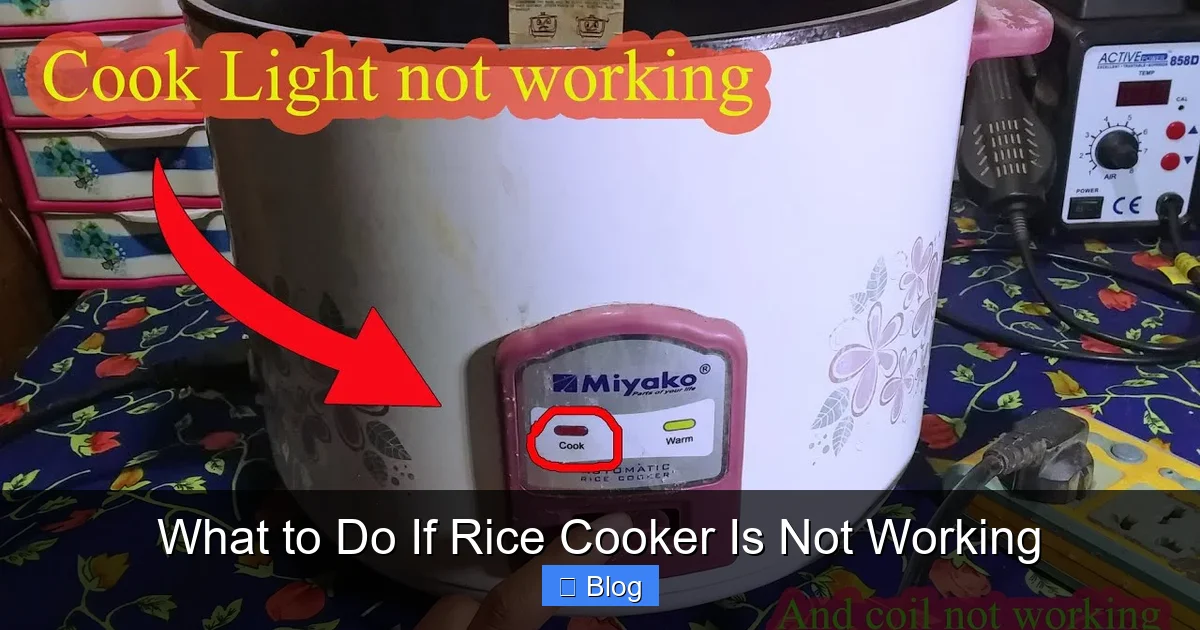
If the device has power but doesn’t seem to be heating, the issue is often found in the heating chamber. The center of your rice cooker contains a small, spring-loaded thermal sensor. This sensor is designed to detect the temperature of the inner pot. If it gets stuck or covered in grime, the machine won’t know that it needs to start cooking.
Visual guide about What to Do If Rice Cooker Is Not Working
Image source: i.ytimg.com
Cleaning the Sensor
Over time, bits of rice, starch, or accidental spills can harden on the heating plate. This creates an insulating layer that prevents the sensor from touching the bottom of the pot. Gently clean the center sensor and the surrounding heating plate with a soft, damp cloth. Avoid using harsh metal scrubbers, as these can scratch the surface and cause uneven heating in the future.
Checking for Obstructions
Sometimes, the spring mechanism under the sensor becomes stuck due to sticky residue. With the unit unplugged, test if the sensor button moves up and down freely. If it feels rigid, use a cotton swab with a tiny amount of rubbing alcohol to gently clean around the base of the spring to release any debris. Once it moves smoothly again, your cooker should be able to register the weight and temperature of the inner pot properly.
Issues with the Inner Pot
The inner pot is the heart of your appliance. If this pot is compromised, the rice cooker is not working effectively. Even a small change in the shape of the pot can cause significant problems with your cooking results.
Identifying Dents
Did you accidentally drop the inner pot? Even a tiny dent at the bottom can ruin the surface contact between the pot and the heating plate. If the pot doesn’t sit perfectly flat, the heat won’t transfer, leading to raw rice on one side and burnt rice on the other. If you see a visible warp or dent, you may need to order a replacement pot, which is much cheaper than buying a new rice cooker.
Cleaning the Exterior
Always dry the bottom of your inner pot before placing it into the unit. If the bottom is wet, it can cause internal shorts or trigger the safety sensors to shut the machine down. Furthermore, if you notice burnt starch stuck to the bottom of the pot, scrub it off. A clean, smooth bottom is essential for the heat sensors to read the temperature accurately.
Troubleshooting Digital Display Errors
Modern rice cookers often come with fancy digital displays. When your rice cooker is not working and the screen shows an error code, it can be confusing. However, these codes are actually helpful breadcrumbs provided by the manufacturer to tell you exactly what is wrong.
Understanding Error Codes
Common codes like “E1” or “E2” usually point toward a sensor failure. Consult your user manual or search the brand and model number online to see what the specific code means. Often, resetting the unit by unplugging it for ten minutes and plugging it back in clears the temporary software “glitch” that caused the error.
Moisture in the Electronics
Digital rice cookers are sensitive to humidity. If you have been steaming food or if the lid was opened too quickly during a cycle, steam might have entered the internal electronics. If your screen is flickering or showing strange symbols, let the unit air out in a dry room for 24 hours. Sometimes, just removing the internal moisture is all it takes to get the machine back to normal.
Maintenance Tips to Prevent Future Failures
Prevention is always better than a cure. If you take good care of your appliance, it can last for many years. Most people only think about their rice cooker when it fails, but a little bit of love goes a long way.
The Golden Rule of Cleaning
Never, ever submerge the main base of the rice cooker in water. Even if you are frustrated with a sticky mess, stick to wiping it down with a damp towel. Water inside the electrical housing is the fastest way to kill the unit for good. Additionally, make sure to wash the lid and the steam vent regularly. If the steam vent is clogged, pressure builds up, which can trigger safety shut-offs.
Proper Storage
Store your rice cooker in a dry area. If you keep it near the stove, it is likely to collect grease or excessive steam, which can degrade the plastic and electrical components over time. Keep it on a flat, stable surface where it won’t be easily knocked over, protecting both the sensor and the pot from damage.
When to Replace Your Rice Cooker?
There comes a time when troubleshooting is no longer safe. If your rice cooker is not working despite your best efforts, you have to weigh the cost of repairs versus the cost of a new unit. In 2026, many entry-level models are very affordable.
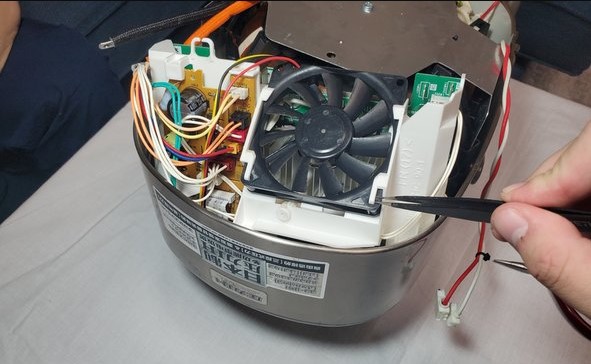
If you smell burning plastic, see smoke, or notice any sparking when you plug it in, stop using it immediately. These are signs of failing internal wiring or a melted housing. Do not attempt to open the case of the machine to fix internal wires yourself unless you are a trained professional; it is not worth the fire risk. At this point, recycle the electronic unit properly at your local waste management facility and upgrade to a new, safer model.
Ultimately, a rice cooker is a simple device that serves a vital purpose in your daily nutrition. By staying calm and following these steps, you can usually solve the problem without much hassle. Remember to check your power sources, keep those sensors clean, and treat your inner pot with care. With these habits, you will be back to enjoying perfectly cooked rice in no time at all.
Frequently Asked Questions
Why is my rice cooker display showing an error code?
An error code usually indicates a sensor glitch or a connection issue. Try unplugging the device for ten minutes to reset the internal software and check your manual to see what the specific code identifies.
Can I fix a dented inner pot?
Generally, you cannot fix a dented pot effectively, as the metal is compromised. It is best to purchase a replacement inner pot to ensure the heat transfers evenly to your rice.
Is it safe to use my rice cooker if the power cord is frayed?
No, you should never use an appliance with a frayed power cord. It poses a significant fire and shock hazard; replace the cord or the entire unit immediately.
Why does my rice cooker turn off before the rice is done?
This is usually caused by a dirty thermal sensor or the wrong amount of water. Clean the heating plate and sensor thoroughly, and ensure the bottom of the pot is dry before starting.
Should I submerge the rice cooker in water to clean it?
Never submerge the base unit in water. This will destroy the internal electronics; only use a damp cloth to wipe the exterior and the heating plate.
How long should a rice cooker last?
With proper care and regular cleaning, a quality rice cooker can easily last between five and ten years. Regular maintenance of the sensors and inner pot is the key to longevity.