Tiger Rice Cooker Not Working [Troubleshooting Power & Electrical Issues]
If you find your Tiger rice cooker not working, start by checking the power supply and cleaning the sensors. Most common issues are simple fixes related to moisture, debris, or a blown fuse that you can resolve at home without needing a professional repair.
There is nothing quite as frustrating as coming home hungry, ready to enjoy a perfect bowl of fluffy white rice, only to discover your Tiger rice cooker not working. We rely on these kitchen workhorses to handle the heavy lifting of meal prep, and when they stop cooperating, it feels like our entire dinner plan has hit a wall. Whether you have an older model passed down through the family or one of the high-tech, multi-menu units released in 2026, the principles of troubleshooting remain remarkably similar.
Before you toss your machine and rush to the store, take a deep breath. Often, when you experience a Tiger rice cooker not working, the problem is not a broken machine but a minor environmental factor. Perhaps a piece of rice is stuck in the sensor, or maybe the plug was bumped. In this guide, we will walk through the most common reasons why your reliable Tiger appliance might be acting up and how you can get it back in action today.
Key Takeaways
- Power Connectivity: Always ensure the detachable power cord is clicked firmly into the base, as loose connections are a primary cause for power failures.
- Error Codes: Modern Tiger models display specific codes; consult your manual to distinguish between sensor glitches and actual hardware failure.
- Cleanliness Matters: Food particles on the bottom heating plate or a dirty sensor can prevent the cooker from detecting the rice, leading to undercooked meals.
- Thermal Fuse: If your cooker shows no signs of life, the internal thermal fuse may have tripped to protect the unit from overheating.
- Proper Rice Ratios: Tiger rice cookers use precision heating; using too little water or incorrect grain-to-water ratios can trigger the dry-boil safety protection.
- Professional Help: If the unit has an electrical burning smell or exposed wiring, stop using it immediately and contact authorized support to avoid fire hazards.
Understanding the Basics of Your Tiger Rice Cooker
Tiger Corporation has built a reputation for longevity and precision. These machines use fuzzy logic technology to adjust cooking temperatures in real-time. When you have a Tiger rice cooker not working, it is usually because the internal “brain” of the device has detected something that prevents it from starting a cycle. This is a safety feature, not necessarily a malfunction.
The Power Connection
The most common culprit is power. Many Tiger models use a magnetic, detachable power cord. If your Tiger rice cooker not working, the first place to look is that connection point at the back or side of the unit. These magnets can lose their grip over time, or they may have been bumped by a cleaning cloth. Push it firmly into place until you hear or feel a solid click.
The Role of the Inner Pot
The inner pot is the heart of the cooking process. It contains the weight sensor at the bottom. If the pot is not seated perfectly flat, or if there is water on the outside of the pot, the machine may fail to engage. Always wipe the exterior of your inner pot completely dry before placing it inside the machine. Even a small drop of water can interfere with the heating element’s connection.
Troubleshooting Power and Electrical Issues
When you plug in your machine and get absolutely no response no display, no lights, no sound you are dealing with an electrical failure. If your Tiger rice cooker not working in this specific way, check your external power sources first. Sometimes, we assume the outlet is working when, in reality, a GFCI breaker in your kitchen might have tripped.
Checking the Wall Outlet
Plug another small appliance, like a blender or hand mixer, into the same outlet. If that item doesn’t turn on, you know the issue is with your home’s electrical circuit, not the rice cooker. Reset your circuit breaker box if necessary.
The Internal Thermal Fuse
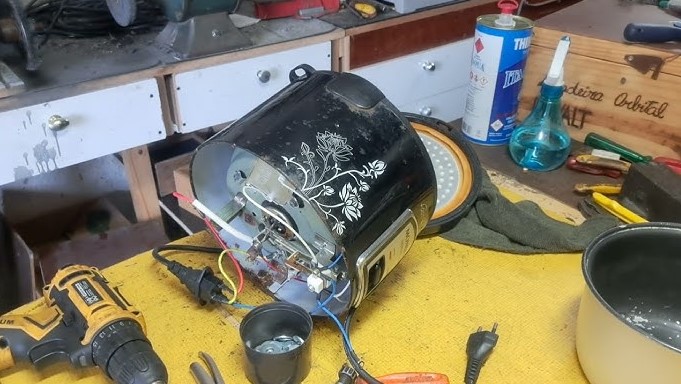
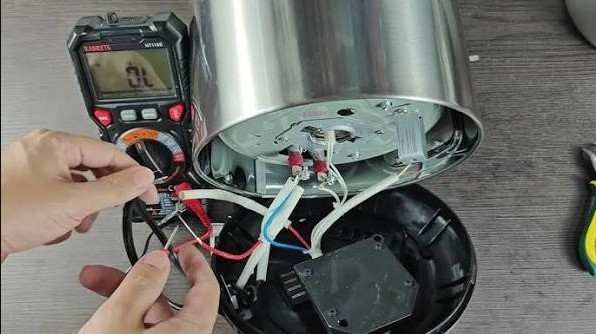
If the outlet is fine, you might have a blown internal thermal fuse. This is a safety component that cuts power if the unit gets dangerously hot. If you notice your Tiger rice cooker not working after a long cooking cycle, it might have overheated. If you suspect a blown fuse, the unit will likely need a professional repair. Do not attempt to bypass this fuse yourself, as it is there to prevent your appliance from starting a fire.
Handling Error Codes and Sensor Glitches
If you see a flashing set of numbers or letters on your digital display, don’t panic. These are error codes. When you see a Tiger rice cooker not working and a screen full of numbers, check your user manual immediately. Common codes often relate to the temperature sensor, which is located in the center of the bottom heating plate.
Cleaning the Heating Plate
Over time, starch, burnt rice, or moisture can build up on the heating plate. Use a soft, damp cloth to clean this area gently. If the sensor is covered in grime, it cannot accurately read the temperature of the pot. When the sensor is confused, the cooker will stop the cycle to prevent burning the rice, resulting in your Tiger rice cooker not working as expected.
The Lid Sensor Problem
Tiger rice cookers rely on a sensor in the lid to ensure the seal is airtight. If your lid is not closing all the way or if the rubber gasket is loose, the machine might display an error. Check the rubber seal inside the lid. If it looks cracked, hardened, or out of place, replace it. A poor seal prevents the pressure needed for perfect rice, causing the machine to give up.
Common Cooking Performance Issues
Sometimes the machine turns on, but the rice comes out crunchy or mushy. If you find your Tiger rice cooker not working to your standard, it is often a matter of calibration or ingredients. Remember that your rice cooker is a precision instrument.
The Importance of Water Ratios
Using the provided measuring cup is non-negotiable. If you use a regular kitchen cup, your ratios will be off. The markers on the inside of the Tiger bowl are calibrated for the specific heating curve of your machine. If you use too little water, the sensor will detect the “dry” state too early and end the cycle, leaving you with hard, undercooked grains.
Starch Build-Up
If you don’t rinse your rice, the extra starch creates a thick foam that can clog the steam vent in the lid. A clogged steam vent can lead to overflow or incorrect pressure readings. Once a month, remove the inner steam cap and wash it thoroughly. If this cap is blocked, your Tiger rice cooker not working may simply be a case of needing a good scrub.
When to Call for Professional Support
There are times when DIY fixes just won’t cut it. If you have tried all the steps above and still face a Tiger rice cooker not working, it may be time to contact an authorized service center. Look for a local appliance repair shop that specializes in Japanese kitchen electronics.
Assessing the Cost of Repair
Before dropping money on a repair, weigh the cost against a new unit. If your machine is more than ten years old, a major electrical issue might cost nearly as much to fix as a brand-new model. However, if the unit is newer, it may still be under a manufacturer’s warranty. Keep your receipt and manual in a safe place to make this process easier.
Avoiding Unofficial Parts
If you need to replace a power cord or an inner pot, always buy genuine Tiger parts. Generic, universal parts often don’t have the correct wattage ratings or dimensions, which can lead to further damage. Using off-brand components is a frequent cause for a Tiger rice cooker not working long-term.
Tips for Maintaining Your Tiger Rice Cooker
The best way to deal with a Tiger rice cooker not working is to prevent the issue before it starts. Consistent, gentle maintenance will extend the life of your appliance by years.
Daily Cleaning Habits
Always wash the inner pot with a soft sponge. Never use steel wool or abrasive brushes, as they will strip the non-stick coating. When the coating starts to peel, rice will stick, burn, and confuse your machine’s sensors. If you have to scrub the pot aggressively, you are damaging the very thing that keeps your rice cooking perfectly.
Ventilation and Placement
Don’t store your rice cooker under low-hanging cabinets where steam can gather. The moisture from the steam can seep into the electronic display and the internal wiring over time. Keep the unit in a well-ventilated area on your counter. This simple change can prevent short circuits and extend the lifespan of the digital display.
Conclusion
Dealing with a Tiger rice cooker not working is certainly a nuisance, but it is rarely the end of the road for your favorite appliance. By keeping the power connection tight, the sensor clean, and the lid gasket in good shape, you solve the vast majority of common issues.
Treat your rice cooker with care, and it will continue to provide you with perfect, restaurant-quality rice for years to come. If you follow these troubleshooting steps, you will likely find your machine is ready to cook your next meal without any further trouble.
Frequently Asked Questions
Why is my rice cooker not turning on at all?
Check if the detachable power cord is firmly pushed into the cooker’s base, as these magnetic connectors can easily loosen. If that is secure, verify the wall outlet is working by plugging another appliance into it.
What should I do if my rice is coming out undercooked?
This is usually caused by incorrect water-to-rice ratios or a dirty temperature sensor at the bottom of the pot. Ensure you use the provided measuring cup and wipe the bottom of the inner pot completely dry before cooking.
Can I fix an error code myself?
Many error codes are triggered by simple issues like an open lid or a dirty sensor. Consult your manual to identify the specific code, then clean the heating plate and ensure the lid is snapped shut securely.
How often should I clean the steam vent?
You should remove and wash the steam vent cap every few uses to prevent starch buildup. A clogged vent can cause the machine to malfunction or overflow during the cooking cycle.
Is it safe to use a third-party power cord?
It is highly recommended to use only original Tiger parts, as third-party cords may not have the correct voltage or safety certifications. Using improper parts can cause electrical shorts or fire hazards.
When is it time to replace my rice cooker?
If the internal wiring is damaged, the display is completely dead after checking all power sources, or if repair costs exceed 50% of a new unit’s price, it is time to upgrade. A well-maintained Tiger cooker should last many years, but internal hardware does eventually wear out.