How Does A Toaster Lock: Simple Guide To Its Mechanism
Introduction
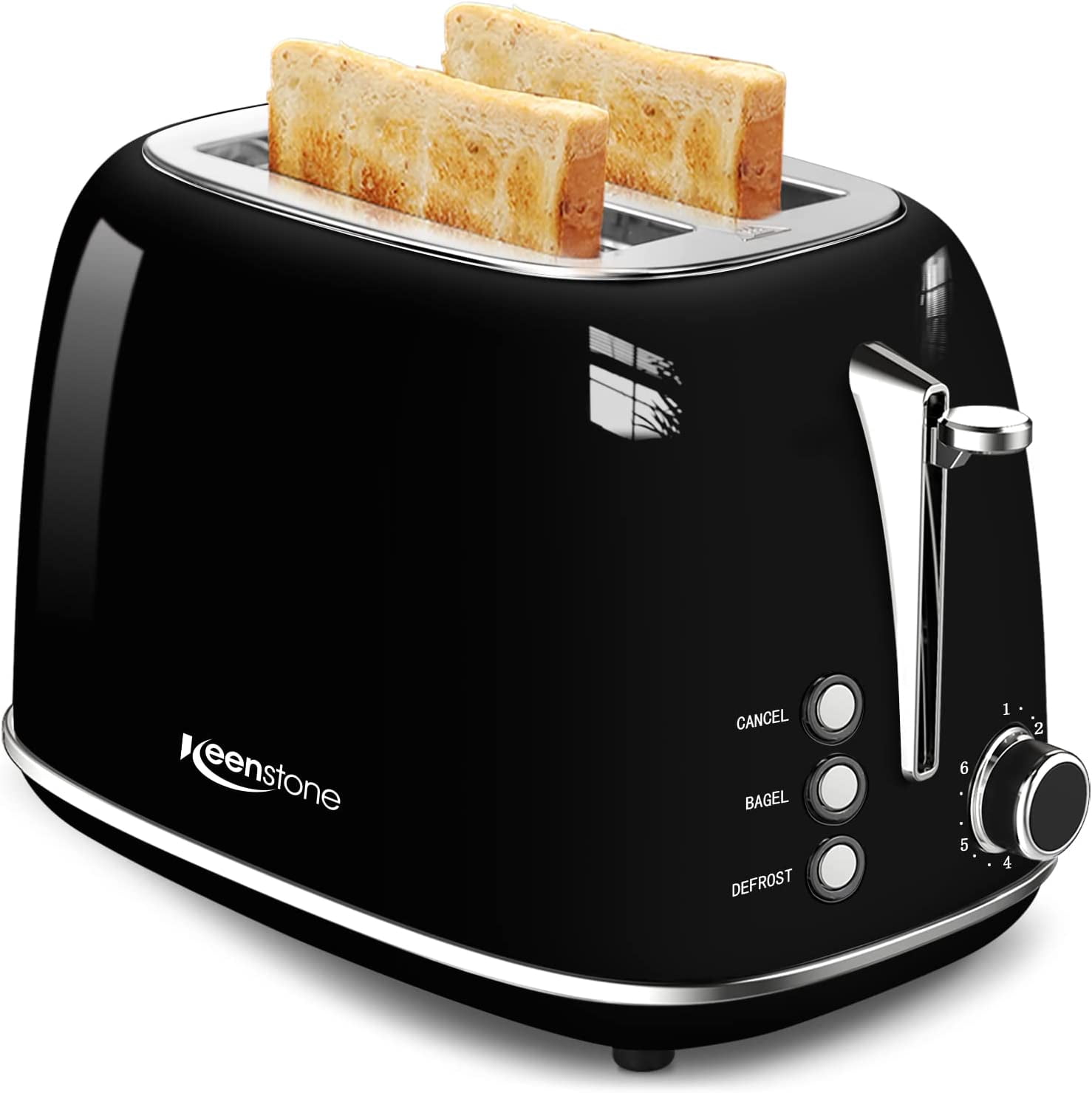
A typical countertop toaster in the United States locks when you press the carriage lever down. The lever moves a small latch into place, while an electromagnet or electronic latch keeps the carriage down during the toast cycle. When the timer ends, power to the holding system stops, the latch releases, and the bread rises.
This system also explains why a toaster may not stay down. If the toaster has no power, the magnet cannot hold the lever. Crumbs, a worn latch, a failed control board, or a damaged power cord can cause the same problem.

What Makes a Toaster Lever Stay Down?
The toaster uses both a mechanical latch and an electrical holding system. These parts work together:
- Carriage lever: Moves the bread rack up and down.
- Latch or catch: Holds the carriage in its lower position.
- Electromagnet or solenoid: Holds the latch in place while the toaster runs.
- Heating elements: Toast the bread.
- Timer, thermostat, or electronic control: Decides when the cycle ends.
- Release mechanism: Lets the carriage rise after power is removed.
When you push the lever down, the bread carriage moves into the toaster. Near the bottom of its travel, a small catch lines up with a hook or slot. At the same time, the control circuit sends power to the electromagnet.
The magnet then holds a metal part of the latch. The lever does not stay down because the magnet pulls the lever itself. Instead, the magnet usually holds a nearby latch or arm that keeps the carriage locked.
This design is common because it provides a simple fail-safe action. If electrical power stops, the magnet releases and the bread should rise rather than remain trapped in a hot toaster.
The role of the electromagnet
An electromagnet creates a magnetic force only while current flows through its coil. In a toaster, that force holds the latch during the selected toast time.
When the timer finishes, the circuit opens. The magnet loses its force, the latch moves away, and a spring pushes the carriage upward.
Some newer toasters use a microcontroller and an electronic relay instead of a simple mechanical timer. The basic result is similar: the control system cuts power to the holding mechanism at the end of the cycle.
How the Toaster Lock Works Step by Step
The locking process usually follows this sequence:
-
You press the lever down.
The carriage lowers the bread between the heating elements. -
The latch reaches its locking position.
A hook, tab, or catch aligns with the carriage mechanism. -
The electrical contacts close.
The lowered carriage allows internal contacts to connect the control circuit. -
The holding magnet receives power.
The magnet attracts the metal latch or arm and keeps it engaged. -
The heating elements turn on.
The toaster begins the browning cycle. -
The timer or electronic controller counts down.
The selected browning setting affects how long the heater remains active. -
The control circuit cuts power.
The heating elements switch off, and the magnet releases. -
A spring raises the carriage.
The toast pops up and the cycle ends.
The heating elements and locking system are related, but they are not always controlled in exactly the same way. A toaster may turn the heaters off before the carriage rises, or it may release both functions nearly at the same time.
Why the lever may not lock without power
Many American household toasters are designed so the lever will not remain down when the toaster is unplugged or switched off at the outlet. This is normal.
The lever may move down for a moment, but without power:
- The electromagnet cannot hold the latch.
- The carriage spring pushes the lever back up.
- The heating elements cannot operate.
- The toaster cannot complete a timed cycle.
Do not try to force the lever down or hold it with an object. That can defeat the toaster’s safety design and create a fire or shock hazard.
Why Does a Toaster Stop Locking?
A toaster that will not stay down has a fault in the power path, latch, control system, or carriage. Check the safest and simplest causes first.
| Symptom | Likely cause | Safe first check |
|---|---|---|
| Lever will not stay down at all | No power or failed outlet | Test the outlet with another appliance |
| Lever works only sometimes | Crumbs, worn latch, or loose internal part | Unplug and clean the crumb tray |
| Lever stays down but does not heat | Failed heating element, control, or internal connection | Stop using the toaster |
| Toast stays down after the cycle | Sticking latch, failed control, or damaged release system | Unplug the toaster immediately |
| Lever feels stiff or rough | Misaligned carriage or debris | Unplug, cool, and inspect external areas |
| Toaster trips a breaker | Short circuit, damaged cord, or internal fault | Do not reset repeatedly; remove from service |
1. Check the outlet and power cord
Confirm that the toaster is plugged into a working wall outlet. In the United States, most small kitchen appliances use a standard household outlet, but the outlet may be controlled by a wall switch or protected by a ground-fault circuit interrupter.
Inspect the cord and plug. Do not use the toaster if you see:
- Cuts or melted insulation
- Exposed wire
- Burn marks
- A loose plug
- A hot or discolored plug
- A damaged grounding pin
The U.S. Consumer Product Safety Commission advises consumers to stop using electrical products with damaged cords and to keep combustible items away from heating appliances. See the CPSC electrical safety guidance.
2. Empty and clean the crumb tray
Unplug the toaster and let it cool fully. Remove the crumb tray if the model has one. Empty it over a trash can and wipe it clean according to the owner’s manual.
Loose crumbs can interfere with the carriage or latch. They can also collect near heating elements and increase the risk of smoke or fire.
Do not shake a toaster over a sink or use water inside the appliance. Never insert a knife, fork, screwdriver, or other metal tool into the slots.
3. Test the lever after cleaning
With the toaster still unplugged and cool, move the lever gently. It should travel smoothly and return upward without grinding, binding, or scraping.
Do not force it. A stiff lever may indicate a bent carriage, a broken spring, or an internal obstruction.
4. Stop if the toaster stays down or overheats
If the carriage remains locked after the cycle, unplug the toaster as soon as it is safe to do so. Do not reach into the slots while the toaster is connected to power.
If the toaster smells like burning plastic, produces unusual sparks, smokes, or trips a circuit breaker, discontinue use. Most inexpensive pop-up toasters are not designed for safe consumer repair, and opening one exposes live electrical parts and sharp metal edges.
Is a Toaster Lock Mechanical or Electronic?
A toaster lock is usually both mechanical and electronic. The mechanical latch physically holds the carriage, while electricity powers the magnet or control that keeps the latch engaged.
Older or simpler models may use:
- A mechanical timer
- A bimetal strip that bends as it heats
- A magnet that releases when the control circuit opens
- A spring-loaded carriage
Newer models may use:
- An electronic timer
- A microcontroller
- A relay or triac to control the heaters
- An electronic sensor or solenoid
- Separate logic for browning and carriage release
A bimetal strip contains two metals that expand at different rates. As it warms, it bends and can open an electrical contact. This creates a timed control action without a digital processor.
An electronic toaster can offer more precise timing or special modes, but it still needs a safe way to release the carriage. The exact design varies by brand and model, so the owner’s manual is the best source for model-specific behavior.
Toaster versus toaster oven
A standard pop-up toaster lowers bread into vertical slots and usually uses a spring-loaded carriage. A toaster oven normally has a hinged door and a rack, so it does not use the same lever-and-magnet lock.
Some toaster ovens have a door latch, timer, or automatic shutoff. Those systems should not be confused with the carriage lock in a pop-up toaster.
How to Use a Toaster Lock Safely
Use the toaster only as the manufacturer instructs. The lock is part of the appliance’s operating and safety system, not a feature to bypass.
Follow these practices:
- Place the toaster on a stable, heat-resistant surface.
- Keep it away from curtains, paper, cabinets, and other flammable items.
- Keep the vents clear.
- Use bread slices that fit freely in the slots.
- Unplug the toaster before cleaning it.
- Let the toaster cool before moving or storing it.
- Remove stuck food only after disconnecting power.
- Keep children away from the lever and hot surfaces.
- Do not use metal utensils to retrieve toast.
- Do not operate the toaster while it is inside a cabinet or enclosed space.
- Do not cover the toaster while it is hot.
The National Fire Protection Association’s cooking safety guidance recommends staying alert while cooking and keeping anything that can burn away from heat sources.
Can you make the lever stay down manually?
No. Do not tape, wedge, tie, or otherwise hold the lever down. Doing so can prevent the toaster from releasing the carriage and may keep the heating elements energized.
A toaster that will not lock may have a minor cleaning issue, but it may also have a failed electrical or mechanical safety part. If basic cleaning and an outlet check do not solve the issue, replace the appliance or have it assessed by a qualified repair professional.
When Should You Replace a Toaster?
Replace the toaster when it shows signs of electrical damage, repeated overheating, smoke, arcing, or a carriage that fails to release. Replacement is also the sensible choice when the toaster has a damaged cord or plug.
Do not rely on a toaster if:
- It locks only when you press the lever unusually hard.
- It releases at random times.
- It continues heating after the toast cycle.
- The body becomes unusually hot.
- It gives off a burning odor.
- It sparks during normal use.
- The breaker trips more than once.
- The slots or carriage are visibly bent.
A toaster is a relatively simple appliance, but its internal parts connect directly to household electrical power. The cost of repair may also approach the cost of a new toaster. The safest choice depends on the damage, the appliance’s age, the availability of replacement parts, and the qualifications of the person doing the work.
Frequently Asked Questions
Why does my toaster lever pop back up?
The lever usually pops back up because the toaster is not receiving power or the electromagnet cannot hold the latch. Check the outlet, plug, cord, and crumb tray. If the problem continues, the latch, control board, magnet, or internal wiring may be defective.
Why does my toaster stay down but not heat?
This can happen when the toaster has power but a heating element, relay, thermal fuse, control board, or internal connection has failed. Unplug the toaster and do not continue using it if the lever stays down without producing heat.
Why does my toaster not release the bread?
A stuck latch, crumb buildup, failed timer, or damaged control circuit can prevent release. Disconnect power first. If the bread remains trapped while the toaster is hot, wait for it to cool before attempting removal and do not use metal tools.
Does a toaster use a magnet to hold the lever?
Many pop-up toasters use an electromagnet or a similar electrically controlled holding device. However, the exact design differs by model. Some use electronic controls, solenoids, or other latch systems.
Can I repair a toaster that will not lock?
Basic external cleaning and an outlet check are reasonable first steps. Internal repair should be left to a qualified professional because the toaster contains exposed electrical connections, heating elements, sharp metal parts, and safety controls.
Why does the toaster release before the toast looks done?
The browning setting controls the cycle time, but results also depend on bread moisture, slice thickness, starting temperature, and the toaster’s condition. If the toaster releases much earlier than usual, its timer or control system may be failing.
Conclusion
A toaster locks through a small mechanical catch controlled by an electromagnet, solenoid, timer, or electronic circuit. Pressing the lever closes the latch and starts the cycle. When the timer ends, the control system removes power, the latch releases, and a spring raises the bread.
If the lever will not stay down, begin with the outlet, power cord, and crumb tray. If the toaster overheats, sparks, smells burnt, trips a breaker, or fails to release, unplug it and stop using it. Never force or bypass the lock, because that mechanism helps control both heating and automatic release.