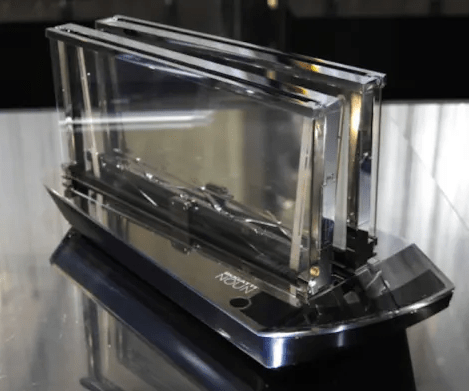
How Much Does A Glass Toaster Cost: Price Guide
Introduction
In the United States, a glass toaster usually costs about $50 to $300. Basic models with a clear viewing window often cost $50 to $100. Premium transparent toasters with glass sides, digital controls, or smart cooking settings may cost $150 to $300 or more.
The price depends on what “glass toaster” means. Some models have a small glass window. Others use heat-resistant glass panels so you can watch the bread toast. A standard toaster oven with a glass door is a different product and often costs $60 to $250.
For most US buyers, a realistic budget is $80 to $180 before sales tax and delivery. Check the product’s voltage, warranty, replacement parts, and cleaning instructions before you buy.

Glass Toaster Price Ranges in the United States
A glass toaster falls into several price groups. The table below gives useful planning ranges for US retail shopping. These are typical ranges, not live prices for a specific store or model.
| Glass toaster type | Typical US price | What you usually get |
|---|---|---|
| Basic toaster with viewing window | $40–$80 | Two slots, simple controls, removable crumb tray |
| Mid-range glass-sided toaster | $80–$150 | Better build quality, wider slots, adjustable browning |
| Premium transparent toaster | $150–$300 | Glass panels, digital controls, special heating programs |
| Designer or limited-production model | $250–$400+ | Distinct design, premium materials, limited availability |
| Toaster oven with glass door | $60–$250 | Larger cooking area and more functions |
| Used or refurbished glass toaster | $25–$150 | Lower price, but condition and warranty vary |
A low price does not always mean poor performance. It may mean the toaster has only a small viewing window rather than a full glass body. A higher price may pay for design, controls, materials, or a harder-to-find model rather than faster toast.
Sales tax can add several dollars to the total. Delivery may also cost more for imported or specialty products. In the US, a toaster made for another market may need a voltage converter, which is usually not a good solution for a high-power heating appliance.
What Makes a Glass Toaster More Expensive?
The glass design is only one part of the cost. The heating system, controls, materials, brand, and supply chain can affect the final price.
Glass panels and heat-resistant materials
A true transparent toaster may use heat-resistant glass around the bread chamber. This can cost more than a steel body with a small viewing slot. The glass must tolerate repeated heating and cooling without becoming cloudy, cracking, or separating from its frame.
Some products marketed as “glass toasters” use clear plastic instead. Plastic may reduce the price, but it is not the same as a glass-sided toaster. Read the product specifications carefully.
Digital controls
Premium models may use screens, timers, sensors, or automatic lowering systems. These features can raise the price and add more parts that may need repair.
A digital display can make settings easier to read. It does not prove that the toaster will brown bread more evenly. Look for clear information about the heating elements and warranty instead of paying only for a screen.
Slot size and bread compatibility
Wide slots usually cost more than narrow slots. They are useful for thick bread, bagels, English muffins, and some pastries.
Check both the slot width and slot length. A toaster may have wide slots but still be too short for large slices of artisan bread. If a slice sticks out, the top may brown more than the bottom.
Construction and finish
Stainless steel, heavy metal parts, firm levers, and stable feet can increase the price. A strong crumb tray and well-fitted glass panels may also improve daily use.
The outer finish is not the same as the internal build. A shiny toaster can still have light controls or weak springs. If possible, inspect customer photos and the return policy before ordering.
Brand and availability
Specialty glass toasters are made in smaller quantities than common two- and four-slice toasters. This can make them harder to find and more expensive.
Import costs, limited US distribution, and replacement-part availability also affect price. A model that costs $120 may be a better long-term value than a $90 model with no US support.
How Much Should You Budget for a Glass Toaster?
For most shoppers, $100 to $150 is the practical middle range. This budget can cover a well-built toaster with a viewing feature, adjustable browning, and basic safety functions.
Use the following guide:
- Under $60: Choose only if you want a simple viewing window and accept fewer features.
- $60 to $100: A reasonable range for a basic glass-view toaster.
- $100 to $180: Often the best balance of design, controls, and build quality.
- $180 to $300: Consider this range for premium materials, unusual designs, or advanced controls.
- Over $300: Buy only when the design, warranty, or specific function clearly matters to you.
A simple cost calculation can prevent surprises:
Total cost = listed price + shipping + sales tax + accessories − discounts
Example cost calculation
Suppose a glass toaster costs $129.99. Shipping is $9.99, and the local sales tax is 8%.
- Product price: $129.99
- Shipping: $9.99
- Subtotal: $139.98
- Estimated sales tax: $11.20
- Estimated total: $151.18
This is a hypothetical example. The exact tax depends on the buyer’s US state and local tax rules.
Do not forget the cost of suitable accessories. A toaster may need a separate sandwich rack, bagel cage, or cleaning brush. Only use accessories approved by the manufacturer. Loose metal parts can create a shock or fire risk.
Is a Glass Toaster Worth the Extra Cost?
A glass toaster can be worth the extra money if you value visibility, design, or a more controlled view of the browning process. It may not be worth it if your main goal is the lowest price or the fastest way to toast bread.
Reasons to pay more
A glass design may help you:
- See the bread while it toasts.
- Stop the cycle before the bread becomes too dark.
- Match the toaster to a modern kitchen.
- Toast thicker slices in models with wide slots.
- Use a distinctive appliance that is not common in most kitchens.
The main practical benefit is visibility. You can watch the toast rather than guessing from a numbered dial.
Reasons to choose a cheaper toaster
A regular toaster may be the better choice if you:
- Toast only once or twice each day.
- Need a simple two-slice model.
- Want easy access to replacement parts.
- Prefer a familiar design with fewer electronic parts.
- Have a small budget.
- Need a model that is easy to replace.
A standard stainless-steel toaster can often meet the same basic cooking need for less money. The glass feature is mainly a design and control benefit, not a requirement for making toast.
A useful value test
Ask three questions before buying:
- Will I use the viewing feature often?
- Does the model have a US warranty and support?
- Does the price include better functions, or mostly a different appearance?
If the answer to the third question is “mostly appearance,” compare the model with a normal toaster in the $40 to $80 range. The difference may be better spent on a wider slot, stronger controls, or a longer warranty.
What to Check Before Buying a Glass Toaster
Price should be only one part of the decision. A glass toaster must fit your kitchen, bread, power supply, and cleaning habits.
Confirm the US voltage and plug
Most US household appliances use 120 volts. Buy a model designed for the US market unless a qualified professional confirms that the appliance is suitable for your electrical system.
Do not assume that a plug adapter changes voltage. It does not. Avoid using a converter with a high-wattage heating appliance unless the manufacturer and a qualified electrician confirm that the setup is safe.
Check the slot dimensions
Look for:
- Slot width
- Slot length
- Number of slots
- Maximum bread thickness
- Bagel setting
- Ability to lift small slices safely
A toaster that cannot hold your usual bread is poor value at any price.
Review the warranty
A good warranty can reduce the financial risk of a premium appliance. Check:
- Warranty length
- Coverage for glass panels
- Coverage for heating elements
- Who pays return shipping
- Whether the warranty applies in the United States
- Availability of replacement parts
Some warranties exclude accidental damage. Glass may be treated differently from the electronic or heating parts.
Inspect cleaning instructions
Bread crumbs collect near heating elements. A removable crumb tray makes routine cleaning easier.
Before buying, confirm whether the glass panels can be wiped safely and whether the manufacturer warns against disassembly. Never put a toaster in water. Unplug it and let it cool before cleaning.
Look for safety features
Useful features may include:
- Automatic shutoff
- Cancel button
- Cool-touch surfaces
- Stable feet
- Lift function for small items
- Overheat protection
- A clear crumb tray or easy-clean design
No safety feature removes the need for supervision. Do not leave a toaster running while you sleep or leave the home.
Glass Toaster vs. Toaster Oven: Which Costs Less?
A glass toaster and a toaster oven serve different needs. A glass toaster is made mainly for slices of bread. A toaster oven has a glass door and can often toast, bake, broil, or warm food.
| Feature | Glass toaster | Toaster oven |
|---|---|---|
| Main use | Bread, bagels, English muffins | Toast, reheating, baking, broiling |
| Counter space | Usually smaller | Usually larger |
| Typical price | $50–$300 | $60–$250 |
| Toasting speed | Often faster for a few slices | May take longer to heat |
| Visibility | Through slots or glass panels | Through a front glass door |
| Cleaning | Crumb tray and exterior | Tray, rack, walls, and door |
| Best for | Quick daily toast | Broader cooking tasks |
Choose a glass toaster if you mainly want toast and like watching the browning process. Choose a toaster oven if you want one appliance for toast, leftovers, frozen snacks, and small baking tasks.
A toaster oven may offer more functions for similar money, but it takes more counter space. It may also use more energy for a small batch of toast because it heats a larger chamber.
Common Glass Toaster Buying Mistakes
The most common mistake is paying for the word “glass” without checking what part of the appliance is actually glass.
Avoid these errors:
Assuming every clear panel is real glass
Read the specifications. The product may have a plastic window, a glass door, or decorative glass sides. These designs have different heat and cleaning limits.
Ignoring return costs
Specialty appliances may be sold by importers or marketplace sellers. Return shipping can be expensive. Check the seller’s return terms before purchase.
Buying an imported model without checking power
A toaster designed for a different electrical system may not be safe or suitable in a US kitchen. Confirm the voltage, frequency, plug, and warranty.
Choosing looks over bread fit
A beautiful toaster is not useful if it cannot accept your bread. Measure thick slices if you often buy bakery bread or bagels.
Using metal tools to remove stuck food
Never reach into a plugged-in toaster with a knife, fork, or other metal object. Unplug the toaster first. If the bread does not come out easily after cooling, follow the manual or contact the manufacturer.
Treating cracks as cosmetic damage
Stop using a toaster if its glass is cracked, loose, or damaged. Unplug it and ask the manufacturer about repair or replacement. Do not tape over a damaged panel and continue using the appliance.
Frequently Asked Questions About Glass Toaster Prices
What is the cheapest price for a glass toaster?
The lowest practical US price is often around $40 to $60 for a basic toaster with a viewing window. A true glass-sided or transparent model may cost more, especially when shipping and limited availability are involved.
Why are some glass toasters over $200?
Prices above $200 may reflect premium materials, digital controls, special designs, imported construction, limited availability, or a longer warranty. A high price does not automatically prove better browning or longer life.
Are glass toasters safe?
They can be safe when used as directed and made for the correct US electrical supply. Keep the toaster away from water, never insert metal objects, do not cover it while operating, and stop using it if the glass or cord is damaged.
Does a glass toaster toast better than a regular toaster?
Not necessarily. The glass mainly improves visibility and appearance. Toasting results depend more on heating elements, temperature control, slot design, and the bread itself.
Should I buy a two-slice or four-slice glass toaster?
Buy a two-slice model if you have limited counter space or usually toast for one person. A four-slice toaster can save time for families, but it normally costs more and takes up more room.
Final Recommendation
Plan to spend $80 to $180 for a good glass toaster in the United States. Choose a model below $80 if you only need a simple viewing window. Consider spending more than $180 only when the design, controls, bread capacity, warranty, or US support justifies the difference.
Before buying, verify the 120-volt rating, slot size, glass material, cleaning method, warranty, return policy, and total delivered price. The best value is not always the cheapest glass toaster. It is the model that fits your bread, kitchen, and daily use without adding avoidable repair or safety problems.