

Breville Coffee Maker Not Working? (Simple Fix)
If your Breville coffee maker is not working, you can often restore it with simple maintenance like descaling or checking your water flow. This guide helps you identify common hardware snags and provides easy step-by-step fixes to get your morning coffee routine back on track today.
There is nothing quite like the smell of fresh coffee to start your day. But what happens when you wake up, head to the kitchen, and realize your Breville coffee maker is not working? It feels like the ultimate morning tragedy. You stand there, pressing buttons, hoping for that familiar hum of the pump, only to be met with silence or a blinking light of doom.
Do not worry. Most of the time, when a Breville coffee maker is not working, the solution is much simpler than replacing the whole machine. Whether you are using a sleek Barista Express, a high-end Oracle, or a simple drip brewer, these machines are built to last with a bit of care. Let’s walk through the most common problems and how to get your machine brewing again.
Key Takeaways
- Regular Descaling: Most Breville issues stem from mineral buildup that clogs internal valves.
- Water Pressure: Ensure your water tank is fully seated, as an airlock can prevent the pump from engaging.
- Grind Size Matters: Using coffee grounds that are too fine is the most frequent cause of “no flow” errors in espresso machines.
- Power Cycling: Many software glitches or sensor errors are resolved by performing a full hard reset of the machine.
- Routine Cleaning: Cleaning your shower screen and portafilter prevents bitter flavors and flow restriction.
- Professional Repair: If your machine displays a specific error code, check your manual before attempting internal repairs to avoid voiding your warranty.
Understanding Why Your Breville Coffee Maker Is Not Working
Before we dive into the specific fixes, it helps to understand why these machines stop working. Breville coffee makers are precision tools. They rely on sensors, heating elements, and high-pressure pumps working in perfect harmony. If one part is “off”—even just a bit of calcium buildup—the whole system may shut down to protect itself.
The Power and Connection Check
Start with the basics. It sounds silly, but we often overlook the simplest things. Ensure your machine is plugged into a functional outlet. If the machine has no lights at all, check the GFCI outlet in your kitchen to see if it tripped. If the machine turns on but nothing happens, check the water reservoir. If it is not clicked firmly into place, the sensor will prevent the pump from starting to avoid running it dry.
The Common Airlock Issue
Airlocks are a common reason for a Breville coffee maker not working. This happens when air gets trapped in the pipes, and the pump cannot push water through. You can usually fix this by running the hot water function or carefully lifting and reseating the water tank while the pump is trying to run. This rhythmic motion helps the pump grab the water and push the air out of the system.
Troubleshooting Brewing and Pressure Issues
If your machine is turning on but not producing coffee, the problem is likely related to the flow. Espresso machines need specific pressure to pull a shot. If that pressure is not met, the machine will often stop brewing.

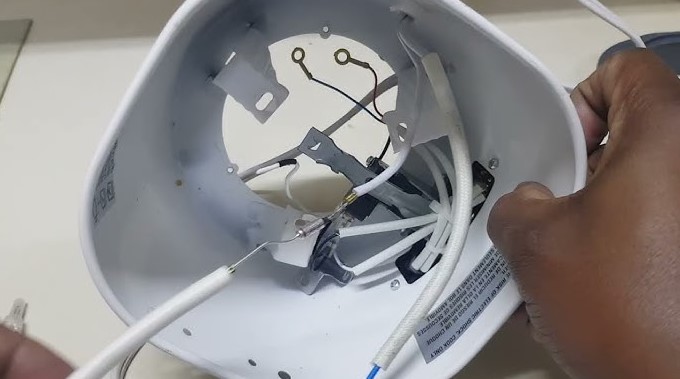
Visual guide about Breville Coffee Maker Not Working
Image source: kaffepals.com
Checking Your Grind Size
If you are using a manual espresso maker, the grind is the most likely culprit. If your coffee grounds are too fine, they pack together like cement. The water cannot force its way through the “puck” of coffee. When the machine detects this blockage, it often halts the process. Try a slightly coarser grind and see if that resolves the issue.
Cleaning the Shower Screen
Over time, coffee oils and grounds get stuck on the shower screen—the little metal mesh where the water comes out. If this is clogged, the water flow will be weak or non-existent. You can usually unscrew this screen with a Phillips head screwdriver. Give it a deep soak in a cleaning solution and scrub away any trapped debris.
The Importance of Descaling
If there is one thing you take away from this guide, let it be this: descaling is the lifeblood of your coffee machine. When a Breville coffee maker is not working, it is frequently because of mineral deposits (scale) from your local water supply.
Why Scale is the Enemy
Water contains minerals. When water is heated, these minerals turn into solid scale. This scale builds up in the internal boiler and the narrow pipes of your machine. Eventually, the pipes become so thin that water can no longer pass through. This can lead to low pressure, cold coffee, or the machine simply stopping mid-brew.
How to Descale Properly
Check your user manual for the specific descaling cycle for your model. Generally, you will fill the reservoir with a mixture of water and a descaling agent (or white vinegar if you are in a pinch). Run the cycle through the group head and the steam wand. This dissolves the minerals and clears the path. If your Breville coffee maker is not working due to low flow, a good descaling is often all it needs.
Handling Pump and Sensor Errors
Sometimes, the “brain” of the machine thinks something is wrong when, in reality, everything is fine. This usually points to a sensor malfunction.
Resetting the Machine
Modern Breville machines are essentially small computers. If the system hangs, a hard reset can work wonders. Unplug your machine from the wall, leave it unplugged for at least ten to fifteen minutes, and then plug it back in. This clears the temporary memory and forces the sensors to recalibrate upon start-up.
When the Pump Fails
If you hear a loud, screeching noise or a very low, labored hum, your pump might be struggling. If you have descaled the machine and checked for blockages but still hear this noise, the pump itself might be failing. In this case, you may need to reach out to Breville support for a repair, as replacing the internal pump is a technical job that requires opening the machine housing.
Tips for Daily Maintenance to Avoid Future Issues
The best way to ensure your Breville coffee maker is working perfectly is to stay ahead of the game. Prevention is always easier than a deep repair.
Daily Rinsing
Always run a short shot of hot water through the group head after you finish your morning coffee. This clears out stray grounds and prevents them from hardening on the shower screen. It takes five seconds but saves you hours of scrubbing later.
Using Filtered Water
If you can, use filtered or bottled water in your machine. This significantly slows down the rate at which scale builds up. If your water is hard, the mineral deposits will form much faster, requiring you to descale more often. Keeping the water quality high keeps the internals clean.
Conclusion: Keeping Your Breville Running
Dealing with a machine that is not working is frustrating, but it is rarely the end of the road for your favorite coffee maker. By keeping an eye on your grind size, staying consistent with your descaling schedule, and ensuring your water tank is properly seated, you can solve the vast majority of common issues at home.
If you have tried these steps and your Breville coffee maker is still not working, do not hesitate to contact Breville customer support. They have a great team that can walk you through advanced diagnostics. With just a little bit of troubleshooting, you will be back to enjoying that perfect cup of coffee in no time. Keep brewing, stay patient, and enjoy the process!
Frequently Asked Questions
Why is my Breville coffee maker showing an error light?
An error light usually indicates a sensor issue or a blockage in the system. Try performing a hard reset by unplugging the machine for 15 minutes, and check that your water tank and portafilter are fully locked in place.
How often should I descale my Breville?
You should descale your machine every 2 to 3 months, or whenever the “Descale” indicator light turns on. If you live in an area with hard water, you may need to descale as often as once a month to prevent build-up.
Can I use vinegar to descale my machine?
Yes, white vinegar can be used to descale, but ensure you dilute it with water and perform several rinse cycles afterward. Always check your specific manual, as some newer models recommend specific cleaning solutions to protect internal components.
What does it mean if my coffee is coming out cold?
Cold coffee usually indicates that the heating element has failed or the machine has not had enough time to warm up. Ensure you allow the machine to preheat for at least 10-15 minutes, and try running a hot water cycle through the group head to warm up the metal parts.
Why is my machine leaking water from the bottom?
Leaking usually happens because the water tank is not seated correctly or a seal has worn out. Inspect the water reservoir base and the drip tray area for cracks or misplaced O-rings.
Is it normal for the pump to be very loud?
A little noise is normal, but a harsh, rattling, or screeching sound suggests the pump is struggling to draw water. This often indicates an airlock or a severe internal blockage that requires immediate descaling or service.



4 Comments