How To Use A Gas Stove Toaster: Easy Guide
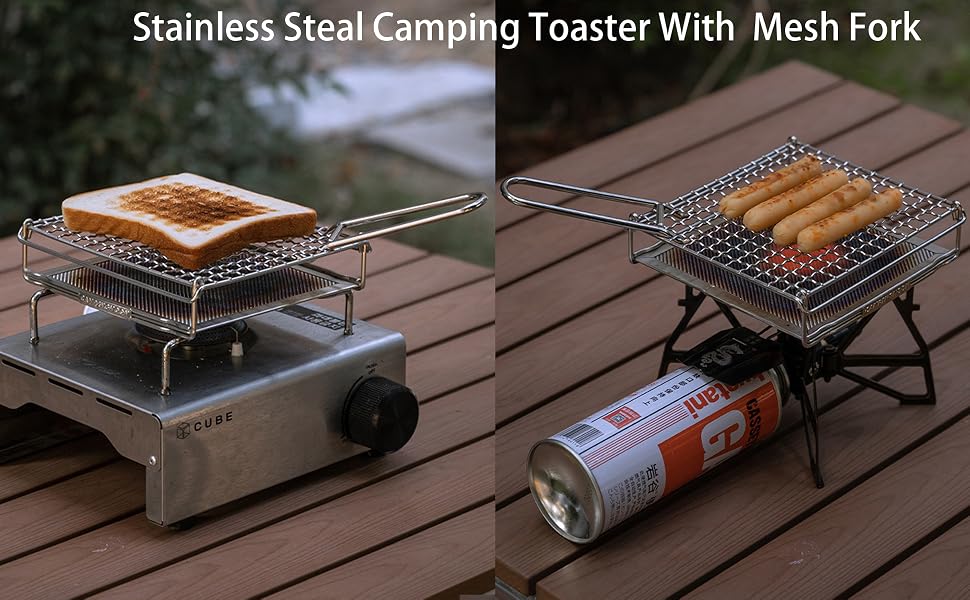
A gas stove toaster is a small rack or mesh device that sits over a gas burner and uses the flame to toast bread. To use one, place it on a stable burner grate, set the flame to low or medium-low, lay dry bread on the rack, and turn the bread often until it reaches the color you want. Stay nearby the entire time, and stop if you see smoke, grease, or an unsafe flame.
This guide applies to gas cooktops and ranges used in the United States. Always follow the instructions for your specific stovetop toaster, since some models sit directly on the burner grate while others require a different setup.

What Is a Gas Stove Toaster?
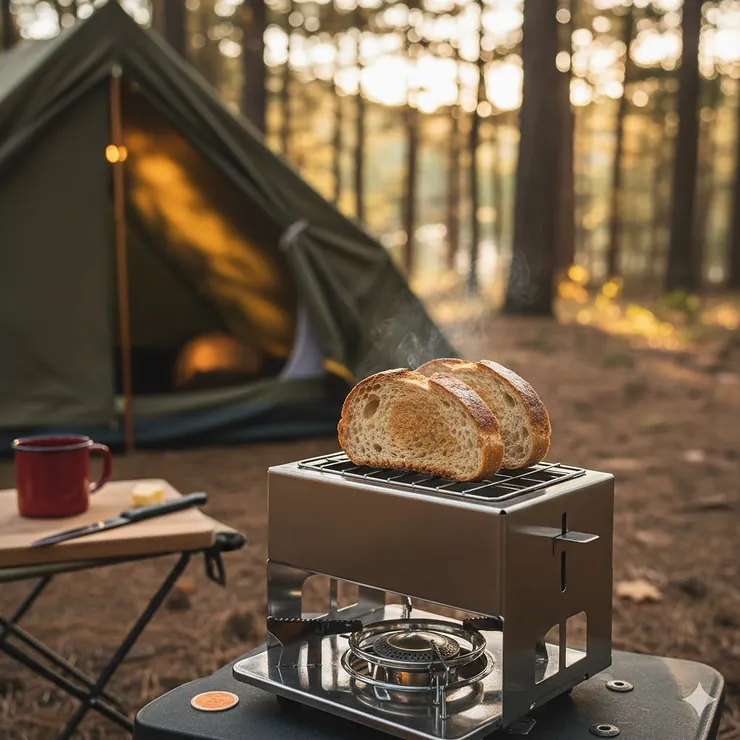
A gas stove toaster is a stovetop bread toaster designed to toast food over a gas flame. It usually has a metal frame, a wire rack, or heat-resistant mesh that holds bread above the burner.
Unlike an electric pop-up toaster, it has no heating coils or power cord. The burner supplies the heat. This makes the tool simple, but it also means the bread is exposed to an open flame.
A gas stove toaster is not the same as a toaster oven. Do not place a standard electric toaster, toaster oven, baking pan, or improvised wire rack over a gas burner. Use only equipment labeled or designed for stovetop gas use.
Before using it, check these points:
- The toaster is made for a gas stove.
- The toaster is stable on the burner grate.
- The metal frame has no loose parts, cracks, or heavy rust.
- The burner ports are clean and unobstructed.
- The area above the stove is clear.
- Your kitchen has working smoke and carbon monoxide alarms.
A gas stove toaster may toast bread quickly because the flame provides direct heat. It may also toast unevenly if the flame is too high, the bread is too close to the burner, or the toaster is not centered.

What You Need Before You Start
Gather the toaster, dry bread, heat-resistant tongs, and a plate. Keep a dry oven mitt nearby if the toaster handle becomes hot.
Use bread that fits securely on the rack. Very thin slices may curl or fall through the openings. Very thick slices may sit too close to the flame or touch the upper frame.
Avoid using:
- Bread covered with butter, oil, cheese, or sugar
- Pastries with filling
- Foods that can drip grease
- Wet dough or uncooked bread
- Oversized slices that hang over the burner
- Paper towels, plastic utensils, or wooden tools near the flame
Butter and oil can drip onto the burner and ignite. Toast the bread first, then add butter or other toppings after removing it from the heat.
Open a window or use the range hood if your kitchen needs more airflow. Never use a gas appliance in a poorly ventilated room. The U.S. Consumer Product Safety Commission advises consumers to install carbon monoxide alarms near sleeping areas and on each level of the home. Follow the alarm maker’s placement instructions.

How to Use a Gas Stove Toaster Step by step
follow this process for a typical stovetop gas toaster. If your product manual gives different instructions, use the manual.
1. Check the burner and toaster
Make sure the burner is off and cool before placing the toaster. Confirm that the burner cap is in its correct position and that the toaster has no loose or damaged parts.
A burner should have a steady blue flame when lit. Yellow tips can occur briefly during ignition, but a persistent yellow, irregular, or noisy flame may signal a burner problem. Turn the burner off and arrange service if the flame does not burn normally.
2. Place the toaster on the correct burner
Set the toaster on a burner grate that supports it evenly. Center it over the burner unless the manufacturer says otherwise.
Do not balance the toaster on a small burner grate or place it where the handle extends over another burner. The toaster must not wobble when you touch it lightly.
If the manual says to remove the grate, follow that instruction exactly. Do not remove a grate unless the product is designed for that setup.
3. Light the burner safely
Turn on the range hood or improve ventilation before lighting the burner. Keep your face, hands, and loose clothing away from the burner.
Use the stove’s normal ignition method. If the burner does not light within a short time, turn the knob off, wait for the gas to clear, and try again according to the range manual. If you smell gas, do not use a flame or electrical switch. Leave the area and contact your gas utility or emergency service from a safe location.
4. Set the flame low or medium-low
Start with a low flame. The flame should heat the toaster without rising far around its sides.
A high flame often burns the outside of the bread before the center becomes crisp. It can also heat the handle, discolor the toaster, or cause crumbs to ignite.
The correct setting depends on the toaster design, burner size, bread thickness, and desired color. Start low and increase the heat only if the bread is not toasting after several turns.
5. Place the bread on the rack
Lay one slice flat on the toaster rack. Keep it centered and away from the burner opening.
Some gas stove toasters have two sides or multiple slots. Use them as the manufacturer shows. Do not force bread into a narrow opening or stack slices on top of one another.
6. Watch the bread and turn it often
Toast the first side for a short time, then check the underside. Use heat-resistant tongs to turn the bread when it begins to brown.
Turn the bread more often if the heat is uneven. Watch the edges because they can darken faster than the center.
A simple pattern works well:
- Toast one side until lightly golden.
- Turn the bread with tongs.
- Toast the second side.
- Turn it again if the color is uneven.
- Remove it when it reaches the preferred shade.
Never leave the stove while the toaster is in use. Bread crumbs can burn or catch fire, especially when the toaster is dirty.
7. Remove the toast and turn off the burner
Use tongs to move the toast to a plate. Turn the burner off before handling or moving the toaster.
Let the toaster cool fully on a heat-safe surface. Do not place it on a countertop, plastic tray, dish towel, or other surface that can scorch.
8. Clean the toaster after it cools
Shake loose crumbs into the trash or clean them as directed by the product manual. Do not pour water onto a hot toaster.
If the toaster has removable parts, wash them only if the manual permits it. Dry every part completely before the next use. Crumbs and grease can create smoke or flames during later use.

How to Get Even Toast Without Burning the Bread
Even toast comes from controlled heat, correct placement, and frequent turning. A low flame gives you more time to watch the color and move the bread before it burns.
Use these adjustments:
| Problem | Likely cause | Safer adjustment |
|---|---|---|
| Bread burns quickly | Flame is too high | Lower the flame and turn the bread sooner |
| Bread stays pale | Flame is too low or the rack is high | Increase heat slightly if the manual allows |
| One side is dark | Uneven burner heat or poor placement | Center the bread and turn it more often |
| Edges burn first | Bread is too close to the flame | Use a lower setting or a suitable larger rack |
| Bread smokes | Crumbs, grease, or toppings are burning | Turn off the burner and let the toaster cool |
| Bread falls through | Slice is too thin or rack openings are too wide | Use thicker bread or a compatible toaster |
| Handle becomes very hot | Heat is reaching the handle | Lower the flame and use tongs or a mitt |
Bread thickness affects the result. Thin sandwich bread can brown fast, while dense or thick-cut bread needs more time at lower heat.
Altitude, indoor airflow, burner size, and the toaster’s distance from the flame can also change cooking speed. There is no single correct timing for every gas stove toaster. Color and smell are better guides than a fixed number of minutes.
For repeatable results, use the same burner, flame level, bread type, and turning pattern each time. Start with a light toast. You can always toast the bread longer, but you cannot undo burnt bread.

Gas Stove Toaster Safety Rules
The main safety rule is simple: treat a gas stove toaster as an open-flame appliance, not as a hands-off toaster.
Follow these rules every time:
- Stay in the kitchen while the burner is on.
- Keep children and pets away from the stove.
- Keep sleeves, towels, paper, and packaging away from the flame.
- Do not use a damaged or unstable toaster.
- Do not put buttered or oily bread over the burner.
- Do not use a gas toaster under a cabinet if the heat can damage it.
- Do not move the toaster while the burner is lit.
- Do not touch the metal frame until it is cool.
- Do not use the toaster on an electric or induction cooktop unless the manufacturer specifically approves it.
- Do not use water on a grease fire.
If bread catches fire, turn off the burner if you can do so safely. Keep the toaster in place, and cover the flames with a metal lid or baking sheet if that action is safe. Do not carry a burning toaster to the sink. Leave the area and call 911 if the fire does not stop at once or begins to spread.
A persistent gas smell requires a different response. Do not light the burner, operate switches, or use a phone inside the suspected gas area. Leave the home and contact the gas utility or emergency services from outside.
The National Fire Protection Association and local fire departments commonly recommend keeping anything that can burn away from cooking equipment and staying present while cooking. A stovetop toaster deserves the same care as any other open-flame cooking tool.

Cleaning and Maintaining a Gas Stove Toaster
Clean the toaster only after it is completely cool. Remove loose crumbs after each use because crumbs can burn during the next session.
Use the cleaning method in the product manual. In general:
- Turn off the burner and let the toaster cool.
- Remove the toaster from the stove.
- Empty crumbs into a trash can.
- Wipe suitable surfaces with a damp cloth.
- Dry the toaster fully.
- Check for rust, warping, loose wires, or sharp edges.
- Store it in a dry place away from grease and moisture.
Do not use abrasive cleaners if they can damage the metal finish. Do not soak a toaster with attached insulation, handles, or parts that the manual says must stay dry.
Inspect the burner area too. Food debris around the burner can affect flame quality. Clean the burner only when it is cool and according to the range manufacturer’s instructions.
Replace the toaster if it becomes unstable, develops severe rust, has a loose handle, or no longer keeps food at a safe distance from the flame. A low-cost tool is not worth using when its position or structure is uncertain.

What to Do If the Gas Stove Toaster Does Not Work Well
Troubleshoot in this order: turn off the burner, let the toaster cool, check the setup, and then try a low-heat test.
The bread burns before it turns crisp
Lower the flame first. Then check whether the bread is too close to the burner or whether the slice is touching a hot metal edge.
If the toaster still burns bread at a low setting, stop using it. The toaster may not match the burner or may be damaged.
The bread does not toast
Confirm that you are using a gas-rated stovetop toaster. Check that the burner lights fully and that the flame reaches the heating surface.
If the flame is normal, increase the setting slightly and turn the bread more slowly. Do not solve slow toasting with a large flame.
The toaster rocks or shifts
Turn off the burner and remove the toaster. Check whether the burner grate is seated correctly and whether the toaster fits the burner.
Do not hold an unstable toaster in place with a pan, foil, or another object. Use a compatible burner or replace the toaster.
The flame is yellow, weak, or uneven
Turn off the burner and allow it to cool. A blocked burner port, incorrectly placed burner cap, or service issue may cause an abnormal flame.
Clean the burner according to the range manual. If the problem continues, contact a qualified appliance technician or your gas utility. Do not modify the burner.
Smoke appears
A small amount of smoke may come from old crumbs, but smoke is a warning sign. Turn off the burner and let the toaster cool.
Clean the toaster and inspect it before using it again. If the smoke came from grease, plastic, a damaged handle, or a part that changed shape, replace the toaster.
You smell gas
Turn the burner knob off if it is safe to do so. Do not create a spark or operate electrical controls. Leave the home and contact the gas utility or emergency services from outside.
Gas Stove Toaster vs. Other Toasting Methods
A gas stove toaster can work well when you want a small, simple tool, but it is not the safest or easiest option for every kitchen.
| Method | Main benefit | Main limitation |
|---|---|---|
| Gas stove toaster | Uses an existing gas burner and needs no outlet | Requires open-flame attention |
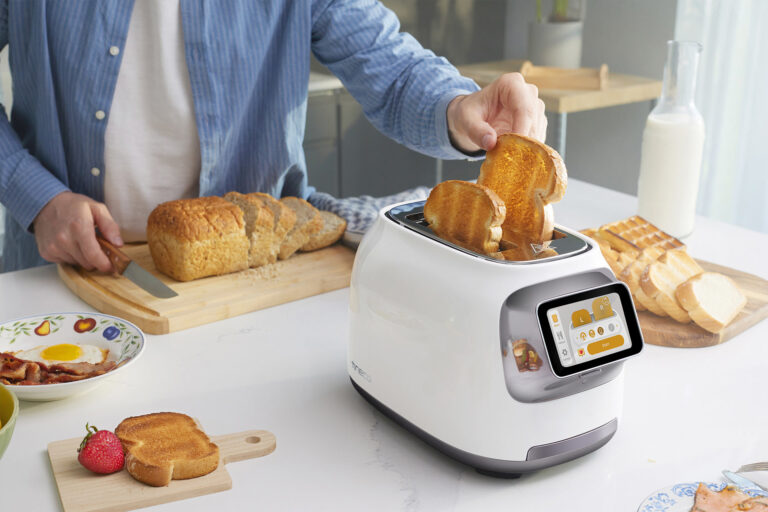
| Electric pop-up toaster | Fast and simple for sliced bread | Needs electricity and may not handle thick foods |
| Toaster oven | Handles more food shapes and can toast several pieces | Uses counter space and electricity |
| Broiler | Toasts food quickly under direct heat | Requires close watching and careful rack placement |
| Skillet | Useful when no toaster is available | Toast may be less even and needs turning |
Choose the gas stove toaster when you have a suitable gas range, a stable compatible toaster, and time to watch the bread. Choose an electric toaster or toaster oven when you want a more controlled, hands-off process—but still follow its safety instructions and never leave heating appliances unattended for long periods.

Frequently Asked Questions
Can you use a gas stove toaster on any gas range?
No. The toaster must fit the burner grate and keep the bread at a safe distance from the flame. Read the product instructions and check that the frame remains stable during use.
Can you use a gas stove toaster on an electric stove?
Only if the manufacturer specifically says it is safe for that cooktop. A product designed for a gas flame may not heat correctly on an electric or induction surface, and it may damage the cooktop.
Should you butter bread before using a gas stove toaster?
No. Butter, oil, cheese, and sweet toppings can drip onto the flame and cause smoke or fire. Toast the bread first, then add toppings.
How high should the flame be?
Begin with a low flame and increase it only when needed. A high flame can burn the bread, overheat the frame, and make control difficult. The correct setting depends on the toaster and burner.
How do you clean crumbs from a gas stove toaster?
Turn off the burner, let the toaster cool, and remove loose crumbs as the manual directs. Do not clean a hot toaster or pour water over it. Replace the unit if grease, rust, or damage makes it unsafe.
Key Takeaways
- Use only a toaster designed for a gas stove.
- Place it securely on the correct burner.
- Start with a low flame.
- Use dry, plain bread without butter or oil.
- Turn the bread often and watch it at all times.
- Turn off the burner before moving the toaster.
- Clean crumbs after the toaster cools.
- Stop using the appliance if it is unstable, damaged, smoky, or exposed to an abnormal flame.
Conclusion
Using a gas stove toaster is simple when the tool fits the burner and you control the heat. Set it on a stable surface, use a low flame, turn the bread often, and stay close until the toast is finished.
The safest next step is to read the toaster’s instructions, inspect its condition, and perform a short test with one plain slice of bread. If the toaster wobbles, smokes, burns food at low heat, or produces an unusual gas flame, stop using it and choose a safer compatible method.