How To Operate A Toaster: Easy Step-By-Step Guide
In a U.S. kitchen, operating a toaster is simple: place bread in the slots, choose a browning level, press the lever down, and wait for the toast to pop up. The key safety rules are just as simple—keep the toaster dry, stay nearby while it runs, and never use a metal object to remove stuck bread.
This guide explains how to use a standard pop-up toaster, toaster with extra settings, and toaster oven. It also covers cleaning, common problems, and when you should stop using the appliance.
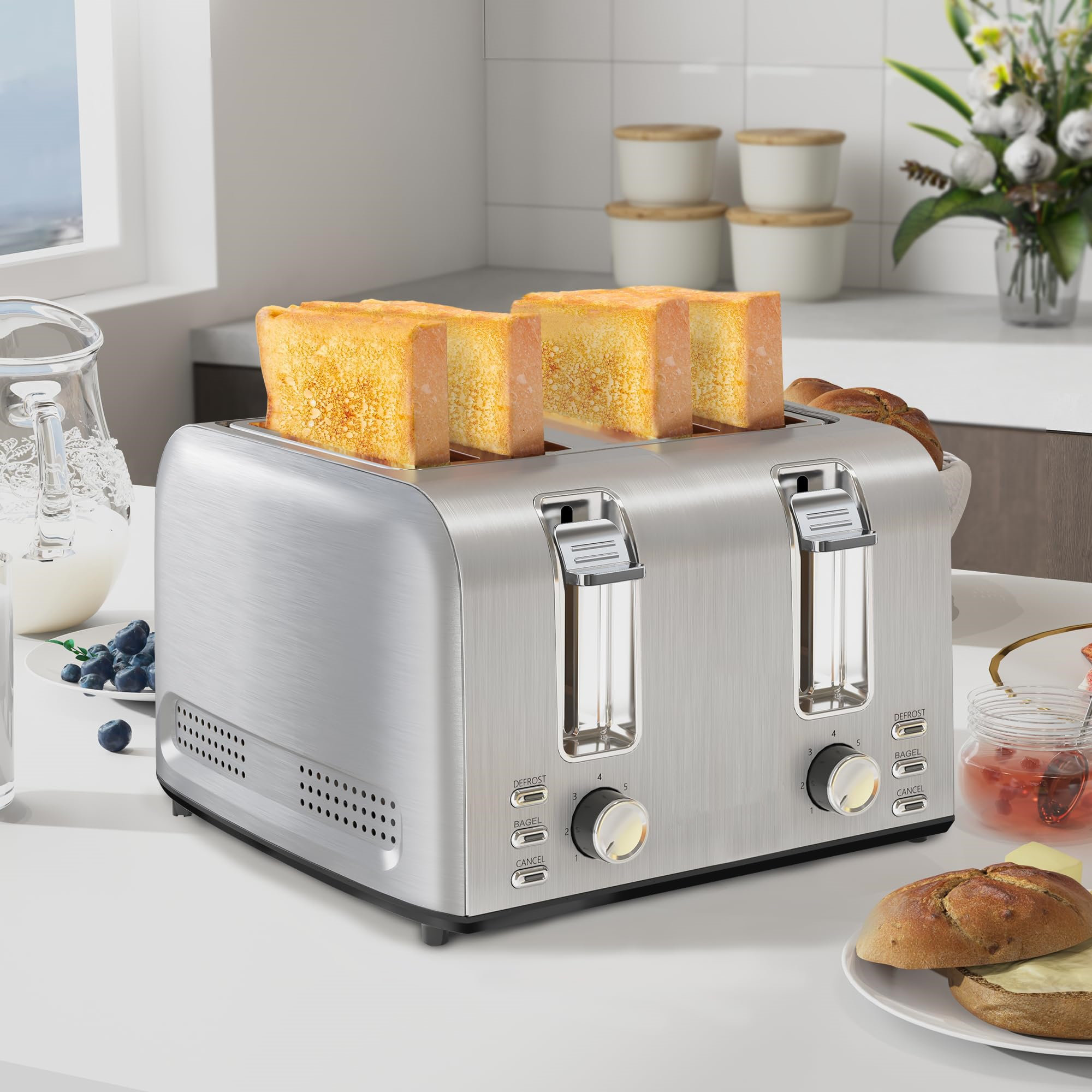
What You Need Before Using a Toaster
Before you operate a toaster, check the appliance, the power cord, and the bread. A quick check can prevent burns, electric shock, and fire.
You need:
- A toaster in good working condition
- A dry, stable counter near a wall outlet
- Bread or another food approved by the toaster manual
- Clean, dry hands
- Enough space around the toaster for heat to escape
Place the toaster on a level, heat-safe surface. Keep it away from the sink, stovetop, curtains, paper towels, and other items that can burn.
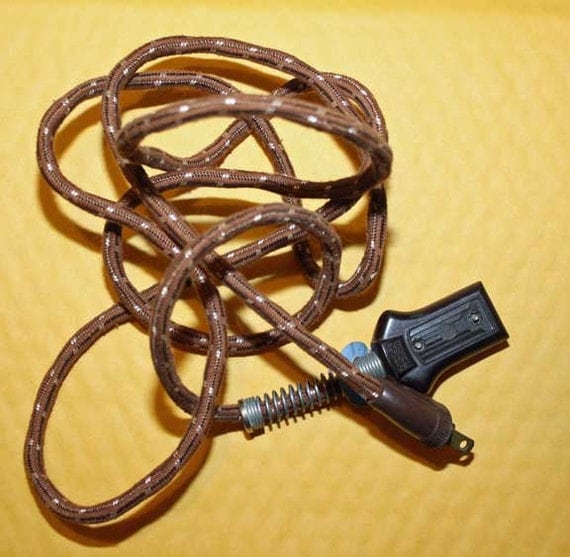
Inspect the cord and plug. Do not use the toaster if the cord is cracked, the plug is loose, or the housing is damaged. If the toaster smells like burning plastic, sparks, or trips a circuit breaker, unplug it and stop using it.
A toaster is designed for dry foods that fit inside the slots. Do not put foods with loose fillings, wet coatings, excessive grease, or large amounts of cheese into a standard pop-up toaster unless the manual clearly allows them.
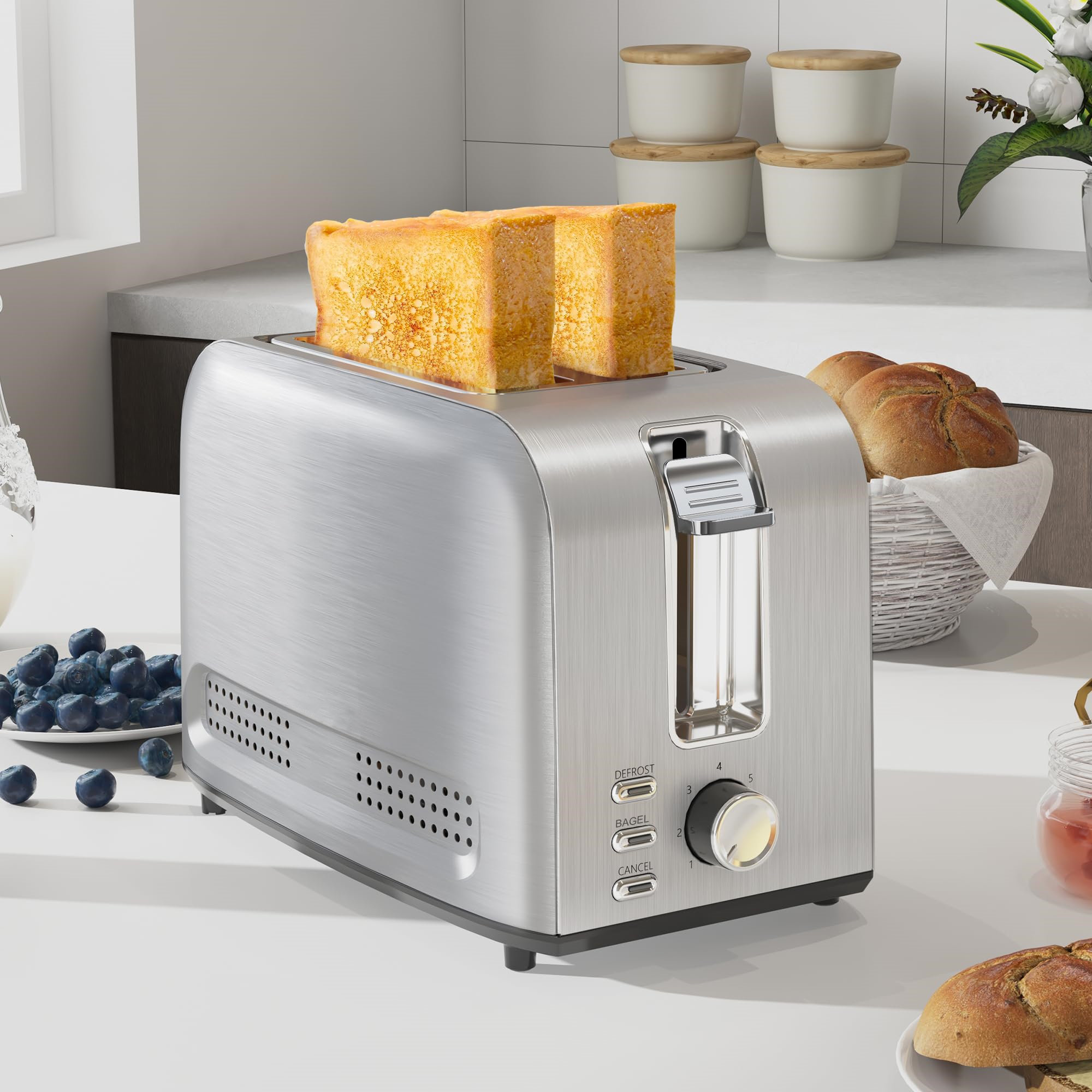
How to Operate a Standard Pop-Up Toaster
Follow these steps to make toast with a standard toaster.
1. Put the toaster in a safe location
Set the toaster on a clean, dry counter. Leave open space above it and around its sides. Heat rises from the slots, so do not place it under low cabinets if the manufacturer warns against that placement.
Plug the toaster directly into a suitable wall outlet unless the manual allows a power strip. Keep the cord away from hot surfaces and areas where people may catch it.
2. Set the browning control
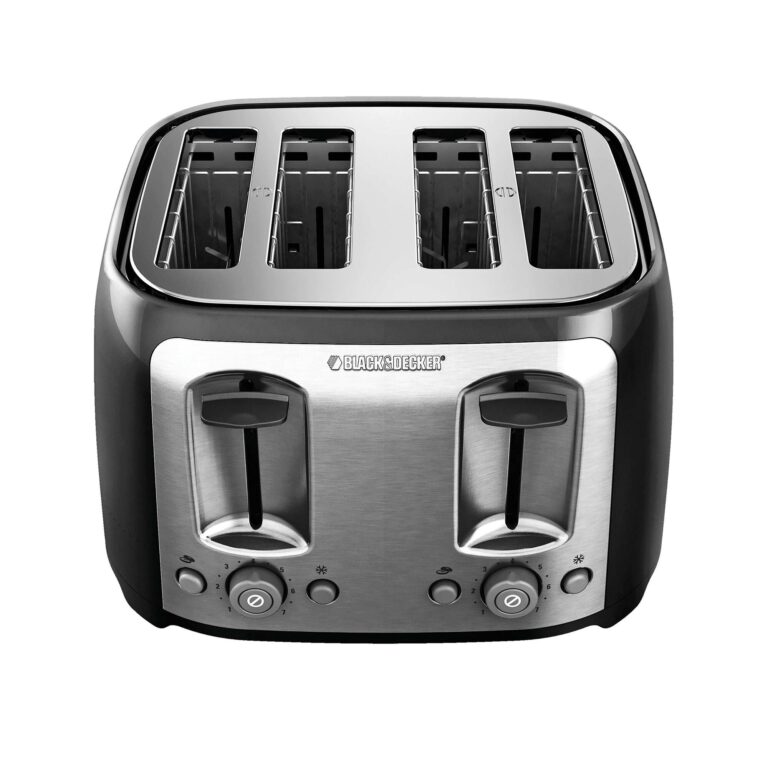
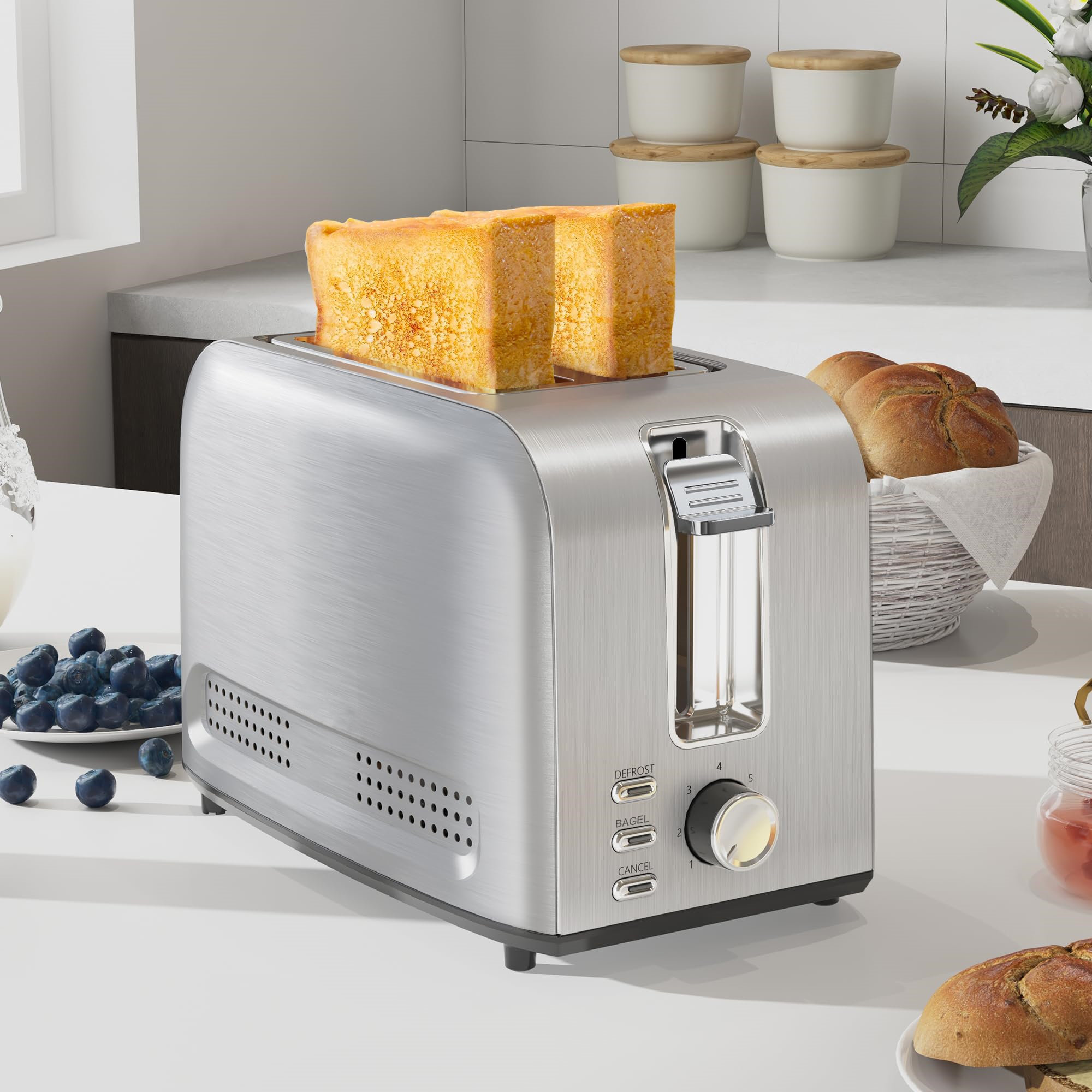
Most toasters have a dial, slider, or buttons marked with numbers. A low number usually produces lighter toast, while a high number usually produces darker toast.
These numbers are time settings, not exact color guarantees. Bread thickness, moisture, sugar, and the toaster's heating elements all affect the result.
For a first attempt, choose a middle setting. You can lower or raise the setting after checking the first slice.
3. Place the bread in the slots
Put one slice of bread into each slot you plan to use. The bread should fit without force.
Do not push thick bread down into the slot. If the bread does not fit easily, use a wider slot, cut the bread to a safe size if appropriate, or use a toaster oven instead.
Keep your fingers above the slots. The heating elements can become very hot during use.
4. Press the lever down
Press the lever down until it locks. On many models, this action starts the heating cycle.
The bread may not stay down if the toaster is not plugged in, the lever is not fully pressed, or the toaster has a fault. Do not hold the lever down by hand. If it will not lock, unplug the toaster and check the manual.
5. Watch the toaster while it runs
stay in the kitchen while the toaster operates. Do not leave it running while you sleep, leave the house, or move far away.
A working toaster may produce heat and a small amount of steam. Smoke, sparks, a strong burning odor, or unusual noise is not normal. If any of these occur, unplug the appliance if you can do so safely and let it cool.
6. Remove the toast after it pops up
The toaster should lift the bread when the cycle ends. Use clean hands or heat-safe tongs to move the toast to a plate.
The toast and nearby metal parts may still be hot. Avoid touching the inside of the slots.
If the toast is too light, let the toaster cool briefly if needed and run another short cycle. If it is too dark, use a lower setting next time.
How To Use Frozen, Bagel, and Reheat Settings
Many modern toasters include special buttons. These settings change the heating cycle, but their names and functions vary by model.
Frozen setting
The frozen setting usually adds time or begins with a defrost stage. To use it:
- Put the frozen bread into the slot.
- Select the desired browning level.
- Press the Frozen or Defrost button.
- Press the lever down.
- Remove the bread when it pops up.
Use this setting only for foods that fit safely in the slots. Do not place large frozen items or foods covered in ice into a standard toaster.
Bagel setting
A bagel setting usually heats the cut side more strongly while reducing heat on the outer side. Place the bagel according to the instructions printed on the toaster or in its manual.
Many models require the cut side to face inward. Others use a different design. Check the markings before starting the cycle.
Never assume every toaster treats bagels the same way. If the bagel is too thick, use a toaster oven.
Reheat setting
The reheat function usually warms bread without starting a full browning cycle. It can help warm toast that has cooled.
Reheat settings are not a substitute for safe food handling. Do not use a toaster to warm foods that need controlled cooking or refrigeration.
Cancel button
Press Cancel when you want to end the cycle early. The bread should rise, although the exact movement depends on the toaster.
Use the cancel button instead of pulling the lever up by force. If the button does not work, unplug the toaster after confirming that you can do so safely.
How To Remove Stuck Bread Safely
If bread becomes stuck, do not reach into the slots while the toaster is plugged in. Do not use a knife, fork, spoon, metal tongs, or any other conductive object.
Use this process:
- Press the cancel button if the toaster has one.
- Unplug the toaster from the wall outlet.
- Let the toaster cool completely.
- Move the toaster to a clear area if needed.
- Turn it upside down over a sink or trash can.
- Shake it gently to release loose crumbs.
- Use a wooden or plastic utensil only if the manual permits it and the toaster is unplugged and cold.
- Stop if the bread will not come out easily.
Do not take apart a toaster unless you are trained and the manufacturer provides a safe service method. A toaster contains electrical parts that can remain hazardous if handled incorrectly.
Replace the toaster if bread repeatedly jams, the lever fails, the elements stay on, or the controls behave unpredictably.
How To Clean and Maintain a Toaster
Clean the crumb tray often. A buildup of dry crumbs can create smoke and increase fire risk.
To clean a standard toaster
- Unplug the toaster.
- Wait until it is fully cool.
- Remove the crumb tray.
- Empty the crumbs into a trash can.
- Wash the tray if the manual allows it.
- Dry the tray fully before replacing it.
- Turn the toaster upside down and shake it gently over a sink or trash can.
- Wipe the outside with a slightly damp cloth.
- Dry the exterior before plugging it in again.
Never submerge a toaster in water. Do not pour water into the slots. Do not spray cleaner into the appliance.
Clean the toaster more often if you use it daily, toast crumbly bread, or notice smoke during normal operation. Always follow the cleaning directions in the owner's manual because some trays are not dishwasher-safe.
Keep the area around the toaster free of paper, plastic bags, and crumbs. Do not store objects on top of a toaster while it is operating or still hot.
Common Toaster Problems and Solutions
Use the table below to identify the safest next step.
| Problem | Possible cause | What to do |
|---|---|---|
| The lever will not stay down | No power, blocked mechanism, or internal fault | Check the outlet and plug. If power is available, unplug the toaster and stop using it. |
| Toast is too dark | Browning setting is too high or cycle is too long | Use a lower setting. Clean the crumb tray and follow the manual. |
| Toast is too light | Browning setting is too low or bread is very cold or moist | Increase the setting slightly or use the frozen setting when appropriate. |
| Bread is stuck | Bread is too thick, misshapen, or lodged in the mechanism | Unplug the toaster, let it cool, and never use metal to remove it. |
| Only one side browns | Uneven heating or a special setting is active | Cancel the cycle, check the setting, and try another cycle. Replace the toaster if the issue continues. |
| The toaster smells smoky | Crumbs, residue, or an electrical fault | Cancel and unplug it. Clean it after cooling. Stop using it if the smell returns. |
| The toaster sparks | Damaged element, foreign object, or electrical failure | Unplug it if safe. Do not use it again until inspected or replaced. |
| The bread pops up too soon | Faulty timer, lever, or control | Try a different outlet only if the toaster shows no damage. Replace it if the problem remains. |
Do not keep resetting a circuit breaker to operate a toaster. A repeated trip can signal an electrical problem with the appliance, outlet, or circuit. A qualified electrician should inspect a suspected household wiring problem.
Toaster Safety Rules for Children and Adults
A toaster can cause burns and electrical injuries even when it looks simple. Use these rules every time:
- Keep children away from the toaster while it is hot.
- Do not place your hand over the slots.
- Do not insert metal objects into the toaster.
- Do not use the toaster near water.
- Do not use it with wet hands.
- Do not cover the toaster while it operates.
- Do not leave it running without supervision.
- Do not toast food wrapped in plastic, foil, or paper unless the manual specifically permits it.
- Do not put buttered bread, foods with loose toppings, or filled pastries into a standard slot toaster unless the manual approves them.
- Unplug the toaster when it is not in use if the manufacturer recommends doing so.
- Keep the cord away from the edge of the counter.
- Replace the toaster after serious damage, overheating, or repeated malfunctions.
The U.S. Consumer Product Safety Commission and the National Fire Protection Association provide general home appliance and fire-safety guidance. The toaster's own manual remains the best source for model-specific settings, food limits, cleaning instructions, and electrical requirements.
When To Use a Toaster Oven Instead
Use a toaster oven when the food is too large, too thick, too wet, or too heavily topped for a pop-up toaster.
A toaster oven is often better for:
- Thick bagels
- Open-faced sandwiches
- Pizza slices
- Pastries with icing or filling
- Foods with cheese or loose toppings
- Large bread slices
- Foods that need a tray
- Items that must be watched while they heat
A toaster oven still needs clearance, ventilation, and supervision. Never block its vents. Use the correct tray or rack, and follow the temperature and food instructions in the manual.
A pop-up toaster is best for quick, dry slices of bread. A toaster oven offers more flexibility but may take longer and use more counter space.
Key Takeaways
- Put the toaster on a dry, clear, stable counter.
- Start with a medium browning setting.
- Use bread that fits without force.
- Press the lever down and stay nearby.
- Use frozen, bagel, and reheat settings only as the manual describes.
- Unplug the toaster before removing stuck food or cleaning it.
- Never use metal tools inside a toaster.
- Stop using the appliance if it sparks, smokes heavily, smells like burning plastic, or repeatedly malfunctions.
Frequently Asked Questions
Should I unplug a toaster after using it?
Unplugging the toaster after use can reduce risk, especially if the appliance has no automatic shutoff or shows signs of damage. Follow the manufacturer's instructions and keep the plug and outlet dry.
Can I put buttered bread in a toaster?
Do not put buttered bread into a standard pop-up toaster unless the owner's manual specifically allows it. Butter can drip onto the heating elements and create smoke or a fire risk. Use a toaster oven for buttered or topped bread.
Why does my toaster smoke?
Smoke may come from crumbs, food residue, or a new appliance coating. Unplug the toaster and let it cool. Clean the crumb tray according to the manual. If smoking continues, or if you smell burning plastic or see sparks, replace the toaster or have it checked by a qualified professional.
Can I use aluminum foil in a toaster?
Do not use aluminum foil in a standard pop-up toaster. Foil can contact electrical parts, block heat, or create a fire and shock hazard. Use a toaster oven only when its manual gives clear instructions for foil use.
How often should I clean a toaster?
Clean the crumb tray whenever it fills and whenever you see loose crumbs building up. Frequent users may need to clean it weekly or more often. Always unplug the toaster and let it cool first.
Conclusion
To operate a toaster, place suitable bread in the slots, select a browning level, press the lever, and wait for the toast to rise. Safe use depends on simple habits: keep the appliance dry, watch it while it runs, clean crumbs regularly, and unplug it before dealing with a jam.
If a toaster sparks, overheats, smells strongly of burning plastic, or repeatedly fails, stop using it. Replacing a faulty toaster is safer than trying to repair an appliance that has an unknown electrical problem.