Breville Rice Cooker Not Working [The Common Reasons]
If your Breville rice cooker is not working, don’t worry, as most common issues are easily resolved with a few simple checks. From power supply interruptions to sensor calibration errors, our guide will help you troubleshoot and restore your appliance to perfect working order in no time.
There is nothing quite as frustrating as coming home after a long day, hungry and ready to eat, only to discover your Breville rice cooker is not working. Whether you are a fan of fluffy jasmine rice or a hearty brown rice blend, these machines are usually the backbone of a stress-free kitchen.
In 2026, our smart kitchens are expected to function flawlessly, so when a high-quality appliance like a Breville suddenly stops responding, it feels like a major disruption to your routine. Before you start looking for a replacement or booking a repair service, take a deep breath.
Often, when a Breville rice cooker is not working, the issue is much smaller than a broken motherboard or a fried heating element. Many users find that a simple reset, a deep cleaning, or checking a loose connection solves the problem immediately. Let’s walk through the common reasons your unit might be acting up and how you can get back to cooking delicious meals.
Key Takeaways
- Power Connection: Always verify your power cable is securely plugged into both the wall outlet and the base of your Breville rice cooker.
- Lid Seal: A loose or dirty lid seal is a frequent culprit when a Breville rice cooker is not working correctly during the pressure cycle.
- Thermal Fuse: Overheating can trip the internal thermal fuse, which acts as a safety barrier to prevent permanent damage to your unit.
- Sensor Errors: Most error codes on the digital display indicate a specific sensor failure that can often be cleared by a hard reset.
- Maintenance: Regular cleaning of the inner pot and heating element is essential to ensure your rice cooker continues to function at its peak in 2026.
Understanding the Power Supply
The most common reason for any appliance to fail is simply a lack of power. It sounds basic, but you would be surprised how often a loose cable is the primary cause. Start by inspecting the cord for any visible fraying or damage that might have occurred over the last few years.
Checking the Wall Outlet
If your unit has no lights on the display, your first step is to verify that the power outlet itself is live. Try plugging another small appliance, like a toaster or a blender, into the same outlet to ensure electricity is flowing. If that appliance doesn’t work either, check your home’s circuit breaker panel to see if a switch has tripped. It is quite common for modern, high-power kitchen appliances to draw enough energy to trip a breaker during a heavy cooking cycle.
The Magnetic Power Cord
Many Breville models feature a magnetic breakaway power cord. This is a great safety feature, but it can be finicky. If the magnetic connection is not perfectly aligned, or if a bit of food debris has blocked the pins, your Breville rice cooker is not working because the circuit cannot complete. Gently wipe the connection points with a dry microfiber cloth and snap the magnetic end back into place firmly.
Troubleshooting Digital Display Errors
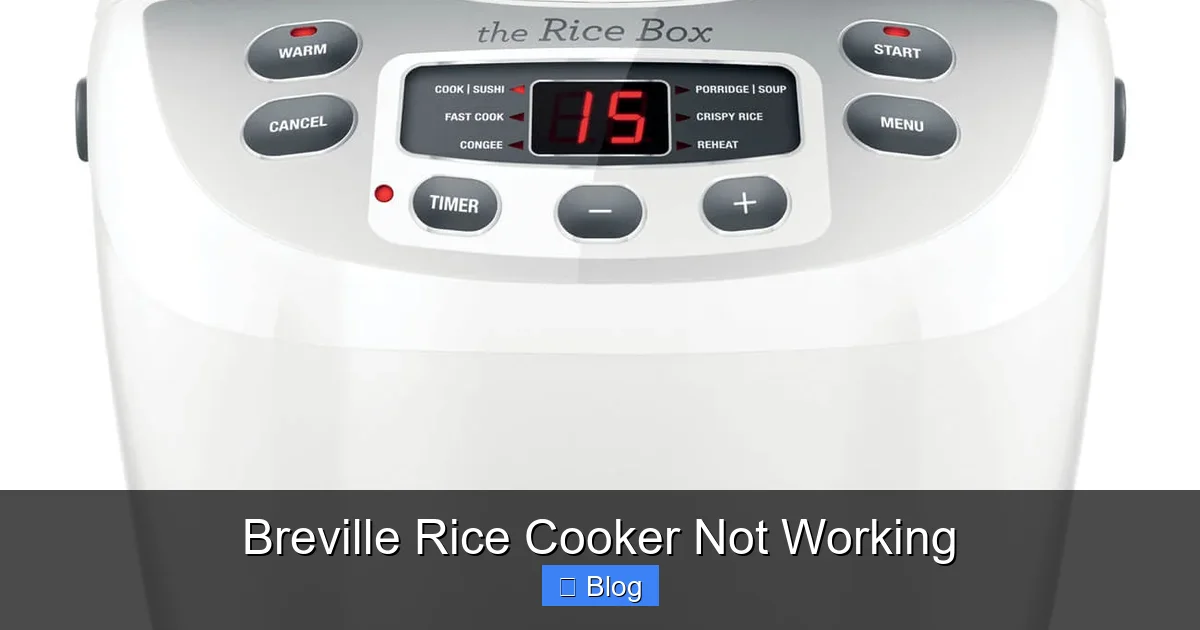
Modern Breville cookers are packed with sensors that monitor internal temperature and pressure. When one of these sensors detects an anomaly, the unit will often stop the cooking process and show an error code on the digital screen. While these codes can look intimidating, they are actually helpful diagnostics provided by the manufacturer.
Visual guide about Breville Rice Cooker Not Working
Image source: breville.com
Decoding Error Codes
If you see a code like E1, E2, or an “Open” or “Closed” warning, it usually relates to the lid sensor or the internal temperature probe. An “Open” error often means the lid isn’t locked into the correct position. Even if it looks closed, double-check that the steam vent is clear and the locking mechanism has clicked fully into place.
If the sensor is clean and the lid is secured, try unplugging the device for ten minutes to perform a hard reset. This allows the internal capacitor to discharge and clears any temporary software glitches.
Sensor Calibration
Over time, residue from starch or minerals in your water can build up around the heating plate sensors. This residue can confuse the computer, making it think the pot is dry when it is not. Gently clean the center heating element with a damp cloth and a drop of mild dish soap, ensuring it is completely dry before you replace the inner bowl.
Common Cooking Performance Issues
Sometimes the machine turns on, but the final result is less than perfect. If your rice is coming out crunchy, mushy, or burnt, your Breville rice cooker is not working as efficiently as it should. This is usually not an electrical fault, but rather a maintenance or usage issue.
Cleaning the Inner Pot and Heating Plate
The relationship between the inner bowl and the heating plate is vital for heat distribution. If there is a layer of burnt rice or baked-on starch on the bottom of your pot, the heat won’t transfer evenly.
This causes the sensors to misread the temperature, leading to undercooked rice in some spots and charred rice in others. Always wash your inner pot with a non-abrasive sponge and ensure the bottom is perfectly dry before placing it back into the base.
Water-to-Rice Ratios
If you have recently moved or changed your water source, the mineral content might affect how your rice cooks. If the machine seems to stop too early, try adding a tiny bit more water. Conversely, if your rice is too soft, reduce the water slightly. Since these machines are calibrated to specific weights and temperatures, using the included measuring cup is highly recommended for consistency.
When Internal Components Fail
If you have tried the steps above and your Breville rice cooker is still not working, there may be an issue with the internal hardware. Breville builds durable appliances, but heavy daily use can take a toll on the internal thermal fuse.
The Thermal Fuse Safety Mechanism
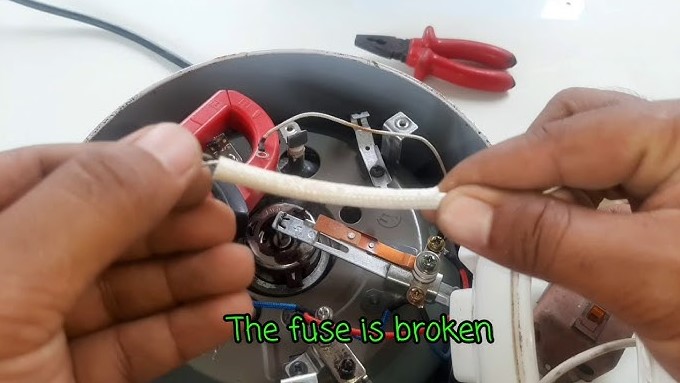
The thermal fuse is designed to blow if the unit gets dangerously hot. This prevents fire hazards. If you suspect the fuse has blown—perhaps there was a smell of hot plastic or the unit died during a long-cooking cycle – it will need to be replaced.
Please note that replacing internal fuses involves opening the unit, which can void your warranty. If your machine is still within the warranty period, contact Breville support immediately rather than attempting a DIY repair.
Checking the Lid Gasket
For pressure-capable rice cookers, the silicone gasket inside the lid is the most important part of the seal. If this gasket is cracked, stretched, or missing, the machine cannot build up the necessary pressure. Check the ring for any signs of wear and tear. Replacing the gasket is an inexpensive way to bring your machine back to its original performance level.
Maintaining Your Appliance for Longevity
Prevention is always better than cure. By incorporating a few simple habits into your kitchen routine, you can prevent the most common reasons why a Breville rice cooker is not working.
Routine Cleaning Tips
After every use, wipe down the exterior base with a damp cloth. Make sure no rice grains have fallen into the bottom of the base, as they can interfere with the sensor springs. Once a month, check the steam vent cap to ensure it is not clogged with starch buildup. Simply pull it off, rinse it under hot water, and let it dry completely before reattaching.
Proper Storage
When not in use, avoid leaving the unit in a damp environment or near a heat source like a toaster or oven. High humidity can cause corrosion on the internal circuit board over time, especially in older models. Keeping the unit in a cool, dry pantry will protect the sensitive electronics and extend the life of your rice cooker well into the future.
When to Seek Professional Help
There comes a point where troubleshooting reaches its limit. If you have checked the power, cleaned the sensors, reset the software, and verified that all seals are intact, it is time to call in the experts. Professional repair centers have access to specific diagnostic tools that can isolate faulty circuit boards or heating elements.
Utilizing the Warranty
Always keep your proof of purchase and original box if possible. If your Breville rice cooker is not working within the warranty period, the manufacturer will often replace or repair the unit at no cost to you. Check the official Breville website for their current 2026 support guidelines to find an authorized service center near you.
Conclusion
A rice cooker is an essential tool for healthy, convenient cooking. While it is certainly annoying to deal with a device that isn’t working, most of the time the fix is something you can manage at home in just a few minutes. By following the tips in this guide, you can confidently address power issues, sensor errors, and performance quirks.
Remember to keep your machine clean, handle the magnetic cords with care, and never hesitate to reach out for professional help if a deeper hardware issue exists. Happy cooking, and may your rice always be perfectly fluffy!
Frequently Asked Questions
Why is my Breville rice cooker display blank?
A blank display usually indicates that the unit is not receiving power. Check your wall outlet with another appliance, and ensure the magnetic power cord is pushed firmly into the base of the rice cooker.
What does an E1 error code mean on my Breville?
An E1 error code typically points to a sensor malfunction, often caused by dirt or moisture on the heating plate. Clean the bottom of the inner pot and the base sensor with a dry cloth, then perform a hard reset by unplugging the unit for 15 minutes.
Can I replace the gasket on my own?
Yes, replacing the silicone lid gasket is a simple user-serviceable task. You can purchase genuine replacement parts from the Breville website and install them by simply peeling out the old ring and pressing the new one into the track.
My rice cooker turns on but won’t start the cycle. What is wrong?
This is often caused by the lid not being fully locked into position or a “pre-heat” sensor detecting a blockage. Ensure the lid is locked, the steam vent is clear, and the inner pot is seated correctly on the base sensor.
Should I leave my rice cooker plugged in when not in use?
It is best practice to unplug your rice cooker when it is not in use for extended periods. This protects the internal electronics from power surges and saves a small amount of standby energy.
How do I know if the thermal fuse has blown?
If the unit suddenly stops working during a cycle and shows no lights or signs of life despite being plugged into a working outlet, the thermal fuse may have tripped. This is a safety component and will require professional repair or replacement of the unit.